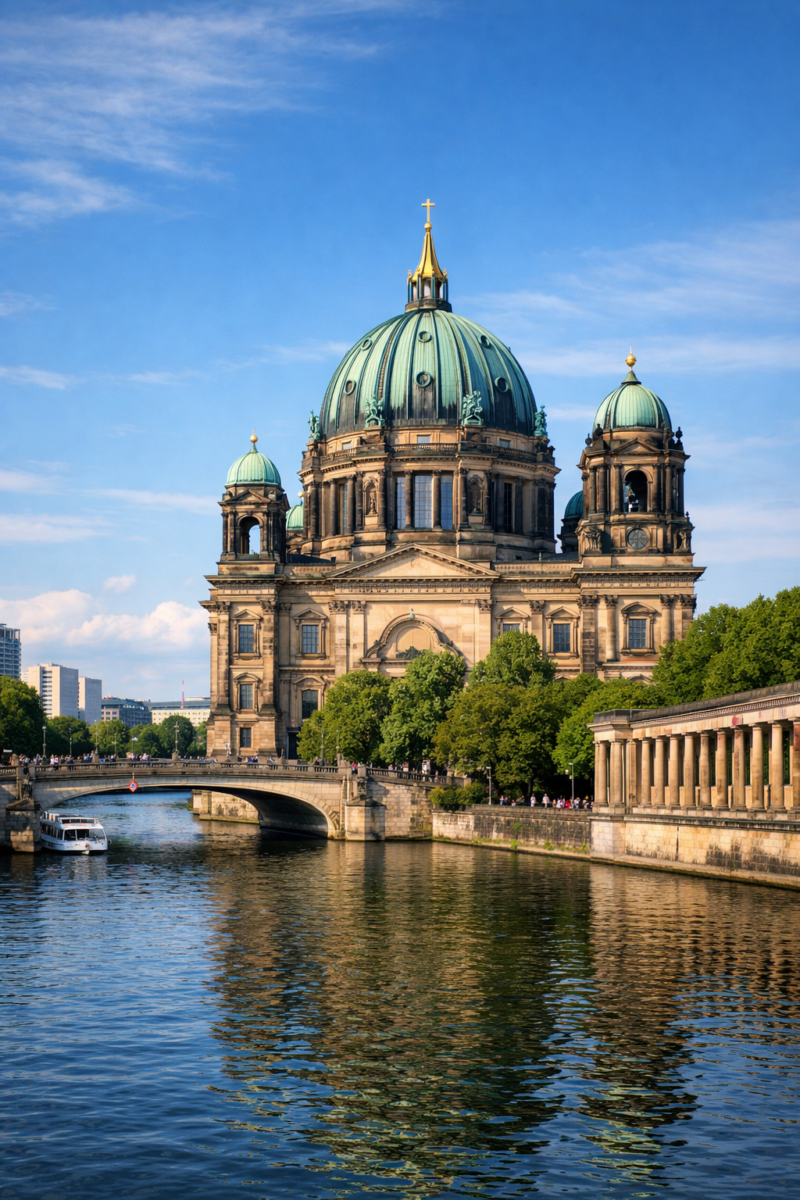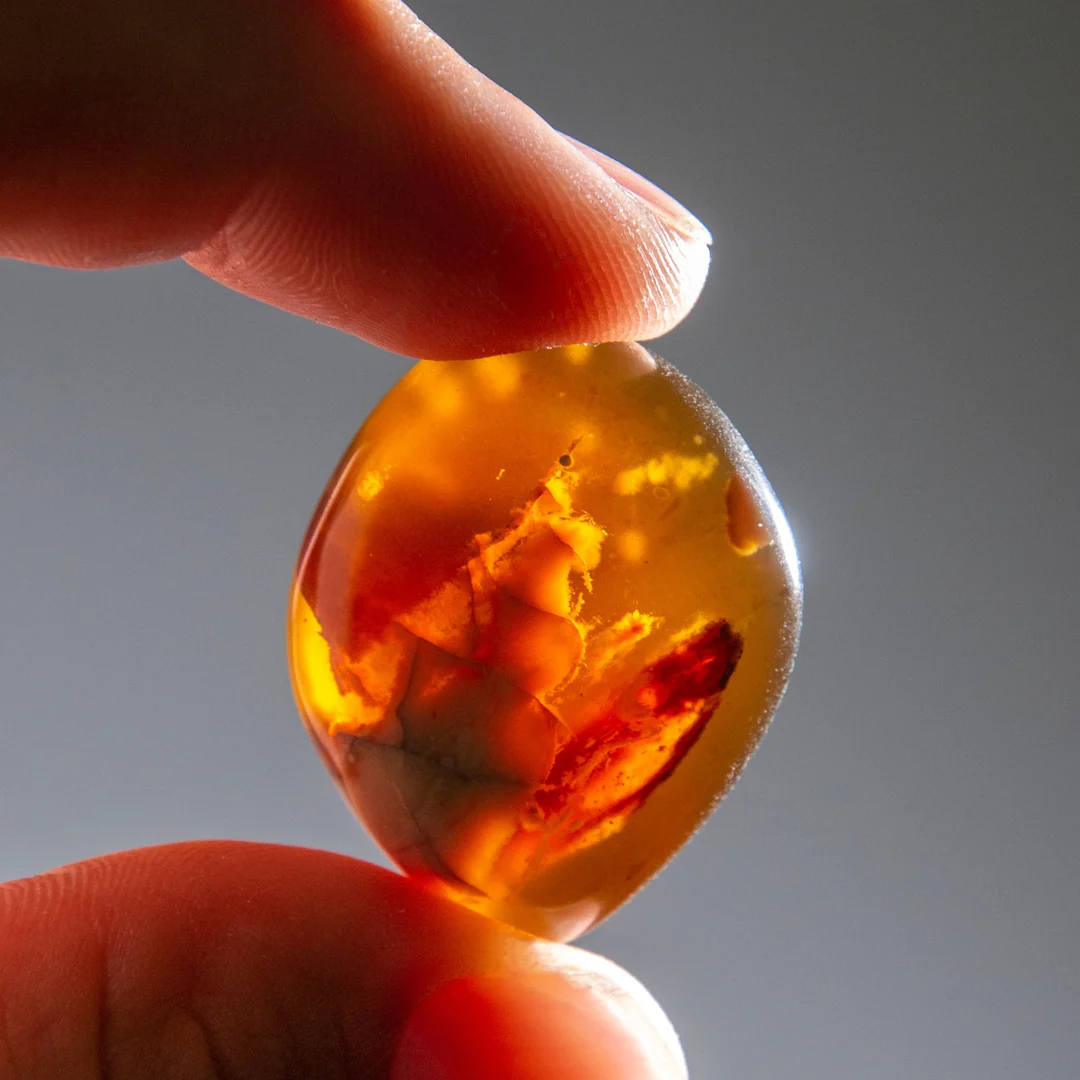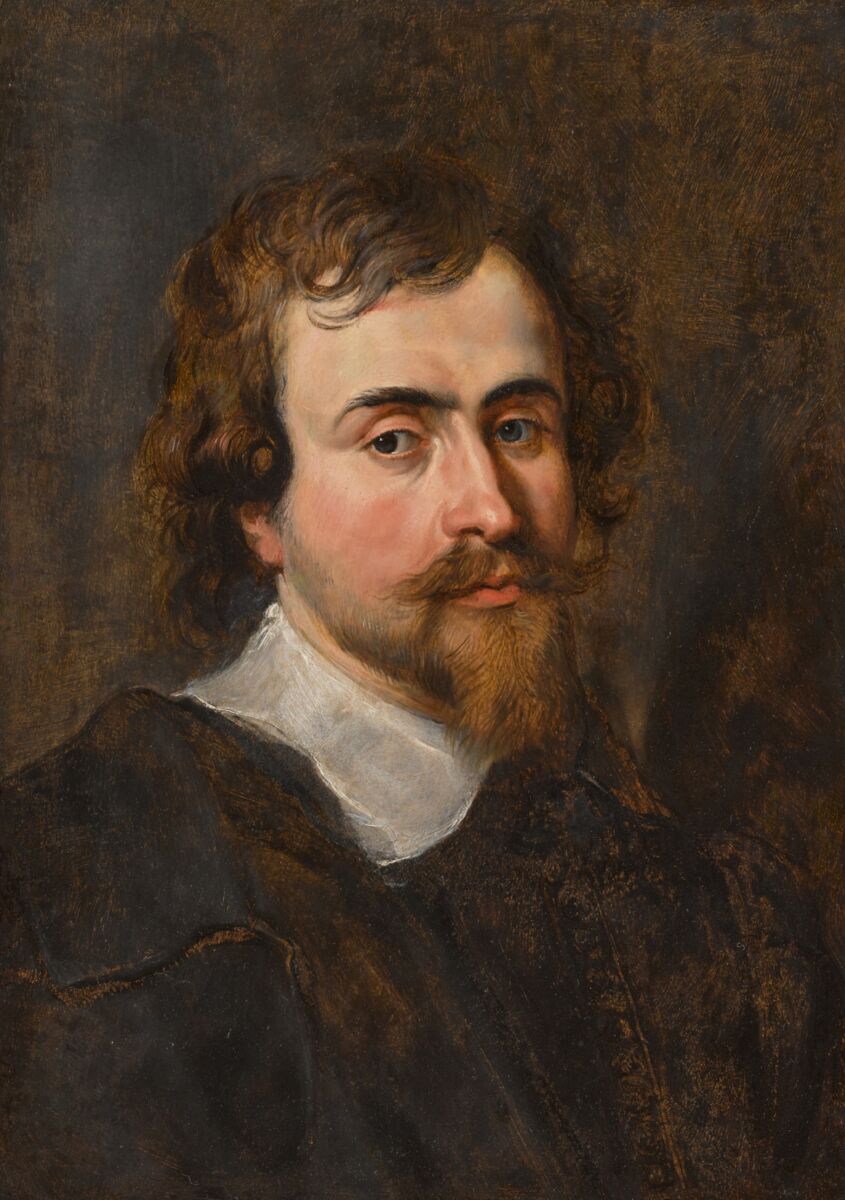
On the banks of the Spree River in the German capital of Berlin stands a…
The journey from inspiration to reality
The Arrival of Inspiration: The Lightest, the Gentlest, Yet Profoundly Influencing
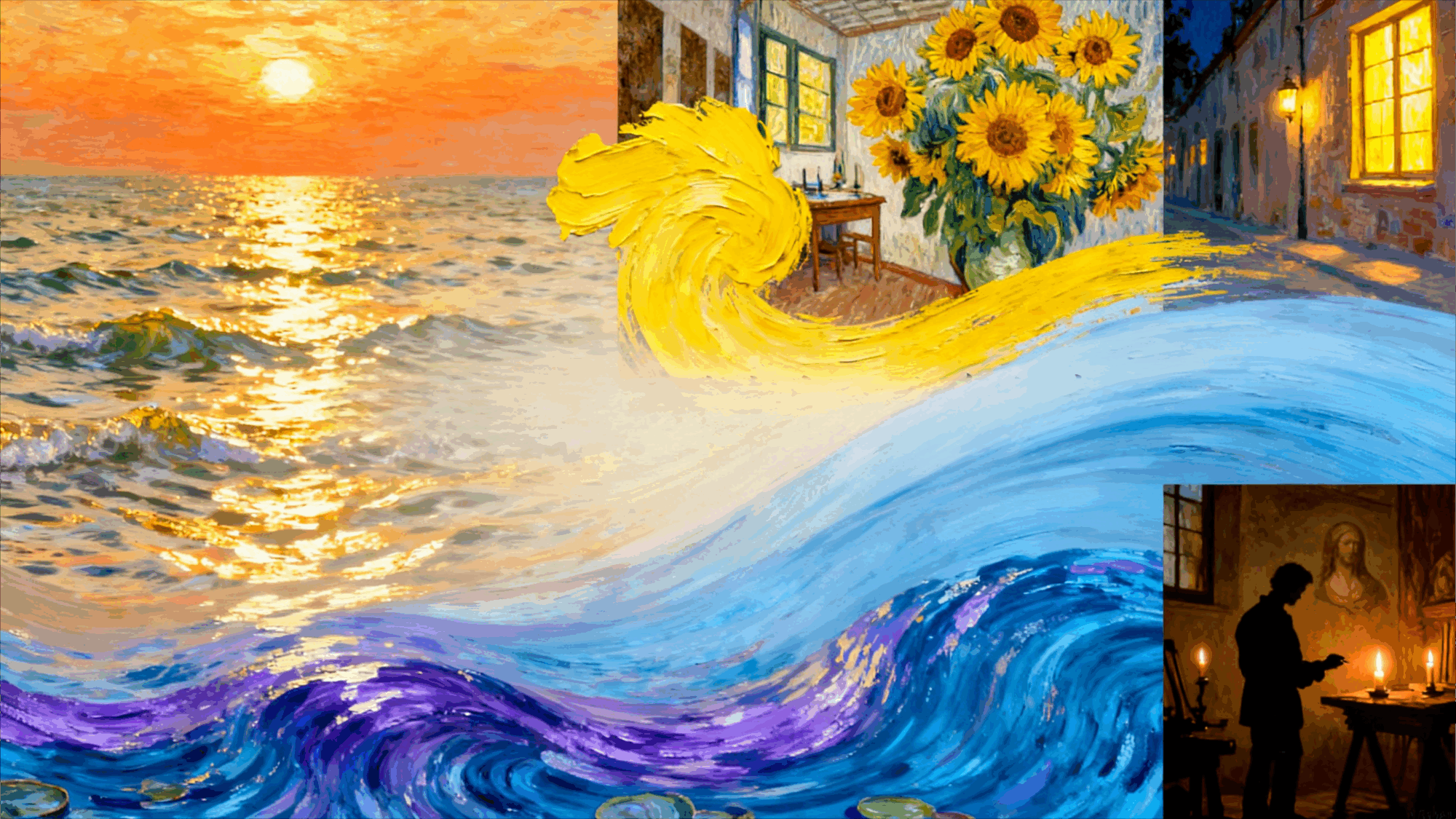
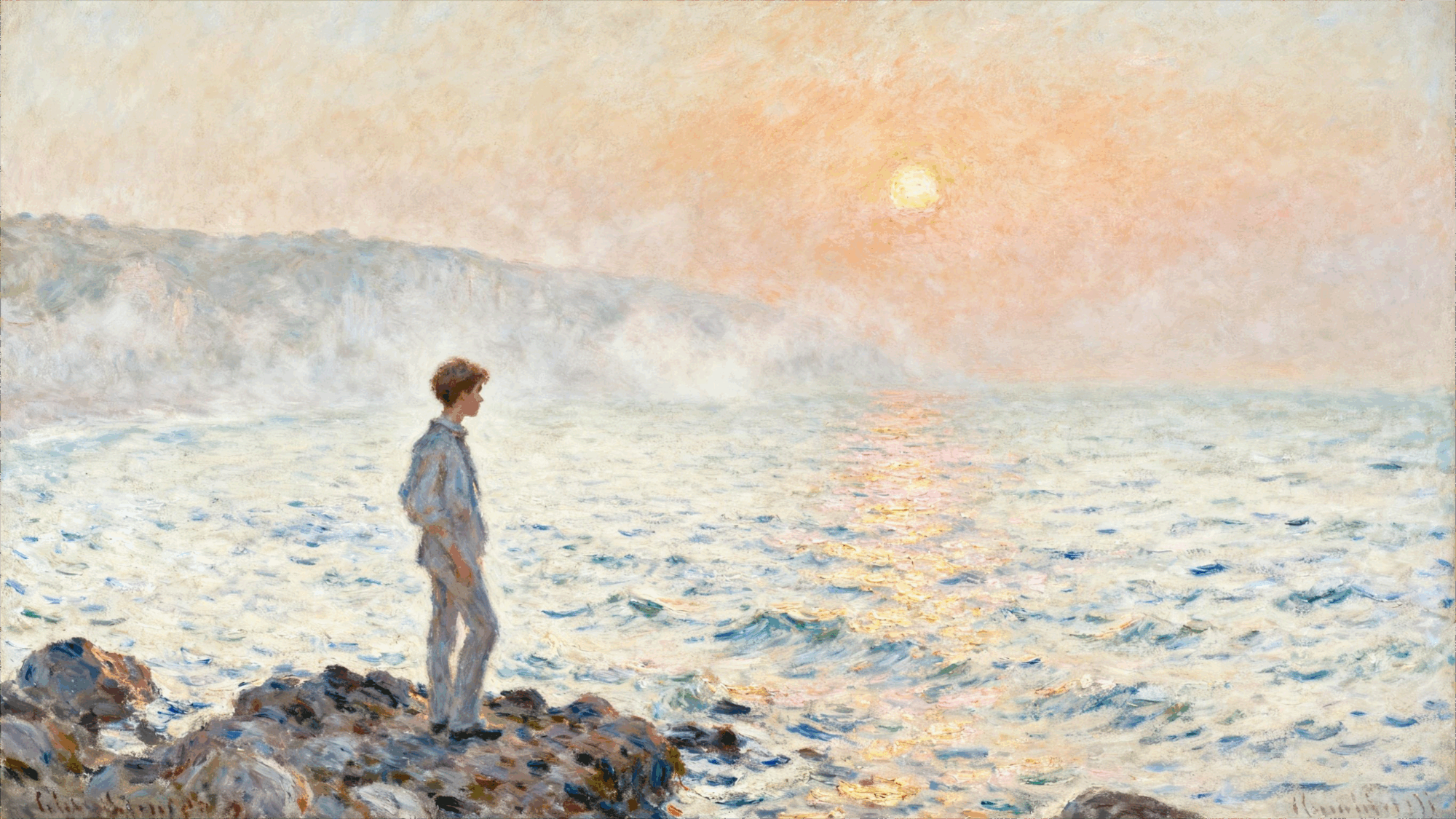
On the coast of Normandy, France, the young Claude Monet stood in the morning mist, watching the rising sun dance on the trembling sea. He was struck by that “breath of light”—not a still scene, but a flowing moment. This moment became the starting point of Impressionism.
Years later, he wrote in a letter to a friend: “I don’t paint landscapes, but the way light falls on landscapes.”
Inspiration is often like this: not deafening, but enough to plant a seed in the heart that changes the world.
American artist Georgia O’Keeffe also described her inspiration: “When I see flowers, they are bigger than a storm.” Most of her paintings stemmed from a fleeting gaze, a moment when she realized that everyday things could possess epic power.
Inspiration is the artist’s brief but profound encounter with the world.
Capturing Inspiration: The First Step from Vague to Clear
Inspiration, if not captured, will vanish like smoke.
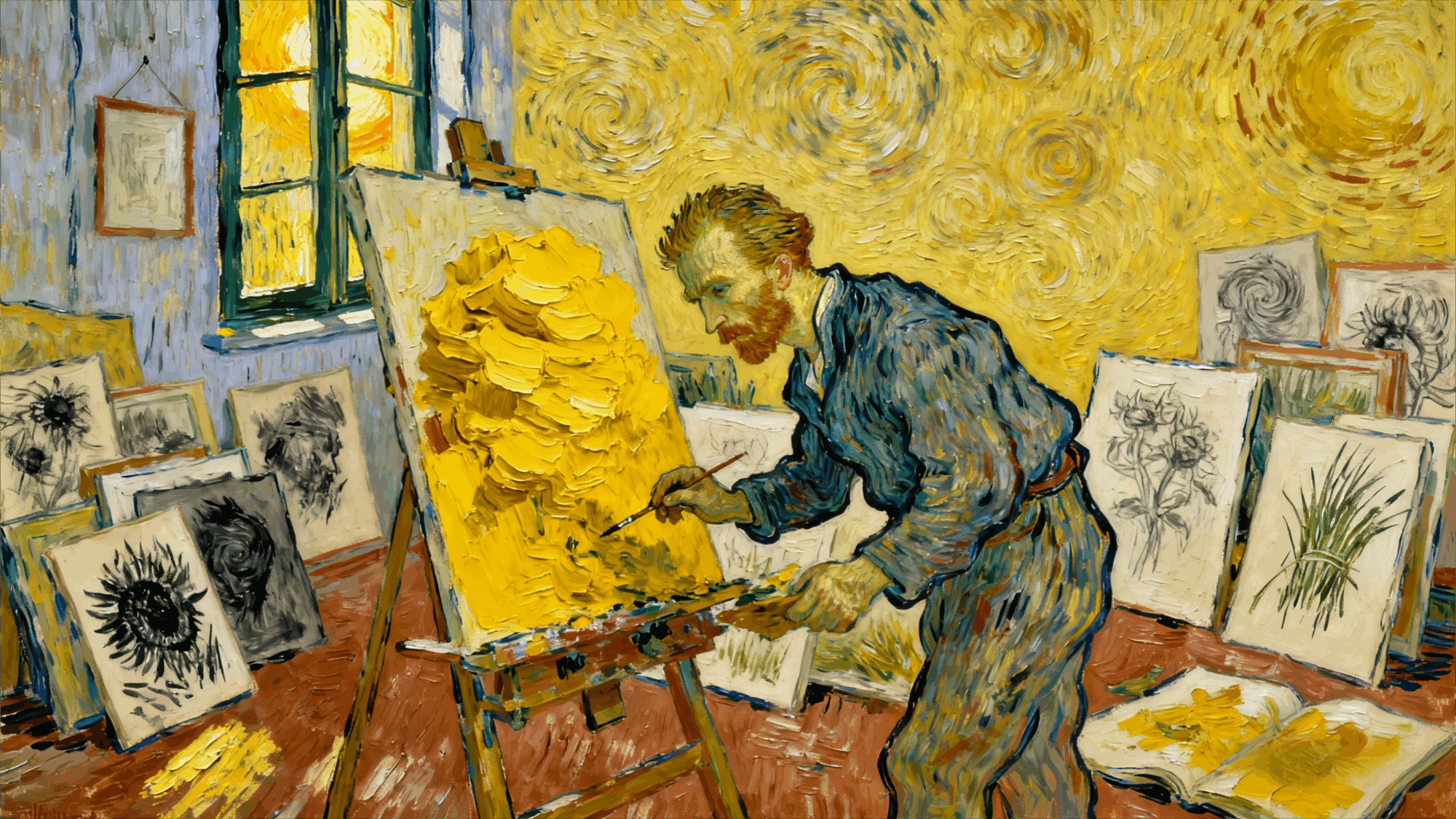
After seeing the burning sunflowers in Arles, Vincent van Gogh immediately returned to his studio, using thick blocks of color to “nail” that vibrant energy onto the canvas. But some of these sketches were too somber, some too frenetic, and some lacked vibrancy. Van Gogh painted at least a dozen sunflowers, just to capture that initial feeling of “light in full bloom.”
In his letters, he wrote: “I am not painting flowers, I am painting the passion for life.”
Capturing inspiration is like this: not recording an object, but recording the fire within your heart.
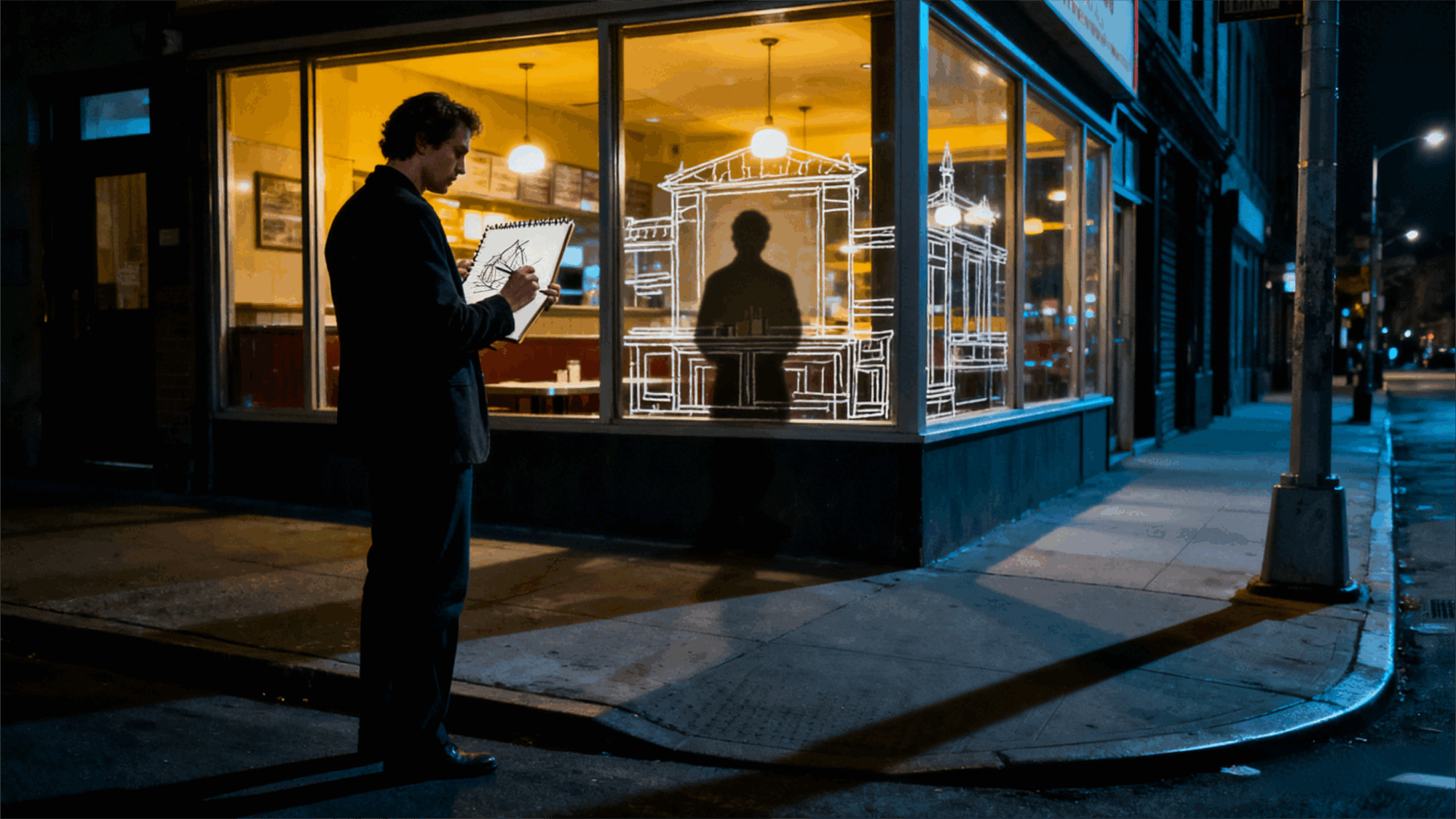
The same is true for the American realist painter Edward Hopper. When he felt the lonely yet warm atmosphere of a late-night restaurant on a New York street corner, he hastily sketched the composition, which later became the classic “Nighthawks.” He knew that if he didn’t capture that moment, it would never return.
The first hurdle of inspiration is to retain it.
Refinement and Reshaping: The Most Difficult Stage of an Artist’s Creation
Once inspiration is captured, the artist must face the most difficult step—making it plausible in reality.
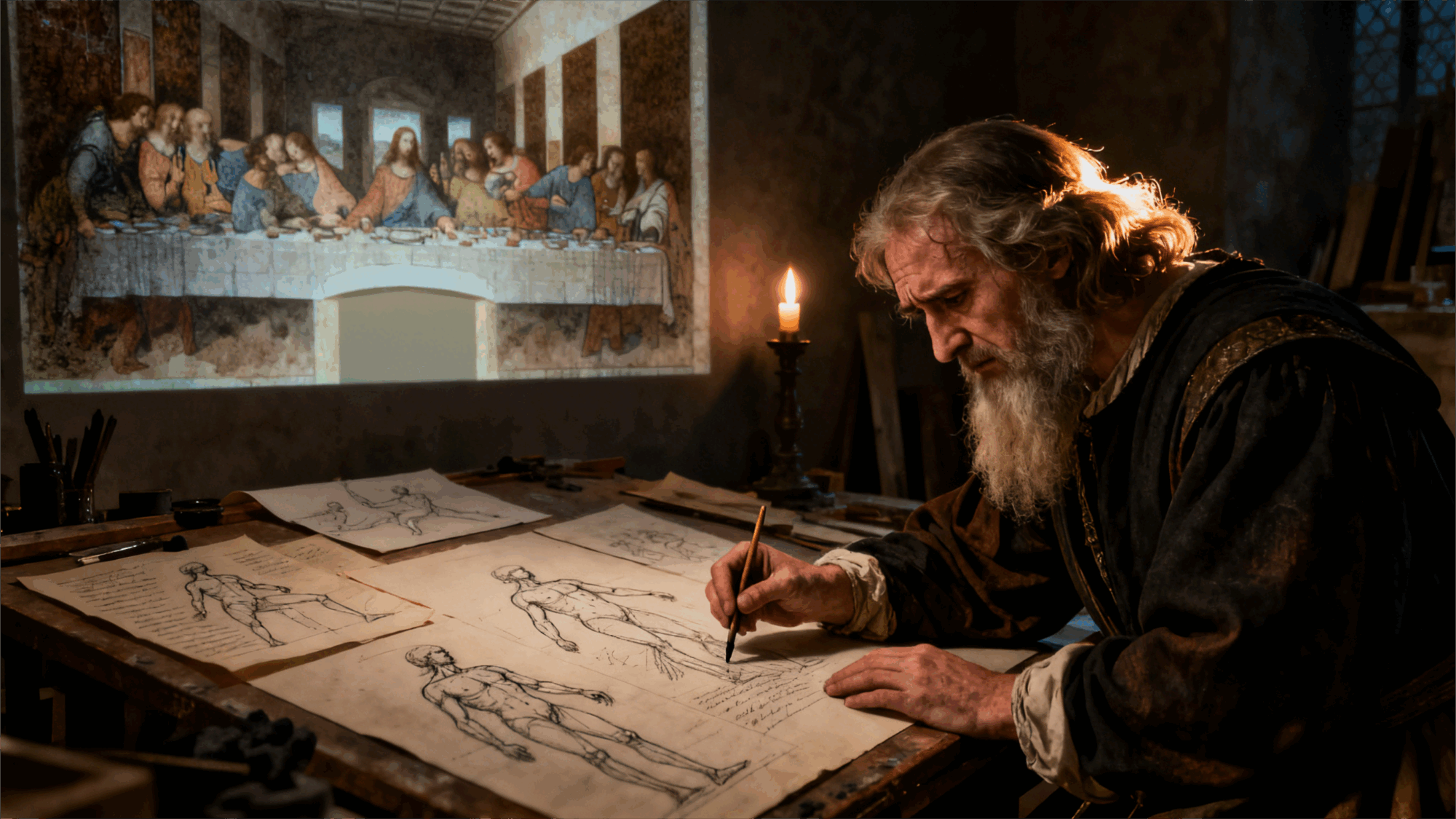
Leonardo da Vinci’s *The Last Supper* was almost rewritten countless times. He was tormented by the “light of forgiveness in Jesus’ eyes” and the “shadow of wavering in Judas’ heart,” losing sleep over them. He consulted anatomical notes, observing the subtle changes in facial muscles under different emotions; he even had friends pose in various ways, just to find the moment that best expressed tension and divinity.
This process was neither sacred nor romantic, but a painful process of intense focus.
Picasso, when creating *Les Demoiselles d’Avignon*, also negated himself as he painted. Each rewrite was like tearing apart his old self. He once said, “Every painting is a war with oneself.” Ultimately, that work, ridiculed as “savage” and “grotesque,” sparked the Cubist revolution.
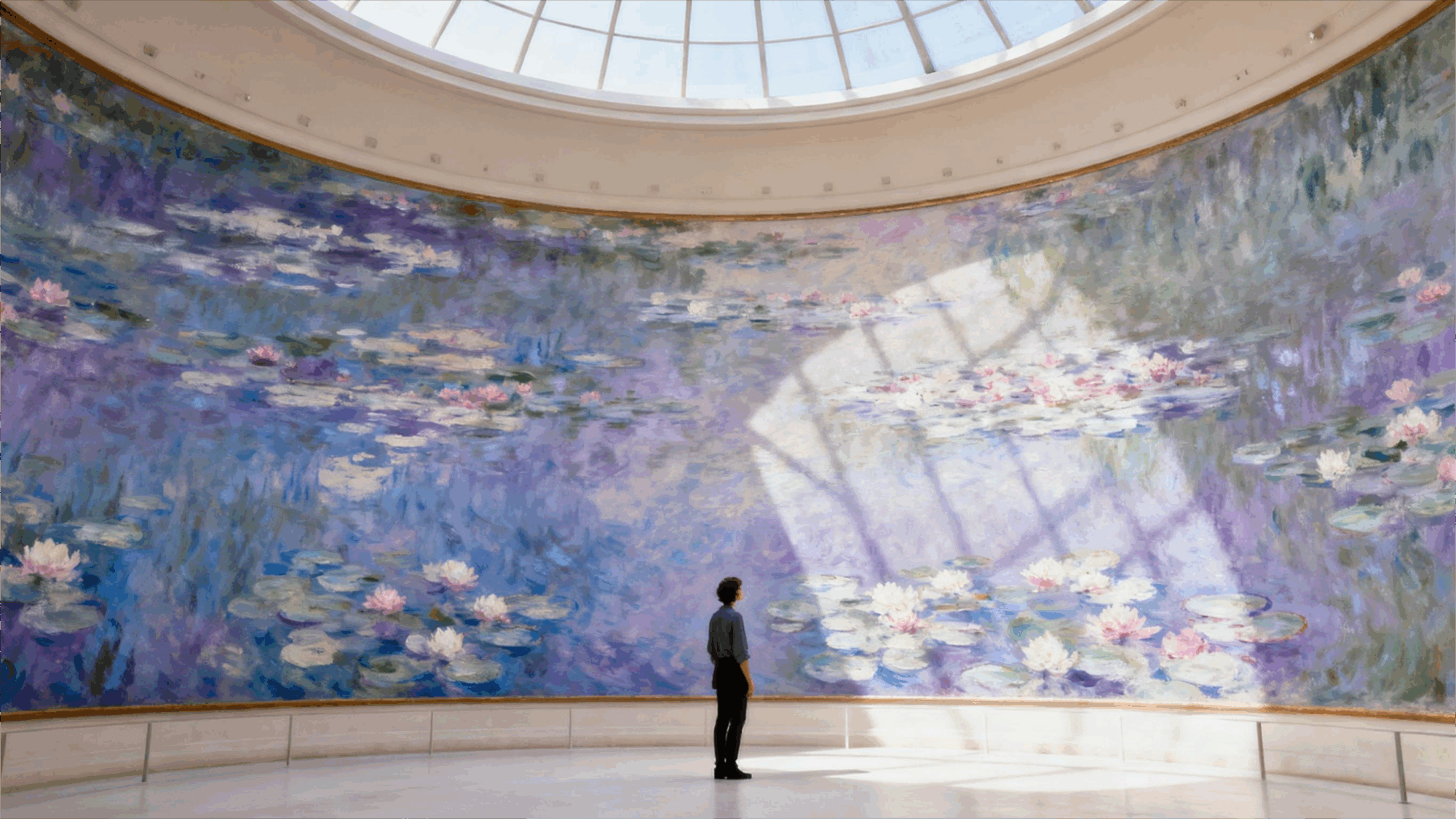
In his Giverny garden, to capture the most authentic colors for his “Water Lilies,” Monet not only redesigned the pond and planted new lotus flowers, but also spent over a decade observing the same body of water—observing how light, air, seasons, and time altered it.
The painting’s creation wasn’t a sudden miracle, but rather the accumulation of countless approaches, deviations, and further approaches.
The Test of Reality: The Bitterness Every Artist Must Swallow
In the process of establishing themselves in the art world, artists also face immense pressure regarding technique, time, environment, and even finances.
Van Gogh often couldn’t afford paint due to poverty, painting his “Starry Night” in the cold night;
Hope, to capture a sense of loneliness, would stand silently for hours in a city corner;
Monet, to chase the changing light, would paint the same spot twenty times a day.
Their inspiration was never sustained by talent, but by heartbreaking perseverance.
American Abstract Expressionist painter Jackson Pollock, in a desolate barn, repeatedly experimented with drip painting, failing to the point of self-doubt;
Dutch painter Rembrandt, bankrupt in his later years, still persisted in exploring light and shadow, ultimately leaving behind the most profoundly humanistic paintings.
Establishing themselves in the art world is a continuous process of negotiation between the artist and the world.
The Birth of an Artwork: From Personal Inspiration to a Global Echo
When a work is finally completed, it is no longer merely an extension of inspiration, but a part of the artist’s life.
Picasso said, “The moment a work is finished, I become its number one audience.”
Monet, in his later years, could hardly see water lilies, yet he persisted in painting that shimmering expanse of water. Those works are now displayed in the Musée de l’Orangerie in Paris, like a silent dream, proving to the world: Inspiration may come in a moment, but greatness comes from a lifetime of perseverance.
Van Gogh’s Starry Night has become a symbol of shared human emotion; Hopper’s Night Wanderers became a visual symbol of an era of solitude; Leonardo da Vinci’s works have become irreplaceable beacons in art history.
The artwork becomes a life beyond the artist, transcending time and engaging in dialogue with the world.
The Truth of the Journey:
From inspiration to realization, artists prove the same thing:
Inspiration only determines what you see, while perseverance determines what you ultimately create.
Inspiration gives you direction, while realization gives you your future.
Monet’s light, Van Gogh’s colors, Hopper’s stillness, Picasso’s fragmentation, Da Vinci’s divinity…
They were all born from repeated experimentation, painful struggles, and unwavering persistence.
This journey is the shared destiny of every creator.
Related Posts