In recent years, as Chinese antique ceramics have continued to attract attention in the international…
The Architect’s Museum: Sir John Soane and the Public Fate of ‘Private Collections
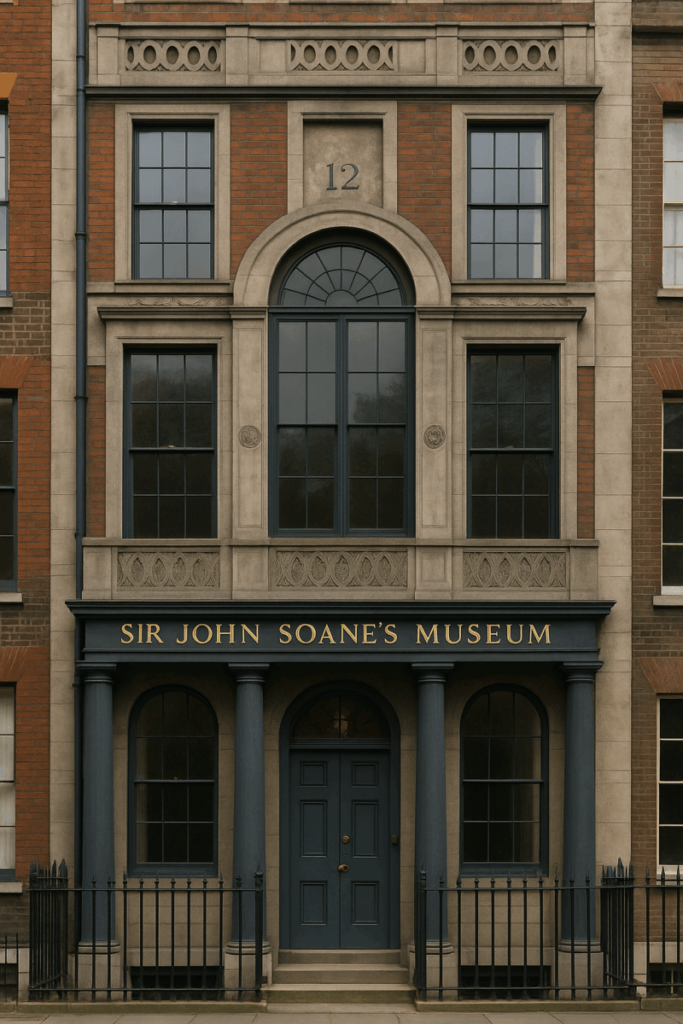
Tucked away in an unassuming Georgian townhouse on London’s Lincoln’s Inn Fields lies one of the most unique museums in the world: Sir John Soane’s Museum. There are no grand gilded gates, no noisy crowds, no expensive tickets. Yet the moment you step through the door, you’re struck by an indescribable sense of wonder: classical sculptures placed alongside Gothic fragments, paintings hidden behind mechanical rotating walls, light and space orchestrated with subtle brilliance in narrow corridors—like entering the mental labyrinth of a wise and eccentric collector.
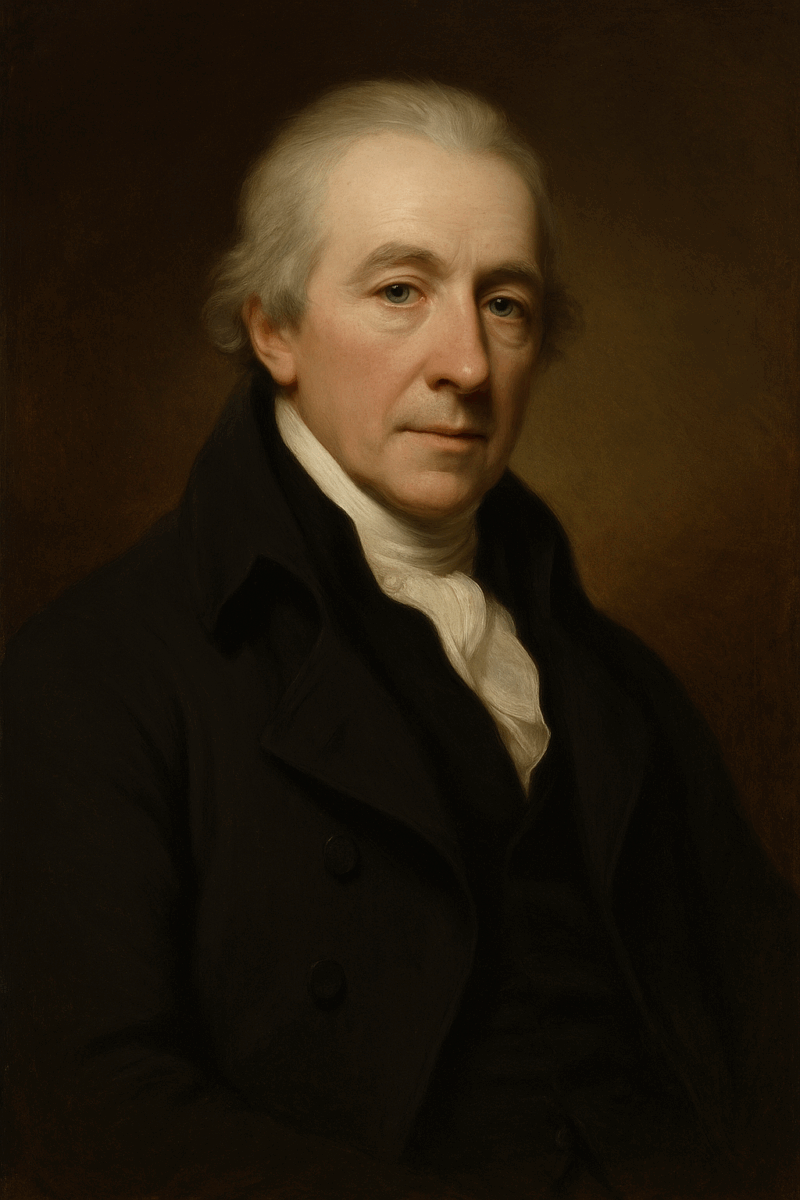
The mastermind behind it all was Sir John Soane (1753–1837), a renowned British architect, collector, and educator.
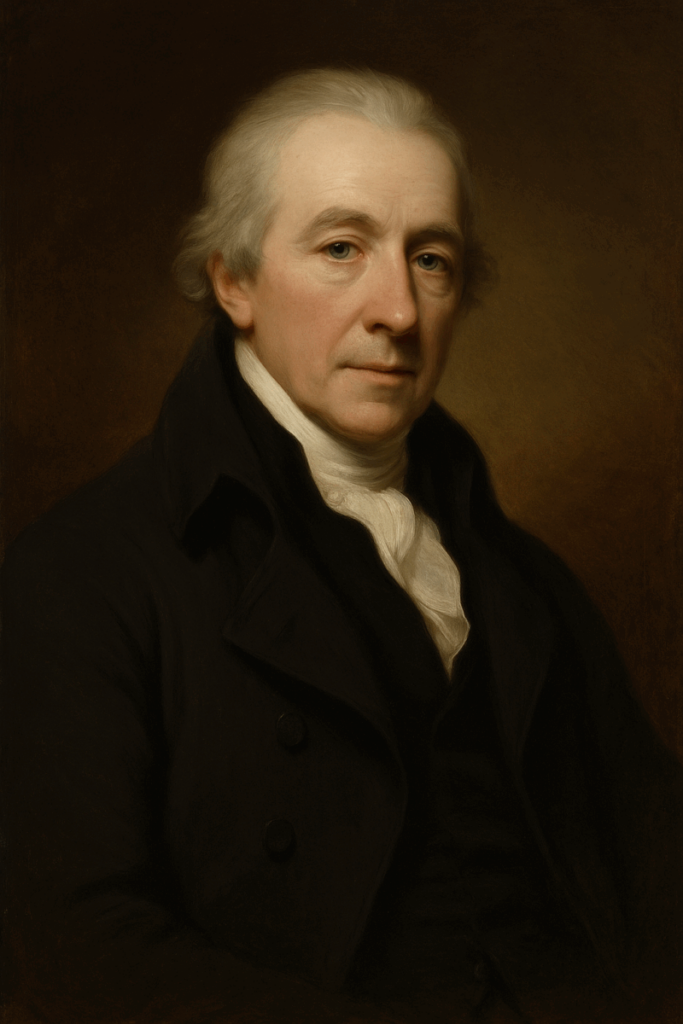
2. “A House as a Museum”: A Revolutionary Vision of Collecting Space
One of Soane’s most radical ideas was to institutionalize his private residence as a future public museum. He never remarried, devoting all his energy and emotion to the house at No. 12–14 Lincoln’s Inn Fields. Over the years, he continually restructured its layout and displays, turning it into a kind of “spatial laboratory of ideas.”
This house was never meant to be a conventional gallery. Instead, it embodied Soane’s integrated vision of architecture, collecting, and education. He even petitioned Parliament to pass a special act ensuring the permanent preservation of both the house and its contents, with the strict stipulation that they must be maintained exactly as he left them. As a result, the Sir John Soane’s Museum we see today remains almost exactly as it was at the time of his death—as if time itself had been suspended within its walls.
3. “A Meditative Collection”: From Grandeur to the Aesthetics of Ruin
Soane’s collection was marked by a distinctive fragmentary quality. He did not seek complete or pristine sets; instead, he was deeply drawn to broken, damaged architectural elements and sculptures. This preference reflected his profound understanding of human history: grandeur inevitably crumbles, and it is the ruins—the fractured walls and worn stones—that most powerfully evoke reflection.
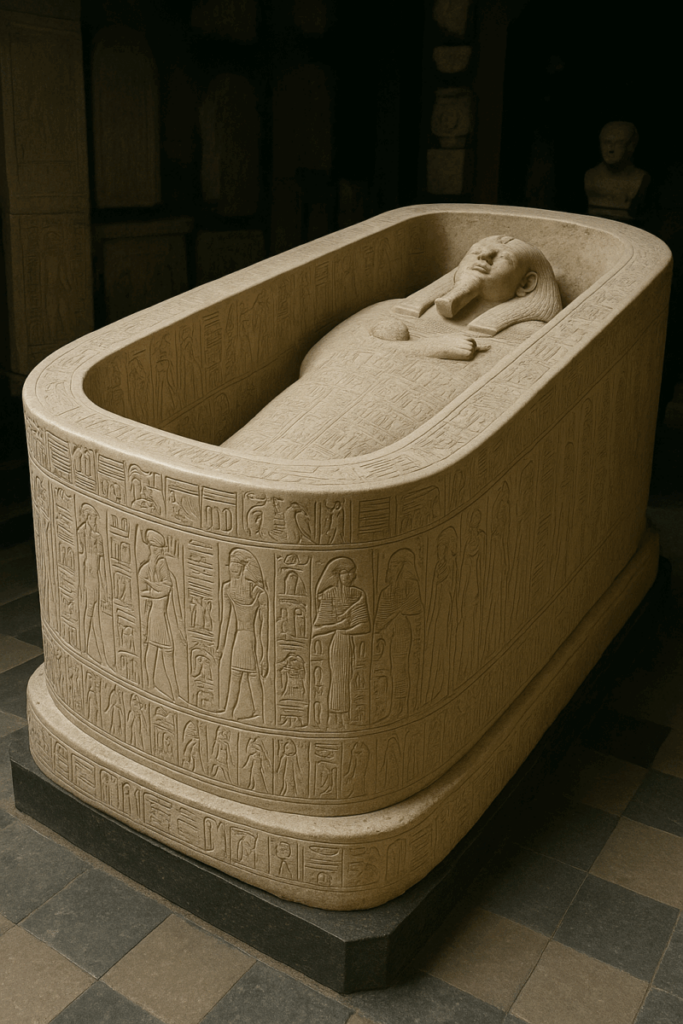
One of his most prized possessions was the sarcophagus of Pharaoh Seti I. The British Museum had once rejected it as “too large and of unclear significance,” but Soane, recognizing its symbolic power, spent a fortune to acquire it. He installed it in a specially designed subterranean space, where careful lighting and architectural framing created an atmosphere of ritual and reverence. Soane referred to the sarcophagus as a “gateway to eternity,” a symbol of the cycles of civilization and the persistence of human memory.
4. The Power of Legacy: The Public Transformation of Private Collections
John Soane was one of the earliest individuals in British history to transform a private collection into a “public trust.” Before his death, through the John Soane Act, he managed to make his home a “living museum” permanently held by the nation. This model later influenced countless British families, foundations, and cultural institutions, becoming an important precursor to the British museum system.
Today, the Soane Museum is not only a source of inspiration for architects, artists, and historians but also represents a collecting philosophy distinct from commercial logic: collecting is not for ownership, but for transmission; collections are not for labeling, but for sparking reflection.
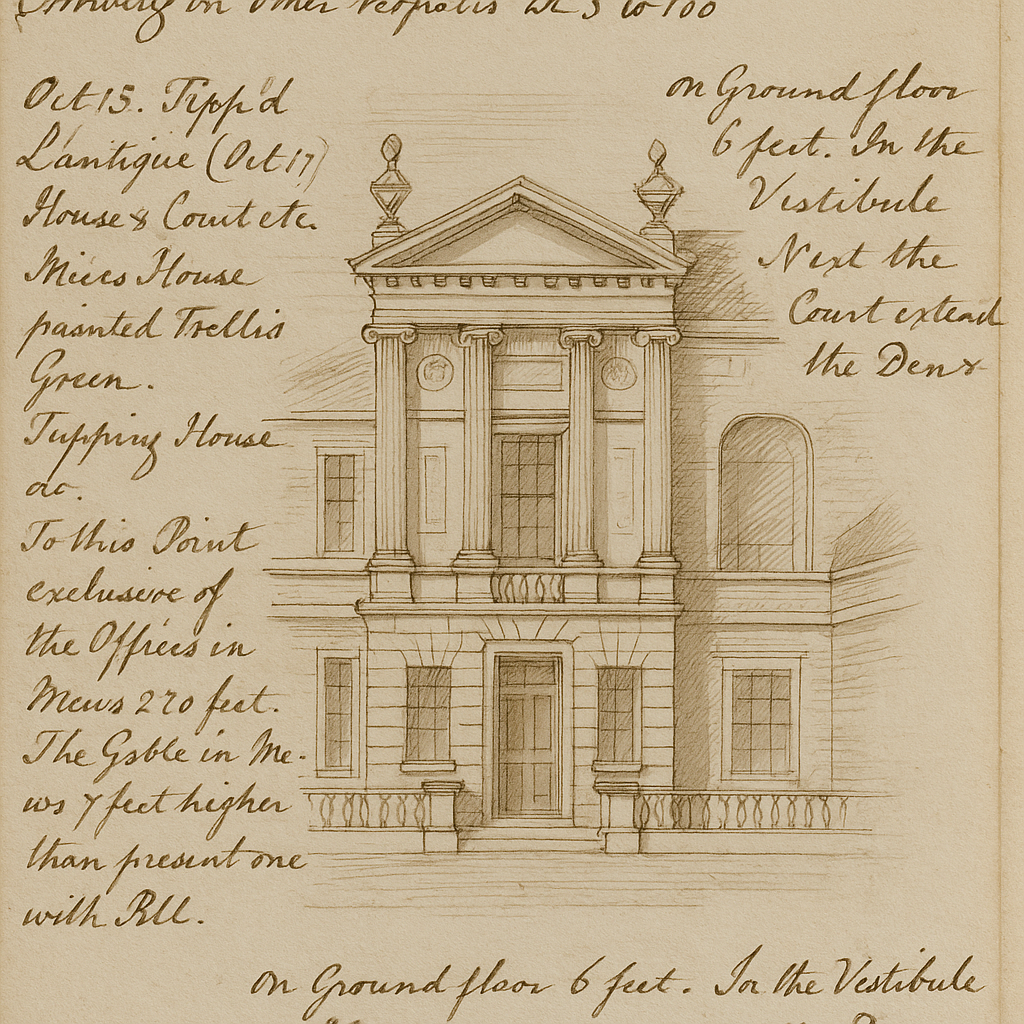
Collecting Is a Philosophy of Space
John Soane spent his life proving that a true collector is not an “owner” but a “weaver”: someone who weaves knowledge, history, objects, space, and emotion into a web of time. His museum is not a “place of display” but a “theater where ideas happen.”
In today’s art market—highly financialized and symbolized—looking back to Soane’s spirit may hold even greater inspiration. His collection is a silent classroom, a coordinate for the soul, and a relic of civilization’s dialogue.
Related Posts