A Transcendent Image by Leonardo da Vinci In the history of Western art, few images…
Song Dynasty Porcelain: Simple Elegance and a Millennium of Rise and Fall
In the history of Chinese ceramics, the Song Dynasty (960-1279) is hailed as the “Golden Age of Porcelain.” During this period, porcelain transcended mere practicality and became a work of art, becoming a vital vehicle for Song Dynasty culture. With its elegant and subtle aesthetic, sophisticated craftsmanship, and diverse kiln systems, Song porcelain has left a significant mark on the history of Chinese ceramics.
The Prosperity of the Northern Song Dynasty: The Rise of Official Kilns and the Artification of Porcelain
After the founding of the Song Dynasty, social stability and economic development created conditions for the flourishing of handicrafts. Porcelain production reached its first peak during the Northern Song Dynasty.
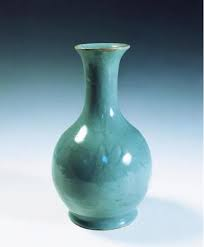
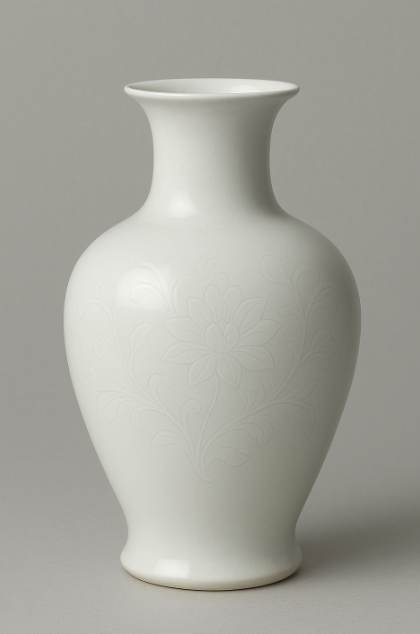
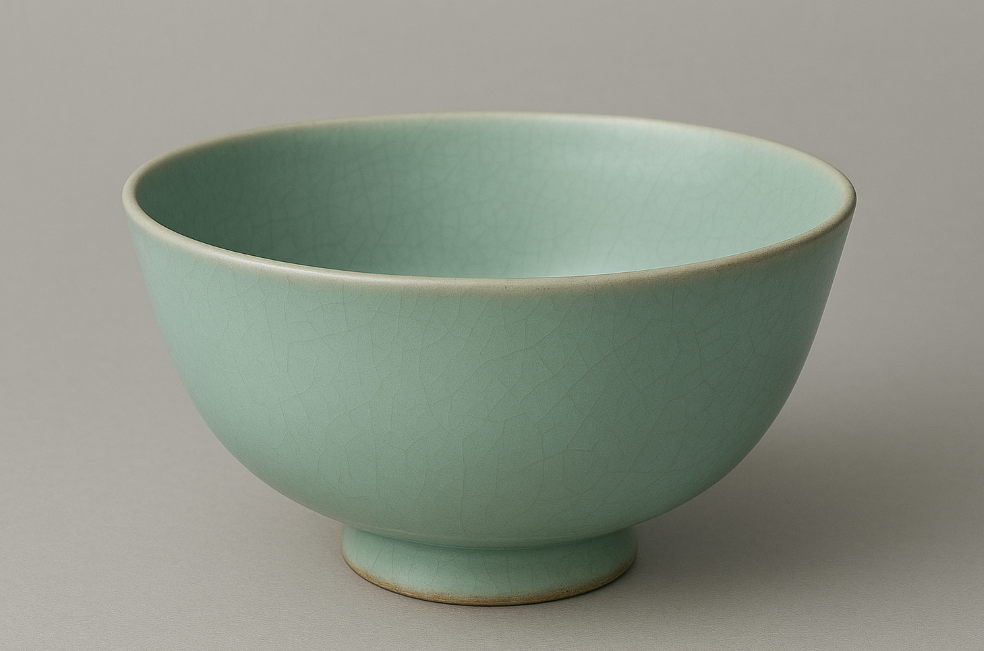
Ding Kiln is renowned for its white porcelain, characterized by a fine body and pure white glaze. Carved, scratched, and printed decorations are common. Ru Kiln, the official kiln of the Northern Song Dynasty, produced extremely valuable products, renowned for its sky-blue glaze, often featuring fine crackle, creating a simple yet captivating charm. Official kiln porcelains feature a thick, creamy glaze with a crisscross pattern of crackles, and a distinctive purple rim and iron foot. Jun Kiln, on the other hand, excels with its kiln-transformed glazes, offering a myriad of natural, natural shades, including sky-blue, moon-white, and rose-purple.
The Northern Song Dynasty Ru kiln celadon washbasin, with its jade-like glaze, embodies the aesthetic tastes of Song Dynasty literati.
During the reign of Emperor Huizong of Song, the imperial court’s love of porcelain reached its peak. This highly artistic emperor personally participated in the design and demanded meticulous craftsmanship. During this period, celadon technology reached its peak, with glazes embodying a jade-like texture, embodying the literati’s aesthetic ideal of “harmony between man and nature.”
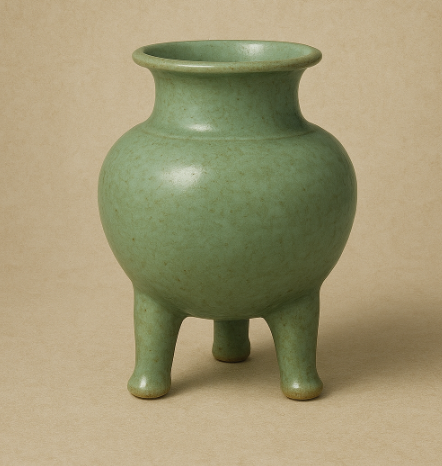
The Southern Song Dynasty’s Transformation: Longquan Celadon and the Rise of Jingdezhen In 127 AD, the Northern Song Dynasty fell, and the imperial family moved south to establish the Southern Song Dynasty. Northern kiln workers subsequently migrated south, bringing advanced technology and promoting the development of the southern porcelain industry. Longquan Kilns flourished during this period, with their powder-green and plum-green glazes boasting rich, moist colors and a soft, lustrous finish, like jade. Products were not only supplied domestically but also exported in large quantities overseas. Jingdezhen’s blue-and-white porcelain (shadow blue) also began to emerge, featuring a white, delicate body and a glaze that was green with a hint of white, and white with a hint of green, like blue-and-white jade, laying the foundation for Jingdezhen’s future status as the “Porcelain Capital.” A Southern Song Dynasty Longquan Kiln plum-green glaze tripod-style furnace, with a lustrous glaze and a simple, elegant shape. During the Southern Song Dynasty, overseas trade became a major driving force behind the development of porcelain. Through the Maritime Silk Road, Song porcelain was exported to East Asia, Southeast Asia, the Middle East, and even East Africa, becoming one of China’s most important export commodities at the time. Generate Image
Aesthetic Characteristics of Song Dynasty Porcelain: Simplicity and Reservation
The beauty of Song Dynasty porcelain lies in its unadorned, understated elegance. Unlike the ornate and opulent Tang Dynasty porcelain, Song Dynasty porcelain pursues a simple, natural, and elegant aesthetic.
This aesthetic style is closely tied to Song Dynasty culture: Neo-Confucianism advocated the pursuit of the essence of things through the study of things; the rise of the literati, whose aesthetics influenced arts and crafts; and Zen Buddhism, which emphasized simplicity and nature. All these factors combined to shape the unique aesthetic character of Song Dynasty porcelain.
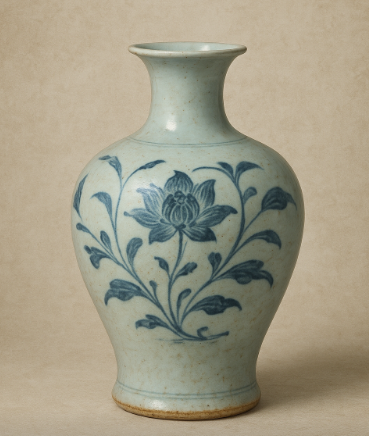
Song Dynasty porcelain decoration primarily relied on the glaze itself, with few additional embellishments. Motifs were often drawn from natural sources, such as lotus, peony, and landscapes. The technique was freehand rather than realistic, leaving blank spaces to allow for imagination. This “less is more” design philosophy is still considered a high-end aesthetic.
The Decline of Song Dynasty Porcelain: War and Technological Change
The glory of Song Dynasty porcelain gradually faded with the fall of the Southern Song Dynasty in 1279. After the establishment of the Yuan Dynasty, social unrest led to the decline of many renowned kilns. At the same time, aesthetic tastes shifted. The Yuan people preferred porcelain with vibrant colors and intricate patterns, leading to the rise of blue-and-white porcelain and the decline of plain, elegant monochrome glazes.
More importantly, the Mongol Empire opened up the Eurasian continent, allowing cobalt from the Middle East to be more easily imported into China, providing the material foundation for the development of blue-and-white porcelain. Jingdezhen, adapting to these changes, gradually became the nation’s porcelain production center, while many other renowned Song Dynasty kilns, due to their conservative nature, were marginalized.
The Legacy of Song Porcelain: Influence and Inspiration
Despite its gradual decline, Song porcelain’s influence remains profound. Representing a pinnacle of ceramic art, it remains cherished by collectors today, with fine pieces fetching sky-high prices at auction.
The aesthetic concepts of Song porcelain have also influenced subsequent generations and even the world. Both Japan’s “wabi-sabi” aesthetic and Korean ceramic art are deeply influenced by Song porcelain. The popularity of minimalism in modern design also finds resonance in Song porcelain.
The aesthetics of Song Dynasty porcelain have had a profound impact, and the minimalist style of modern design shown here is clearly influenced by it.
When we examine these millennia-old artifacts today, we still sense a tranquility and elegance that transcends time. Song Dynasty porcelain is not only a treasure in the history of Chinese ceramics, but also a concentrated embodiment of the aesthetic spirit of Chinese civilization. Its rise and fall reminds us that while art is closely linked to its time, true beauty transcends time and space, remaining timeless.
Related Posts