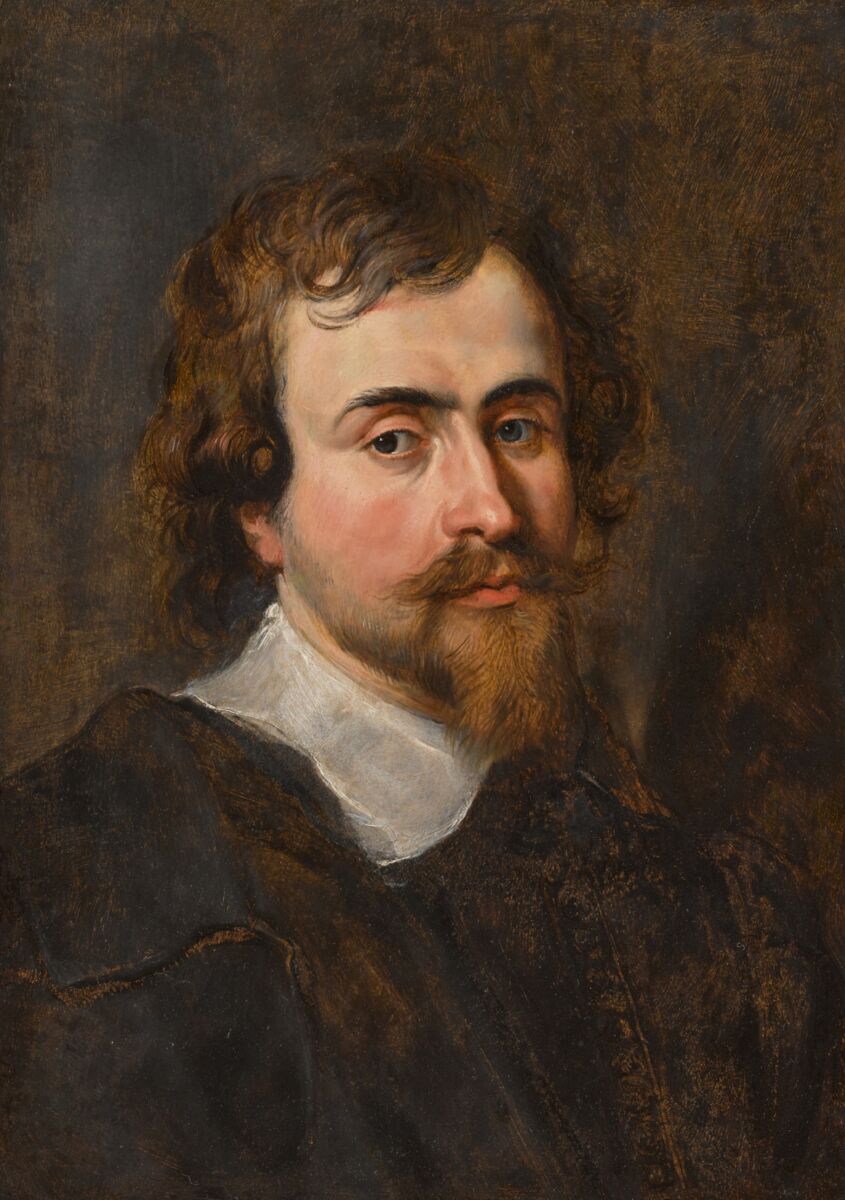
Peter Paul Rubens (1577–1640), his name is synonymous with the Golden Age of Baroque art.…
From the Restraints of Tempera to the Dawn of Oil Paint: A Legend of the Origins of Oil Painting
Before the mysterious smile of the Mona Lisa in the Louvre, and beneath the profound play of light and shadow in Rembrandt’s works at the Metropolitan Museum of Art, we have long grown accustomed to the unparalleled realism and gravity that oil painting offers. Yet did you know that at the dawn of oil painting, European artists were still bound by a far more “fragile” medium?
Today, let us turn back the clock and trace how oil painting—this art form that has dominated Western painting for over six centuries—broke free from its chrysalis through a revolution in materials.
The Prehistoric Age of Oil Painting: The Glory and Limits of Tempera
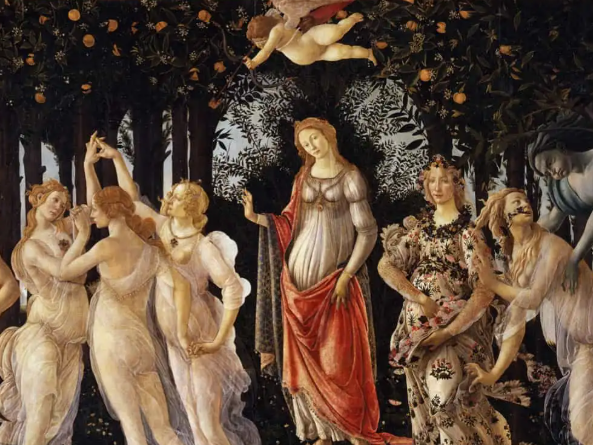
Before the 15th century, the undisputed ruler of European painting was tempera. This technique used egg yolk or egg white as a binding agent, mixed with powdered mineral pigments, and was applied to carefully prepared wooden panels. From Giotto to Botticelli, countless masters created their masterpieces with it. Tempera dries extremely quickly, producing fresh, luminous colors and allowing artists to render jewel-like lines and exquisitely decorative details.
Yet the limitations of tempera were just as striking. It dries too fast to permit subtle color blending and smooth tonal transitions; its paint layers are thin and semi-transparent, making it difficult to cover dark underdrawings and leaving little room for correction. Most critically, its final effect tends to appear “dry,” lacking the depth and luster needed to convincingly evoke flesh, silk, and air. Artists seemed to be dancing in shackles, yearning for a medium that was more fluid, more powerful, and better able to carry the Renaissance’s growing desire to explore the real, tangible world.
The Prelude to a Revolution: The van Eyck Brothers and the “Mixed Technique”
Oil painting did not emerge out of nowhere. As early as the Middle Ages, artists had experimented with using oils—such as walnut oil and linseed oil—to bind pigments, but the results were far from ideal: drying was slow, and the paint film was prone to cracking. The true breakthrough came in the early 15th century in the Low Countries (present-day Netherlands and Belgium).
The pivotal figures were Jan van Eyck and his brother Hubert van Eyck. They were not “inventors” in the strict sense, but rather great synthesizers and innovators. Through systematic experimentation with the oil-based media already known in their time, they ultimately arrived at a refined formula using purified linseed oil or walnut oil as the binding medium.
The revolutionary nature of this new formula lay in several key aspects:
Controlled drying time: Painters now had ample time to blend colors calmly on the surface, refine details, and achieve subtle transitions from light to shadow.
Unparalleled expressive power: Oil paint offered rich, saturated colors and strong covering ability. It could be applied in translucent layers to create jewel-like luminosity through glazing, or built up thickly to form sculptural textures.
Enduring stability: Once dried, the oil film became tough and durable, effectively protecting the paint layers and allowing works to survive for centuries with minimal mold or flaking.
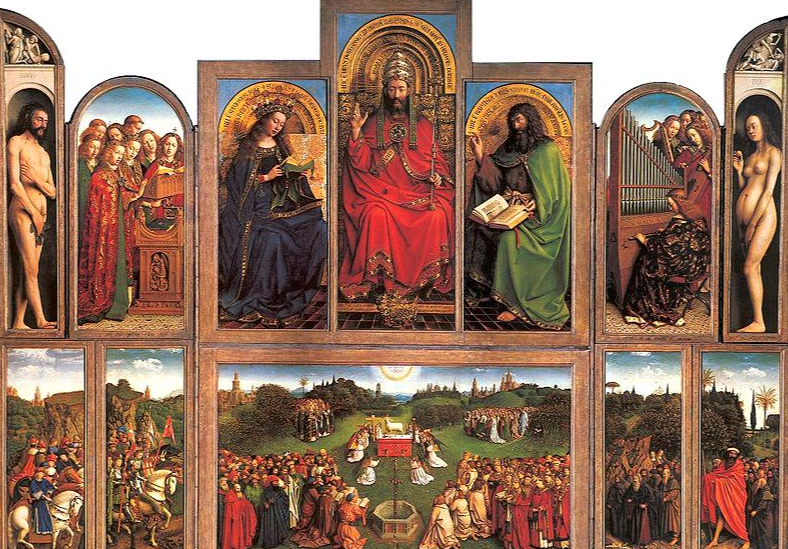
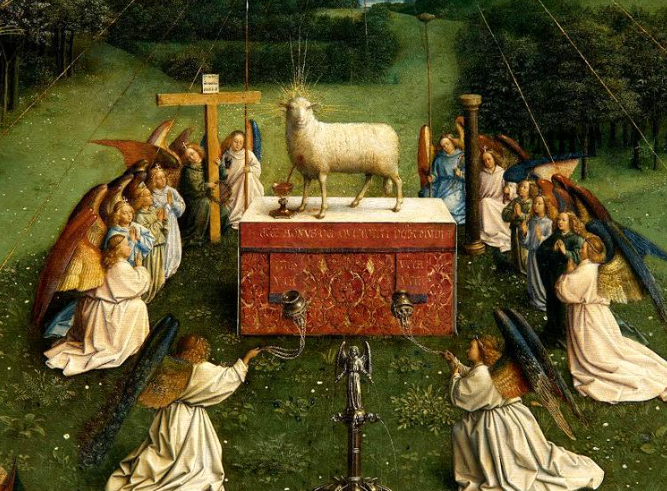
The van Eyck brothers’ masterpiece—the Ghent Altarpiece created for St. Bavo’s Cathedral in Ghent—is regarded by many art historians as “the world’s first truly oil-painted work.” Within this monumental piece, one encounters details never seen before: the dazzling reflections of gemstones, the delicate weave of brocade, the faint tracery of veins beneath human skin, and an atmosphere so full and tangible it seems almost touchable.
The Spread of the Technique: From North to South, Rewriting Art History
The visual impact of this new technique was nothing short of revolutionary. Oil painting did not remain confined to the Low Countries; like a surging tide, it flowed swiftly southward to the artistic heart of Europe—Italy.
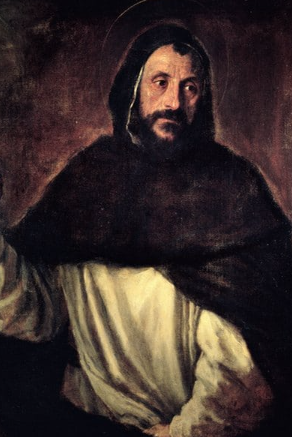
At the time, Italian artists were still working primarily with tempera and fresco traditions. When they encountered oil paintings from the north, they were profoundly struck by their lifelike effects. Venetian painters were among the first to embrace this transformation. Given Venice’s humid climate, which was ill-suited to the long-term preservation of frescoes, the durability of oil painting proved especially valuable. Artists such as Giovanni Bellini studied and refined the oil technique, and his student Titian carried its expressive power to new heights.
Titian developed a more direct, painterly approach: his brushwork became bold and free, his colors radiant and intense. With him, oil painting finally cast off the meticulous restraint of its early methods and emerged as a medium capable of fully expressing an artist’s passion and individuality.
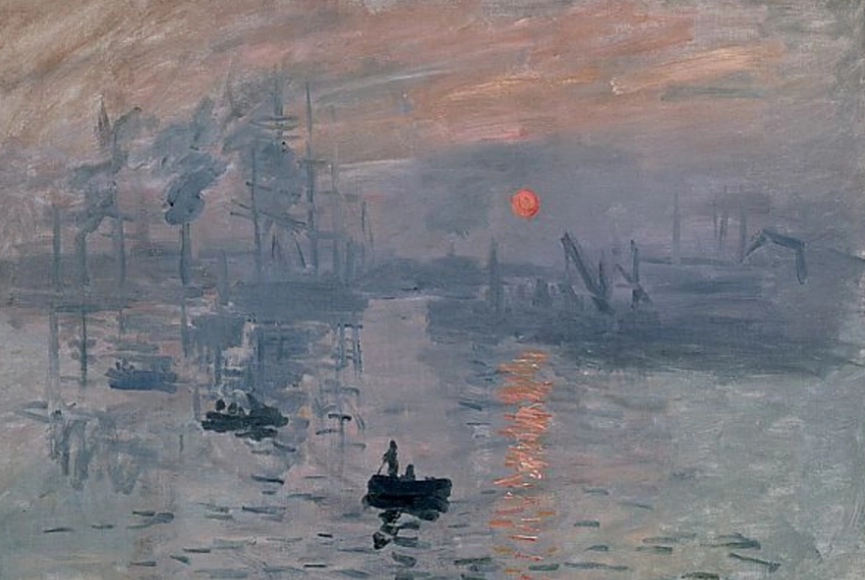
From that point on, oil painting reached full maturity and swiftly replaced tempera as the dominant medium of Western art. From the Renaissance masters’ exploration of human nature and science, to the dramatic light and shadow of Rembrandt in the Baroque era, and onward to the Impressionists’ capture of fleeting effects of light in the open air, every major stylistic transformation in oil painting was built upon the medium’s uniquely advantageous material qualities.
Epilogue: The Modern Echo of a Tube of Paint
The evolution of oil painting did not stop there. Around 1824, the invention of portable tin paint tubes allowed artists to leave their studios and work directly before nature. This innovation directly gave rise to a series of great outdoor revolutions in the 19th century, including the Barbizon School and Impressionism.
On the other side of the world, oil painting entered China in the late Qing dynasty. Through its encounter and fusion with indigenous aesthetics, it inaugurated a century-long quest for modernity in Chinese art.
Looking back at the origins of oil painting, it was far more than the emergence of a new pigment. It was a liberation of thought, a revolution in ways of seeing. When the van Eyck brothers carefully blended that first perfect stroke of oil paint, they opened a new door for humanity—a door leading to limitless possibilities for depicting the world we perceive with greater realism, deeper insight, and greater freedom. Even today, we continue to stand within the grand hall beyond that door, receiving its power to astonish and move us.
Related Posts