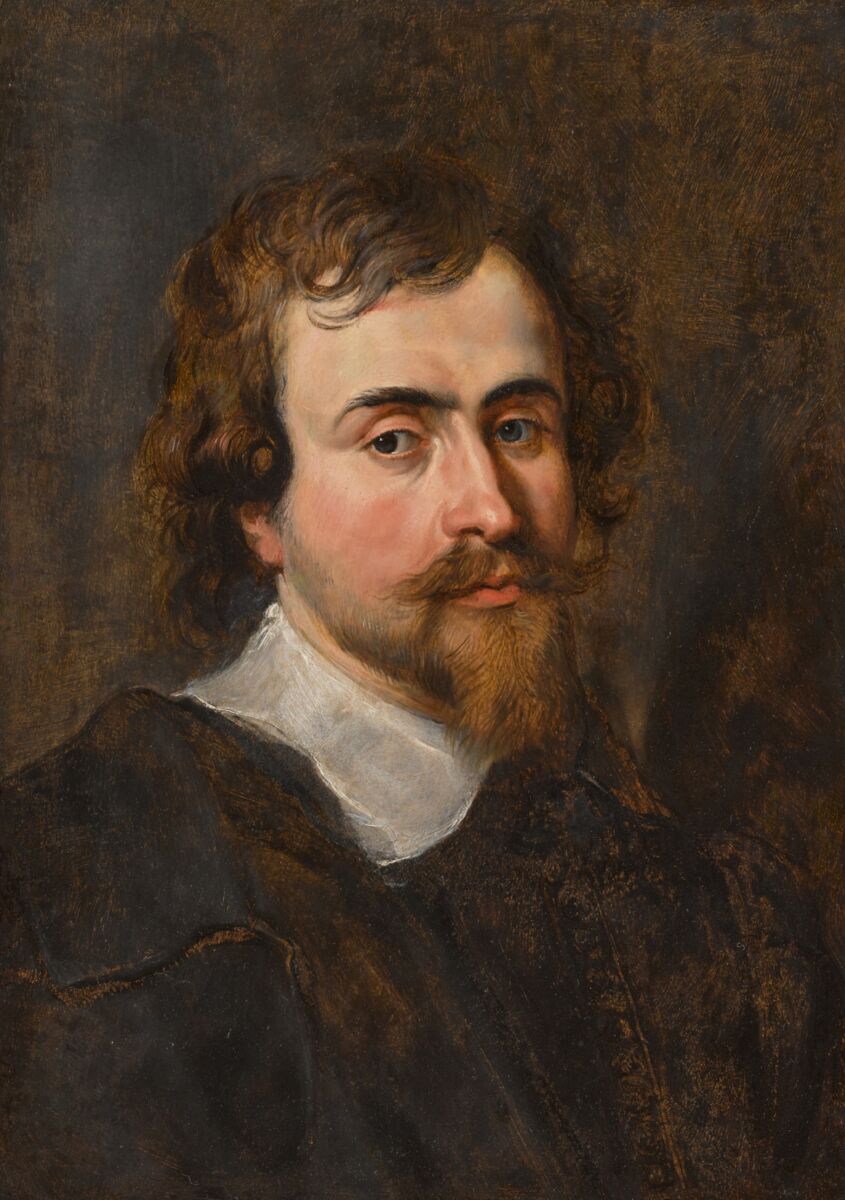
Peter Paul Rubens (1577–1640), his name is synonymous with the Golden Age of Baroque art.…
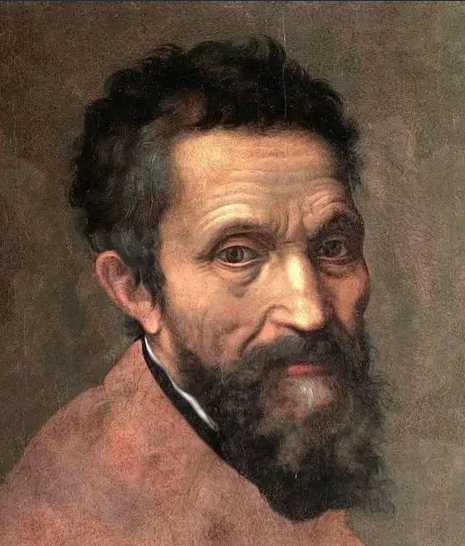
From Apprentice to Legend: Michelangelo’s Path to Fame in Painting
When people discuss the artistic giants of the Renaissance, Michelangelo Buonarroti (1475-1564) always holds a supreme position. However, this artist, hailed as “the Divine Michelangelo,” did not achieve fame overnight. His path in painting began as a humble apprentice, undergoing challenges and breakthroughs before ultimately climbing to the pinnacle of art history.
Early Influence: The Budding of Artistic Talent
Michelangelo was born on March 6, 1475, into a declining noble family in Caprese, Italy. As a child, he was sent to live with his nanny, whose husband happened to be a stonemason. This experience may have sown the seeds of his initial interest in sculpture. Although his father hoped he would pursue a more respectable profession, Michelangelo’s dedication to art ultimately prevailed.
At the age of 13, he became an apprentice in the studio of the renowned Florentine painter Domenico Ghirlandaio. Here, Michelangelo displayed astonishing talent and a keen understanding of human anatomy. Legend has it that he frequently studied corpses in church morgues to understand muscle structure, and this almost obsessive dedication became a crucial foundation for his later works.
Lorenzo’s Appreciation: The Turning Point in the Medici Gardens

A pivotal turning point in Michelangelo’s life came when he was 15. Lorenzo de’ Medici (Lorenzo the Luxuryr), the de facto ruler of Florence, recognized the young man’s talent and invited him to reside in the Medici Palace. Within the Medici family’s humanist circle, Michelangelo was exposed to classical art, philosophy, and poetry, influences that shaped his humanist artistic vision.
During this period, Michelangelo created early reliefs such as *Madonna of the Staircase* and *The Battle of the Centaurs*, demonstrating his profound understanding of dynamic composition and human anatomy. However, he was not yet considered a major painter, but rather began to emerge as a sculptor.
Challenge and Opportunity: The Sistine Chapel Call
In 1499, at the age of 24, Michelangelo rose to fame in Rome with his sculpture *Pietà*. Returning to Florence in 1501, he created the world-renowned *David*, solidifying his supreme position in the field of sculpture. However, his path to fame as a painter reached a decisive moment a few years later.
In 1505, Pope Julius II summoned Michelangelo and commissioned him to design a magnificent tomb. However, due to political upheavals, the project was interrupted several times. In 1508, Michelangelo was forced to accept a task he was unwilling to undertake—to paint the ceiling of the Sistine Chapel.
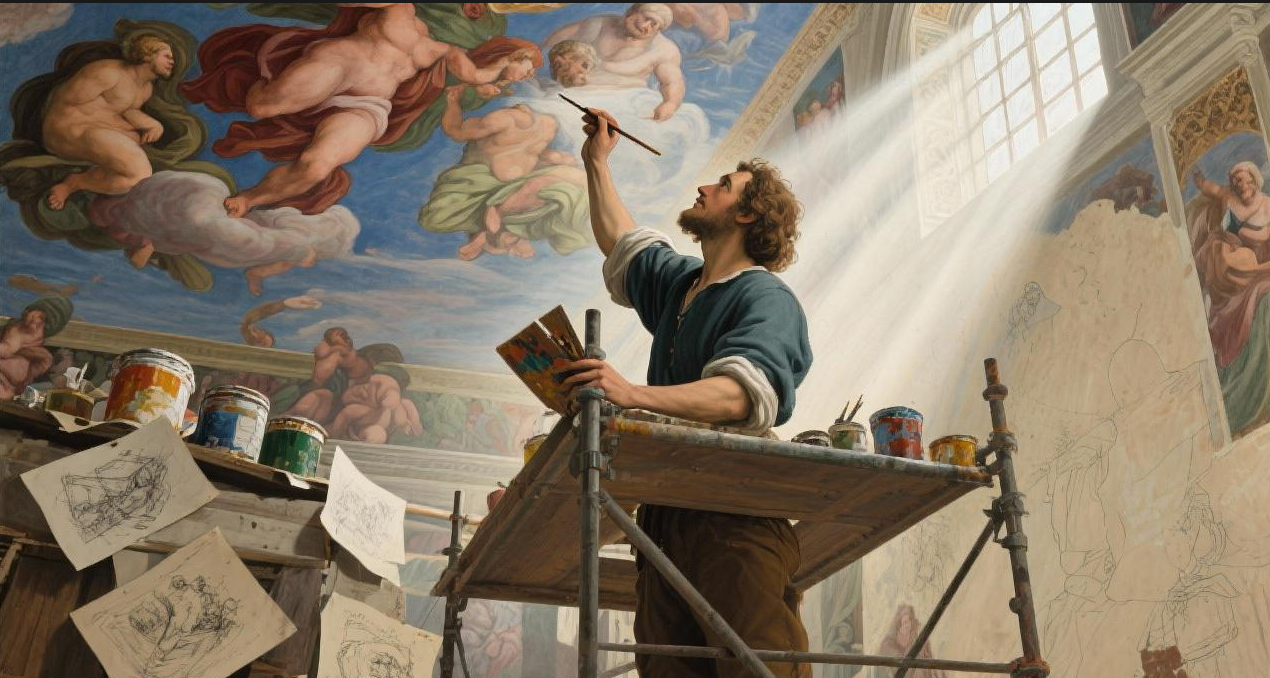
Michelangelo initially protested, “I am not a painter, I am a sculptor!” But the Pope’s insistence ultimately forced him to yield. This seemingly forced assignment became the pinnacle of his painting career.
Four Years of Solitude: The Birth of the Ceiling Painting
From May 1508 to October 1512, for four whole years, Michelangelo worked alone for most of the time on scaffolding 18 meters high. He designed a special platform that allowed him to paint while looking upwards. The damp plaster, dripping paint, constant pain in his neck, and the tense power struggle with the Pope constituted the difficult landscape of this creative period.
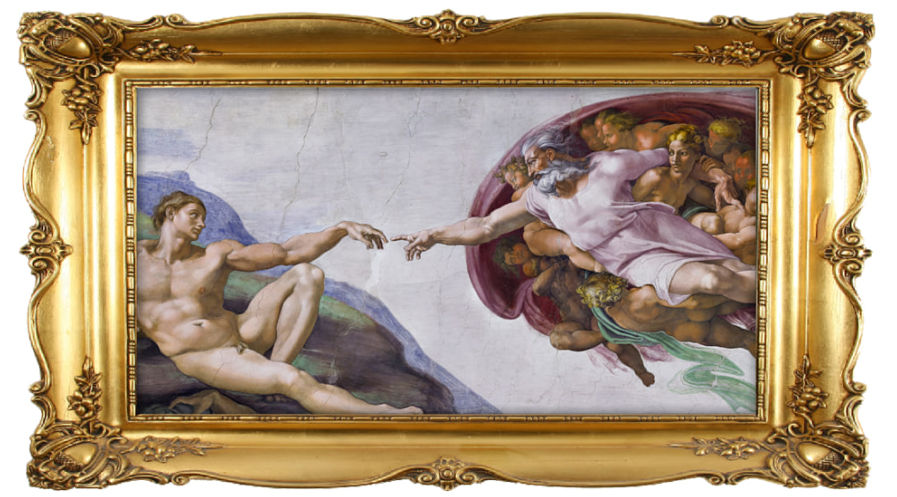
However, it was precisely this isolation and focus that gave birth to a miracle in art history. Michelangelo abandoned the traditional assistant model, personally painting more than 300 figures. He incorporated the three-dimensionality and power of sculpture into his painting; the moment when God and Adam’s fingertips were about to touch in “The Creation of Adam” has become one of the most iconic images in Western art.
A Masterpiece of His Later Years: *The Last Judgment*
In 1534, at the age of 59, Michelangelo returned to the Sistine Chapel, commissioned by Pope Paul III to paint *The Last Judgment* on the altar wall. By this time, he had experienced the vicissitudes of life; the impact of the Reformation, the death of a close friend, and a crisis of personal faith all left their mark on this work.
Unlike the orderly classical beauty of the ceiling frescoes, *The Last Judgment* is full of dramatic dynamism and emotional power. Christ is no longer the gentle savior, but a majestic judge, surrounded by blessed and cursed souls. The painting sparked as much controversy as it received praise; some even criticized the nude figures, saying they were “more suited to a bath than a church.”
Painting Concept: The Sculptor’s Brush
Michelangelo’s unique painting style stems from his sculptor’s perspective. He once said, “The closer a painting is to relief, the more it is considered a masterpiece.” This philosophy is vividly reflected in his works:
“Disegno” (design) above all else: He believed the soul of painting lay in conception and composition, with color merely secondary.
The ultimate expression of the human body: He regarded the human body as the highest vessel for emotion and spirit.
Dynamic tension: Even static scenes are imbued with an inherent sense of movement.
Legacy and Influence
Michelangelo died in 1564 at the age of 88. His achievements in painting are not limited to the works themselves, but more importantly:
He pioneered Mannerism: The distorted human figures and intense emotional expression in *The Last Judgment* foreshadowed the arrival of the Mannerist style.
He redefined the possibilities of fresco: He elevated fresco from wall decoration to a sublime expression of the spirit.
The transformation of the artist’s status: His persistence and struggle elevated the artist from craftsman to genius creator.
The integration of anatomy and art: His profound study of human anatomy influenced artists for centuries.
Michelangelo’s path to fame was an extraordinary journey from forced acceptance to artistic conquest. What he left on the Sistine Chapel ceiling was not merely religious imagery, but an enduring testament to human creativity. As he himself wrote in his poem:
“My eyes crave beauty,
My soul seeks the sublime,
Only art can satisfy both.”
More than five hundred years later, when countless visitors gaze upon the Sistine Chapel ceiling, they are still awestruck by its timeless power—this is Michelangelo’s immortal legacy to the world. His story tells us that true artistic breakthroughs often stem from challenges, and the greatest achievements are often born from the most reluctant beginnings.
Related Posts