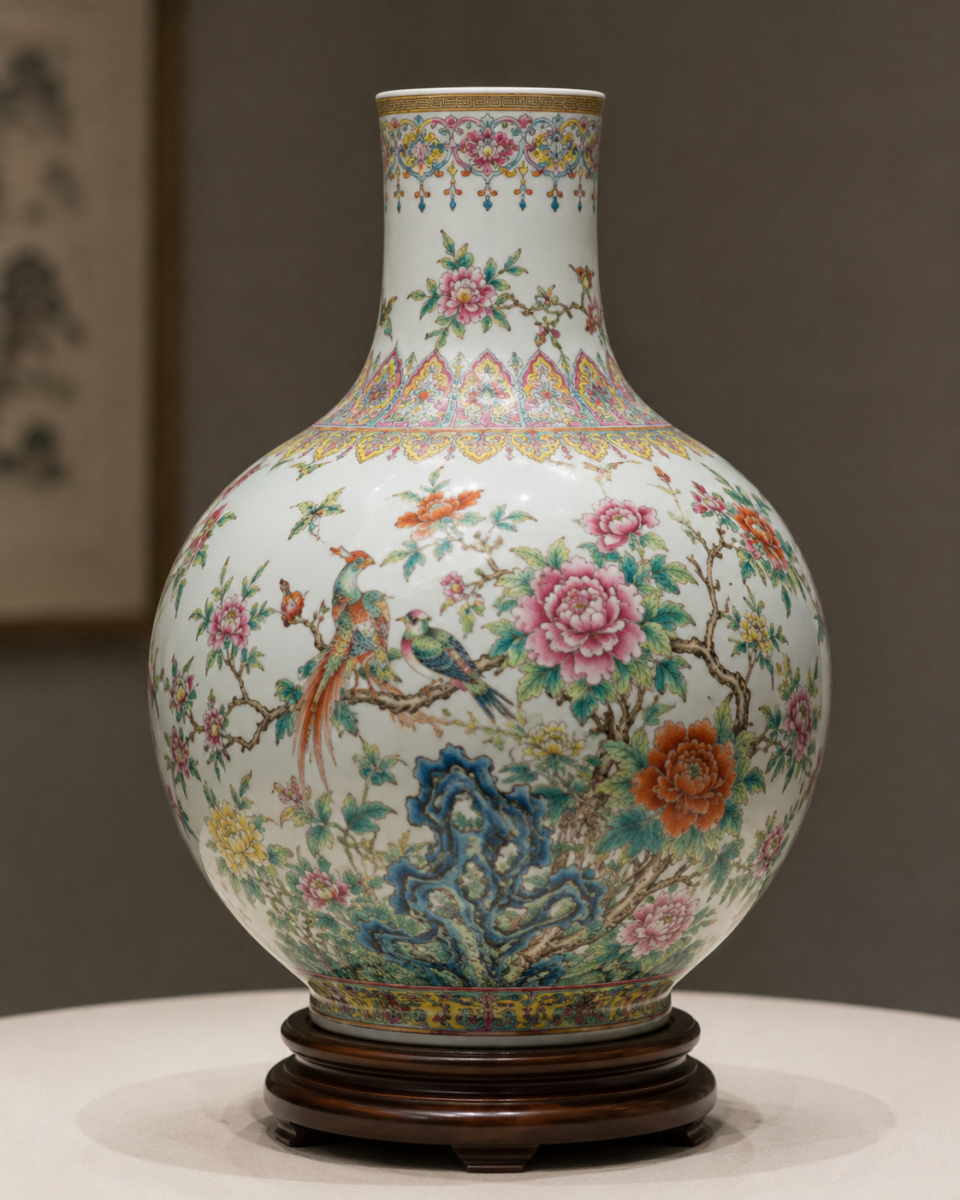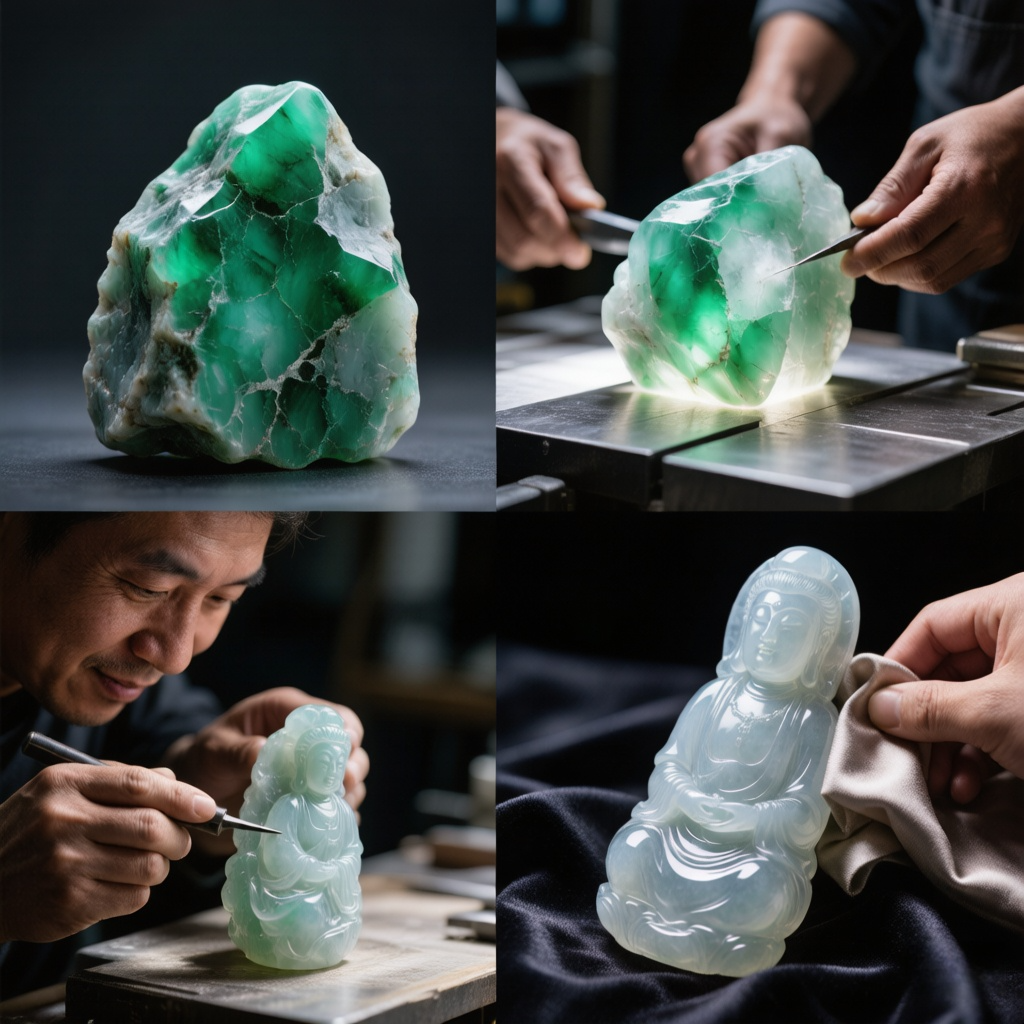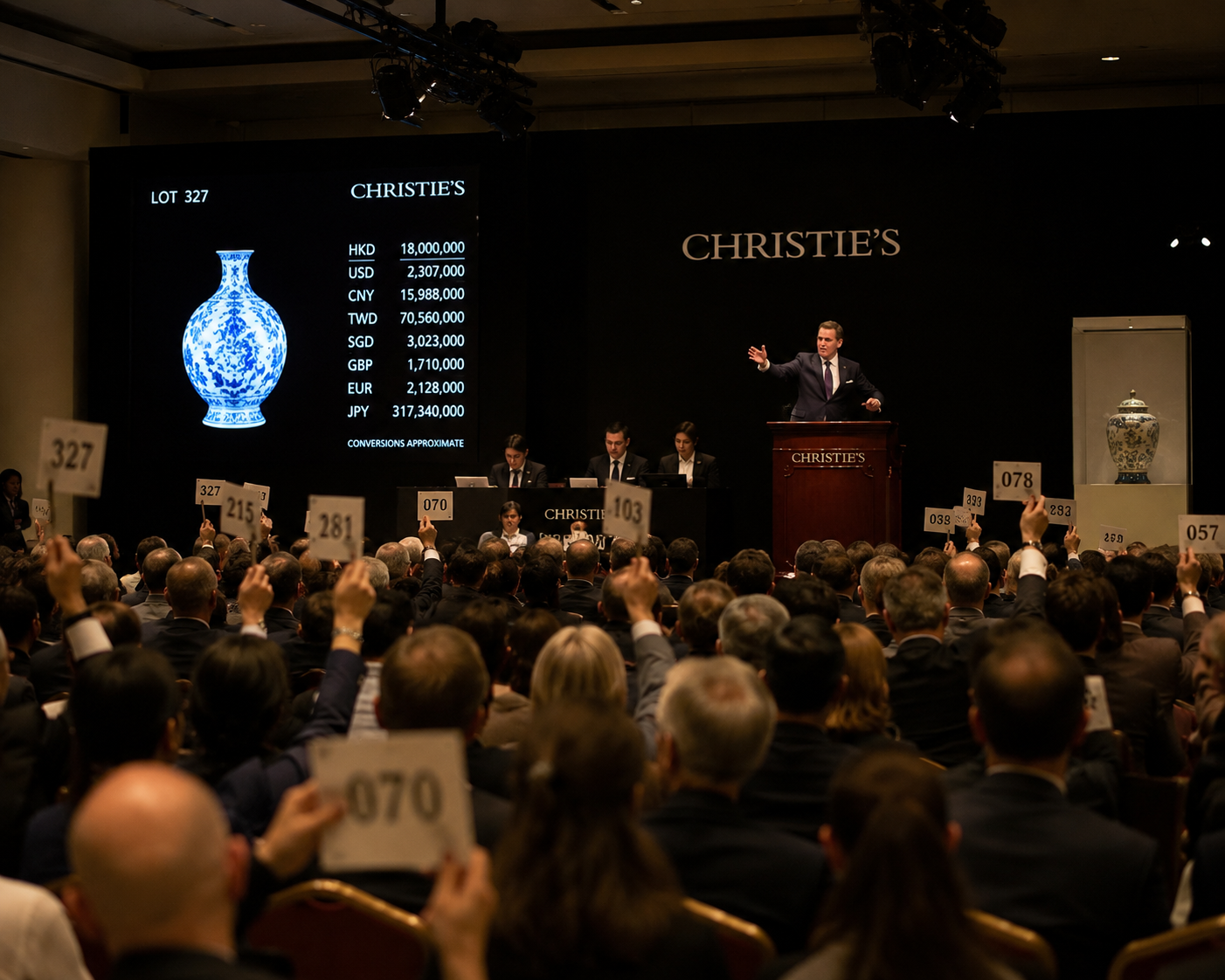
In recent years, as Chinese antique ceramics have continued to attract attention in the international…
Exploring Japanese Collections: The Cultural Thread
Exploring Japanese Collections: The Cultural Thread from Shōsōin’s Treasures to the Global Art Stage
When Japanese collections are mentioned, do you first think of those Oriental treasures that have circulated for millennia? From Chinese porcelain that crossed the seas during the Nara period to the world-renowned *Five Horses* painting at the Tokyo National Museum, Japan’s collection system is like a three-dimensional history of cultural exchange, hiding countless stories worth exploring. Today, let’s step into this thousand-year-old world of collections and see how it evolved from a local practice to a global presence that cannot be ignored in art history.
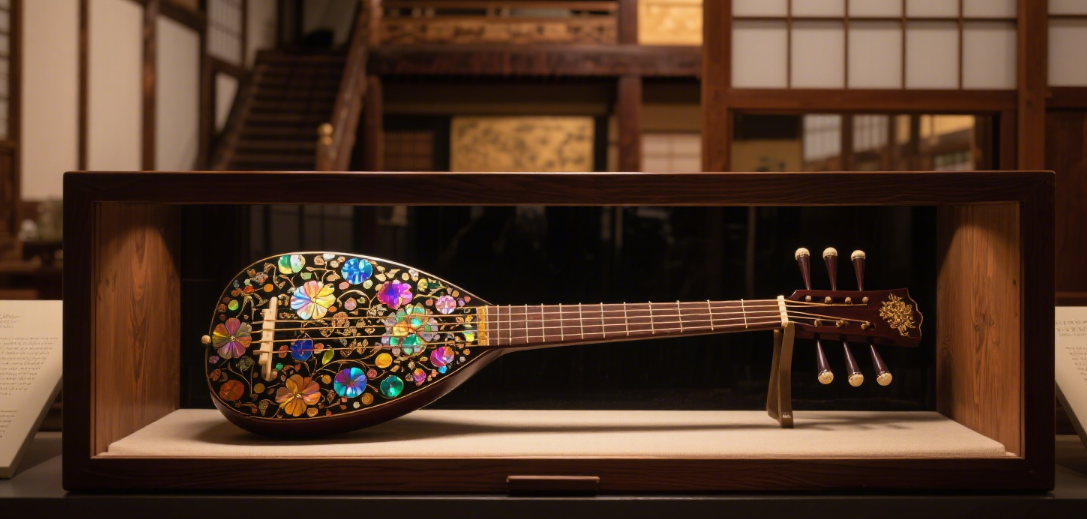
I. The “Cultural Hybrid” Hidden for a Millennium: The Legend of Shōsōin
If we were to name the “pinnacle” of Japanese collections, Shōsōin would undoubtedly deserve the title. This treasure house, built during the Nara period, houses over 650 relics belonging to Emperor Shōmu—preserved for an astonishing 1,260 years! What’s even more remarkable is that its collection can be described as an “ancient Silk Road mystery box”: a mother-of-pearl inlaid red sandalwood five-stringed pipa from India, “Ranjatai” (the “world’s finest incense”) from Southeast Asia, Persian gigaku masks, and a room full of gold and silverware and textiles modeled after the Sasanian Empire.
The preservation of these treasures is all thanks to Shōsōin’s “robust conservation techniques”: stilted architecture to isolate moisture and pests, a strict imperial sealing system to prevent frequent opening, and precise temperature and humidity control. Today, the annual “Shōsōin Exhibition” in autumn is a carnival for cultural heritage enthusiasts worldwide—after all, the chance to see peak Tang Dynasty craftsmanship up close is extremely rare!
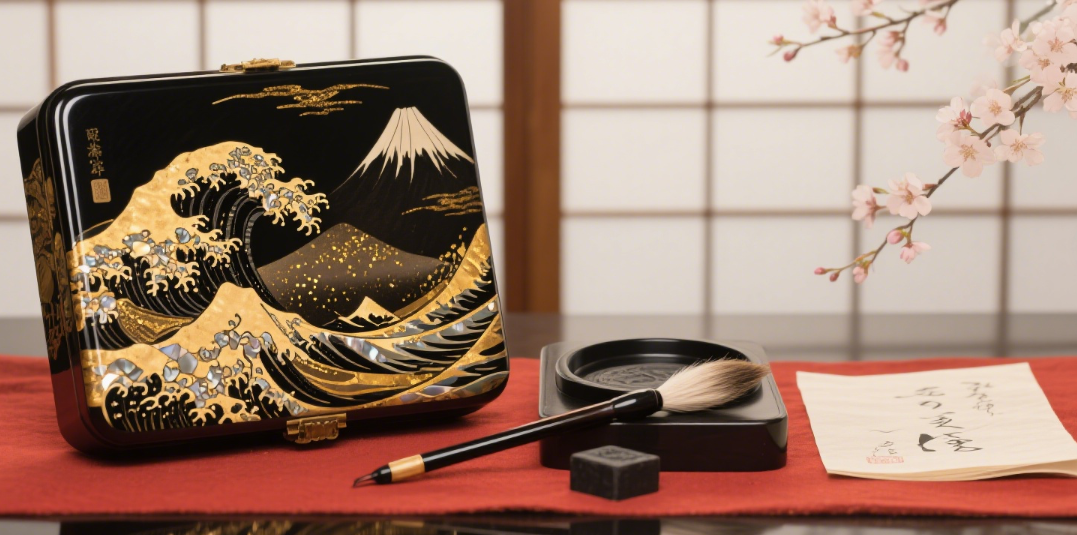
II. From “Tea Ceremony Utensils” to “Artistic Masterpieces”: Chinese Style in the Eyes of Japanese Collectors
Japan’s collection of Chinese art is nothing short of an “aesthetic evolution history.” During the early Nara and Heian periods, collectors favored Zen paintings and tea ceremony utensils that aligned with Japanese aesthetics—for example, after the Kamakura period, black porcelain from the Southern Song Dynasty’s Jian Kiln and Jizhou Kiln became “trendy items” sought after by nobles, as they were perfectly suited for the tea ceremony culture.
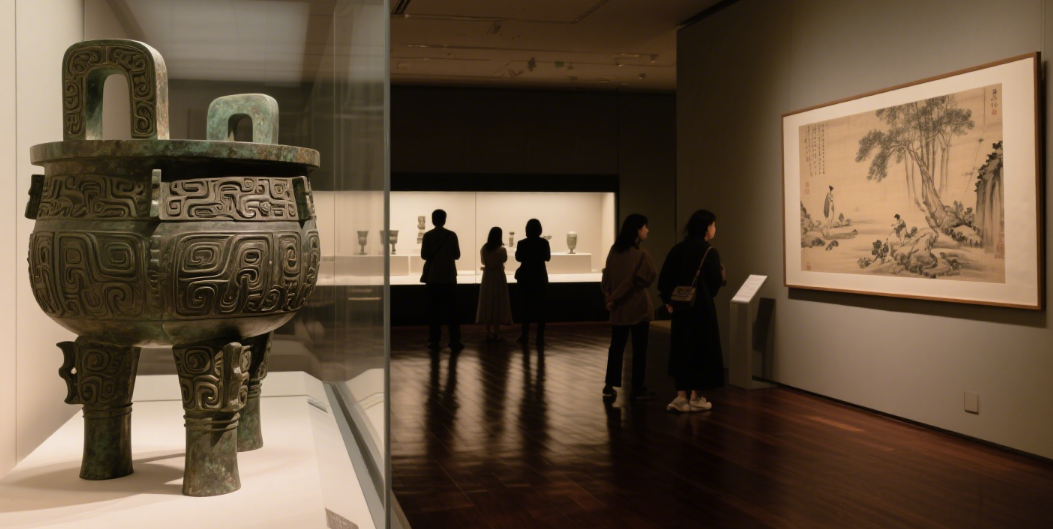
The Meiji period completely reshaped this landscape. With the rise of industrialists, “orthodox Chinese art” such as Shang and Zhou bronze ware and Northern Song ink paintings began to flow into Japan on a large scale. Take the Sumitomo family’s “Izumiya Bronzes” as an example: initially, they collected the Kui-patterned cylindrical you (a type of bronze vessel) for use as tea ceremony utensils, but later gradually shifted their focus to pursuing artistic value itself. Today, the Chinese cultural relics at the Tokyo National Museum—ranging from Shang and Zhou bronze ritual vessels to Ming and Qing paintings—virtually span the entire history of Chinese art. Even the long-hidden true appearance of Li Gonglin’s *Five Horses* was first unveiled here!
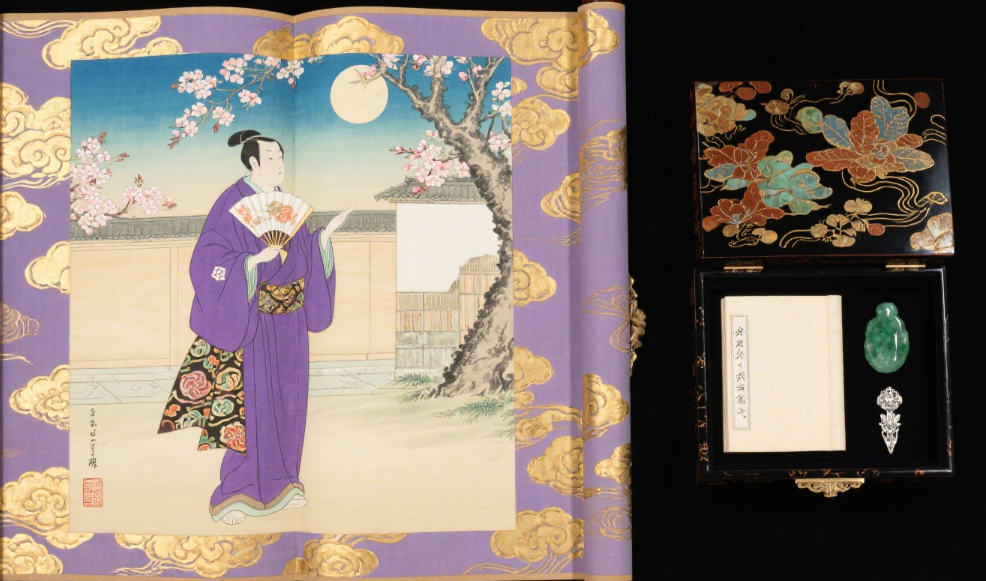
III. Beyond Chinese Style: The “Dual Splendor” of Japanese Local Collections
Japanese collections have never been limited to foreign artifacts; local cultural relics are equally stunning.
– Among ancient relics, Yayoi period pottery exudes a primitive simplicity, while the Buddha statues and murals of Hōryū-ji Temple witness the rooting of Buddhist art in Japan;
– Modern and contemporary art is even more diverse: Kaii Higashiyama’s paintings blend Japanese tradition with Western techniques, embodying a “serene aesthetic”; Yayoi Kusama’s polka-dot pumpkins are not only globally famous but also “fan favorites” among Japanese collectors.
From Jōmon period earthenware to contemporary installation art, Japan’s local collections form a clear timeline that weaves together its cultural genes.
IV. From Collection to Influence: How Did Japan Step onto the Global Art Stage?
Today, Japanese collections are no longer just about “appreciating treasures behind closed doors”; instead, they are “players” deeply involved in the global art ecosystem.
In international auction houses, Japanese collectors often make “game-changing moves”—at the Fujita Art Museum Special Exhibition at Christie’s New York in 2017, Chen Rong’s *Six Dragons* from the Southern Song Dynasty fetched a sky-high price, showcasing the strength of Japanese collectors. Their persistent love for Song Dynasty porcelain has even directly influenced global collection trends and price movements for such pieces.
More notably, Japanese scholars’ research on cultural relics can be described as a “combination of technology and humanities”: using CT scans to examine Tang Dynasty porcelain, 3D modeling to reconstruct ancient architectural details, and X-ray fluorescence spectroscopy to analyze bronze compositions… These innovative methods have opened up new perspectives for global art history research.
## Final Thoughts: The Essence of Collection Lies in “Cultural Inheritance”
What makes Japanese collections most touching is never the “sky-high prices” of the artifacts, but the “logic of inheritance” behind them—Shōsōin guards the memories of Silk Road civilization, the Sumitomo family’s collection embodies reverence for art, and the national museum network brings cultural heritage “to life.”
After reading this, do you have a new understanding of Japanese collections? If you ever have the chance to visit Japan, why not take a trip to the Toyo Gallery at the Tokyo National Museum, or wait for the annual Shōsōin Exhibition—I believe that, like me, you will read the thousand-year-old cultural resonance in those gentle artifacts.
Related Posts