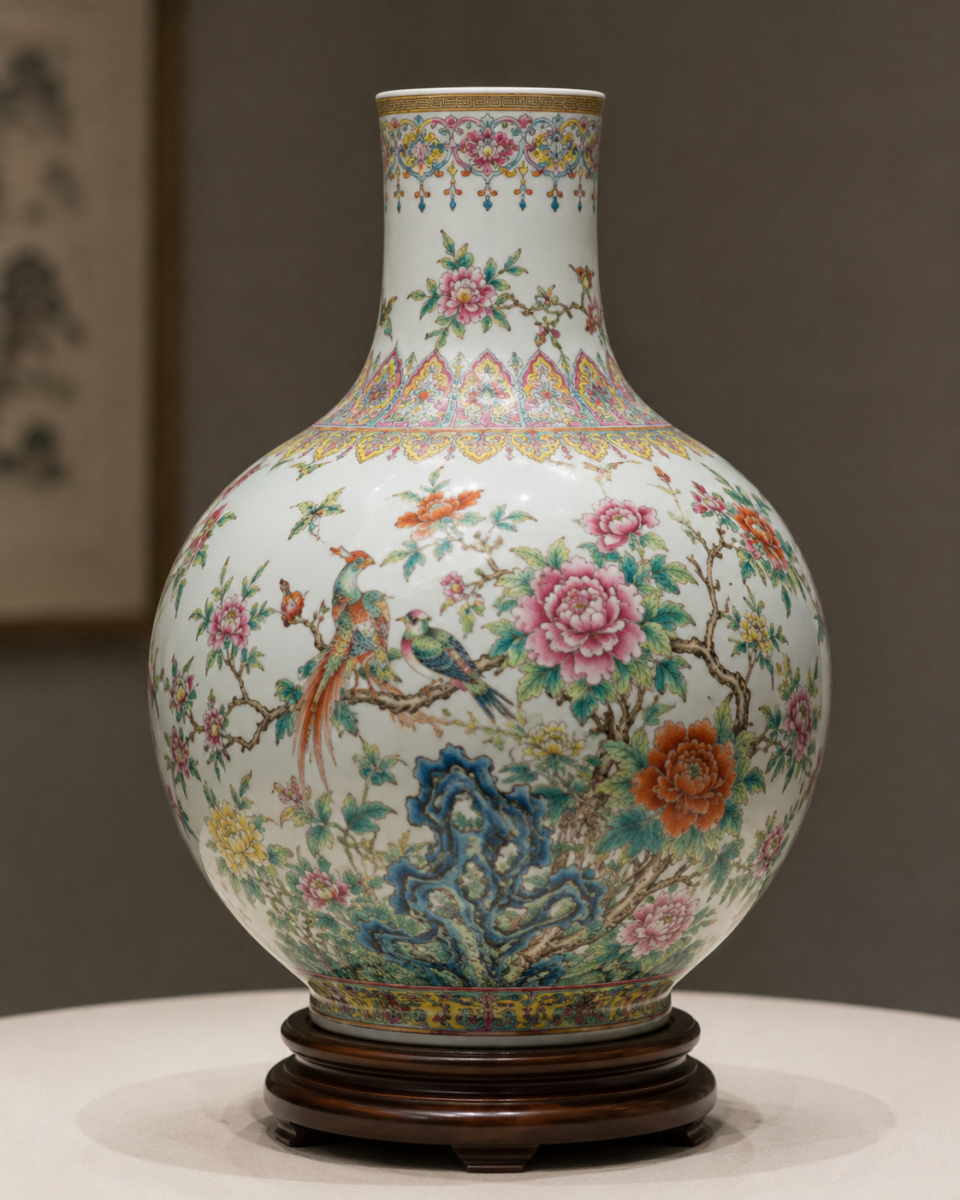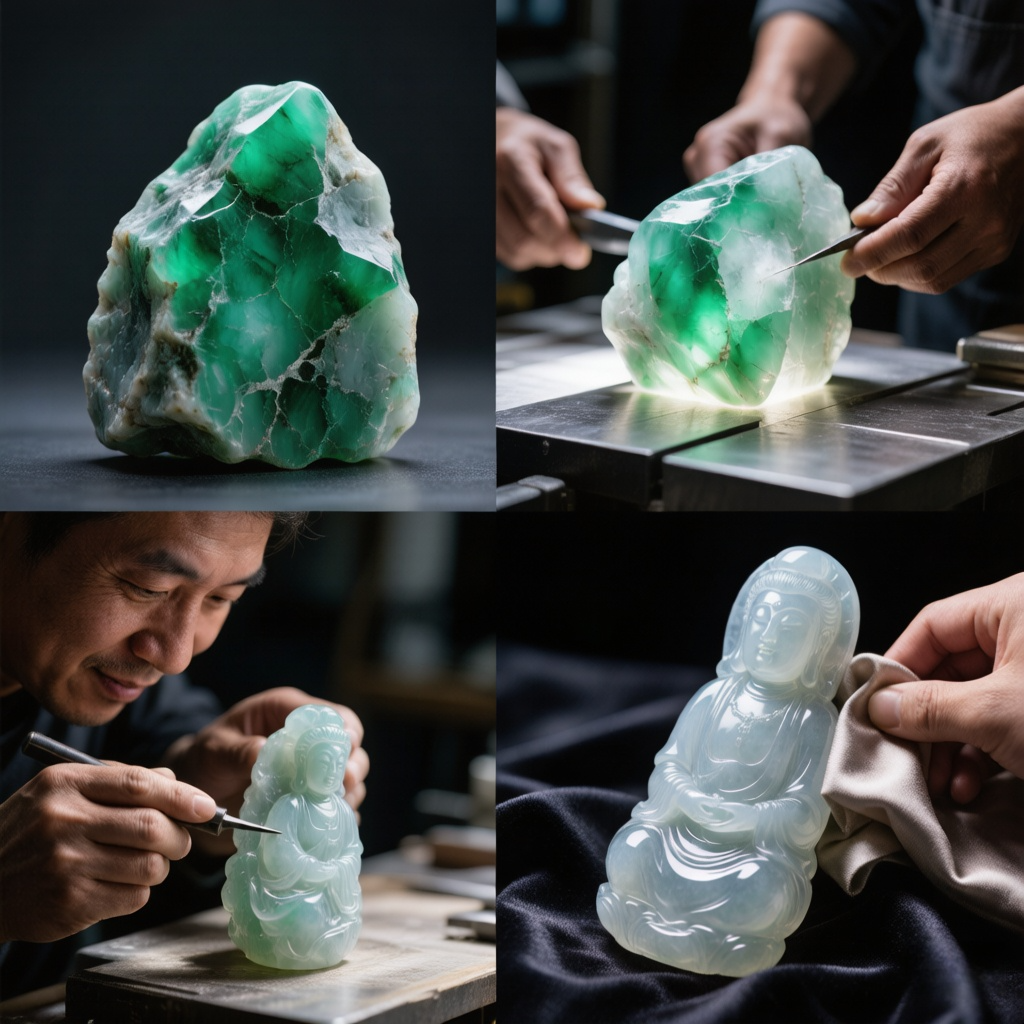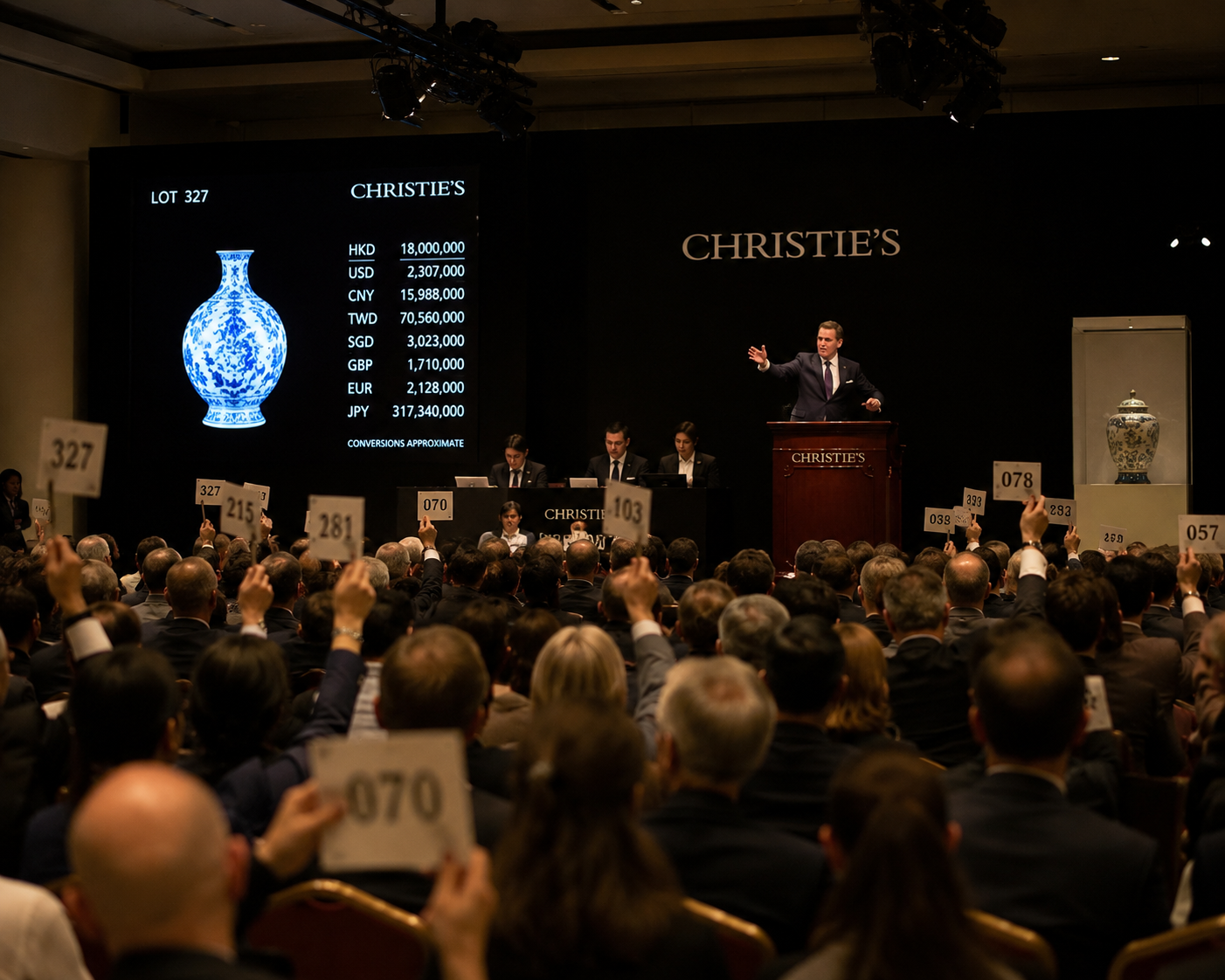
In recent years, as Chinese antique ceramics have continued to attract attention in the international…
A Recent Look at Japan’s Art Auction Market: Where Traditional Patterns Meet Modern Energy
As the global art market continues to heat up, traditional Japanese art and modern works are captivating international collectors with remarkable intensity. In 2025, masterpieces by ukiyo-e masters, tea ceremony utensils, and contemporary crafts all made striking appearances at auction, fetching high prices and generating widespread discussion—showcasing the enduring allure and vitality of Japanese culture on the global stage.
1. The King of Ukiyo-e: Hokusai’s Under the Wave off Kanagawa Sets a New Record
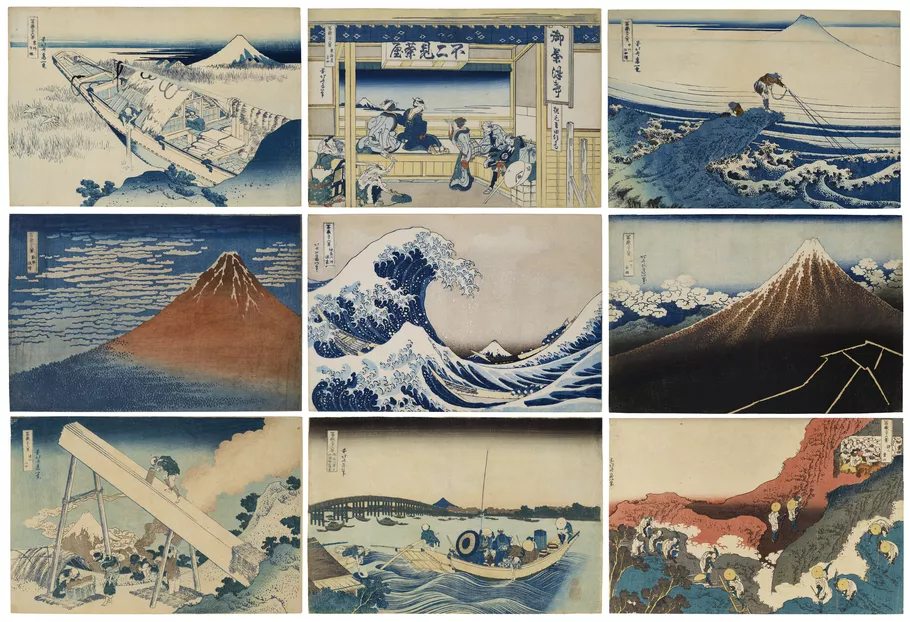
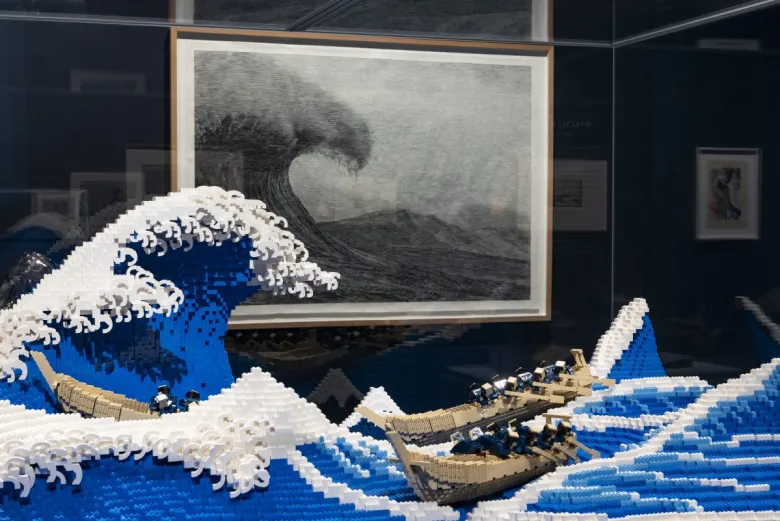
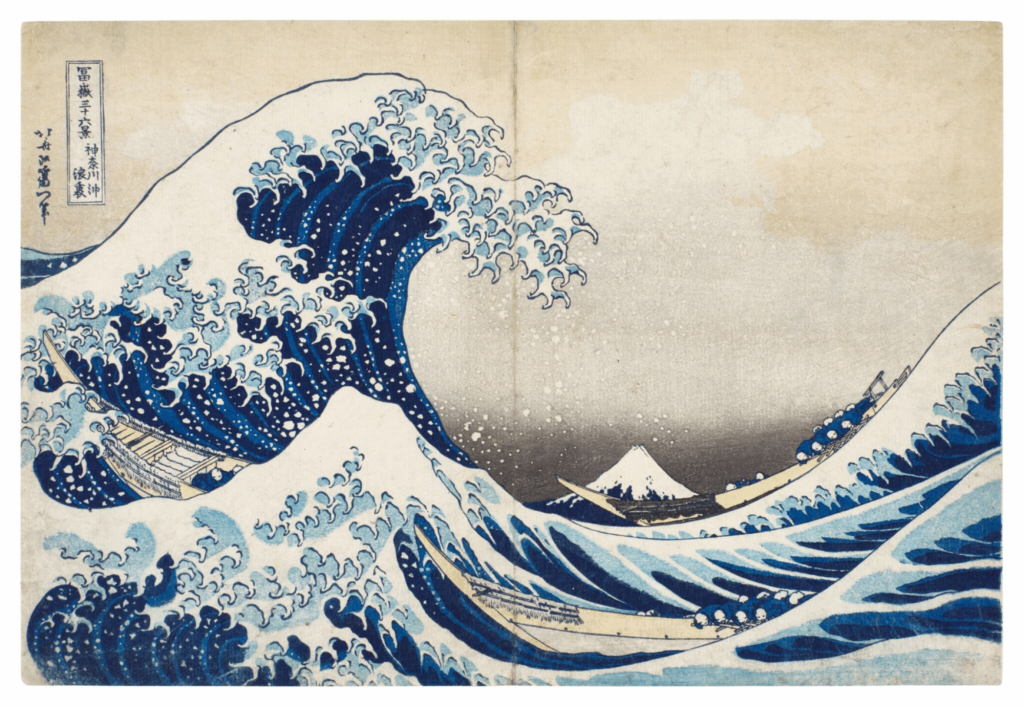
On July 8, 2025, Dreweatts held its annual “Japanese Prints: Art of the Woodblock” auction at Pall Mall in London, attracting collectors from around the world eager to compete for classic ukiyo-e works. The highlight of the evening was Katsushika Hokusai’s masterpiece Under the Wave off Kanagawa, which sold for an impressive £378,200 (including premium), fully demonstrating the global enthusiasm and recognition for this iconic image.
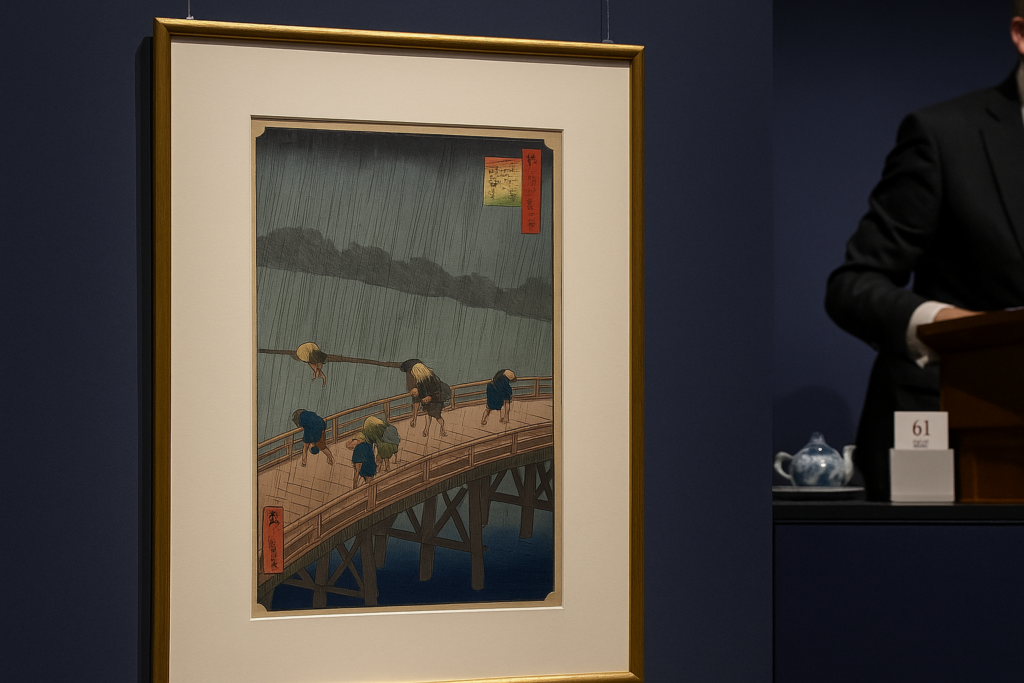
Other notable ukiyo-e works also achieved strong results, such as Utagawa Hiroshige’s Suruga Yui Coast and Rain at Shin-Ōhashi Bridge and Atake, which sold for approximately £13,970 and £53,120 respectively. Utagawa Kuniyoshi’s Tametomo and His Retainers Sending Off the Former Emperor to Sanuki fetched around £27,920, reflecting the diverse demands of the market.
The auction concluded with a total sales value of £726,695, with nearly all lots enthusiastically pursued by bidders.
2. Chinese Ceramics and Asian Art: The Market’s Enduring Vitality
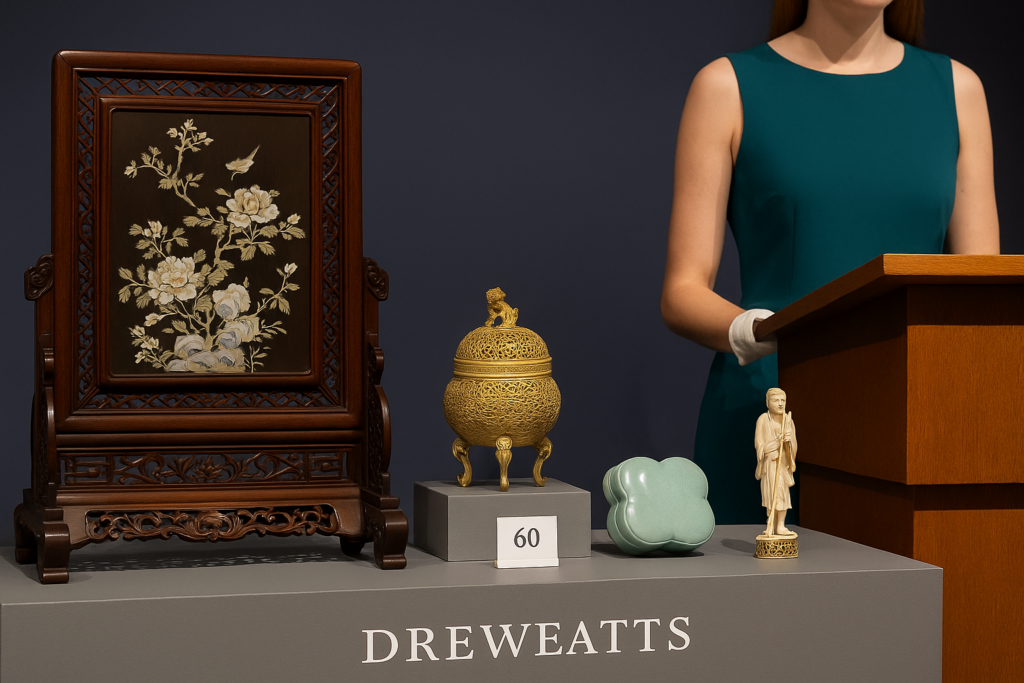
At Dreweatts’ “Chinese Ceramics & Works of Art” auction held on May 21–22, 2025, Chinese Ming and Qing porcelains, enamels, jades, and other works of art drew widespread attention from international collectors. The sale achieved a total revenue of £2.29 million—approximately 276% of the pre-sale estimate—with an unsold rate of only about 13%.
Highlights included a zitan and huanghuali inlaid screen gifted by Empress Dowager Cixi, which sold for £53,950; a 15th–16th century filigree inlaid incense burner at £47,700; and a pale turquoise quatrefoil box at £38,950. These impressive results underscore the continued upward trend in demand for Chinese artworks within the broader wave of interest in Asian art.
While most of the lots were Chinese cultural relics, the auction also included other Asian artworks from Japan and India, further highlighting the growing fusion and exchange within the Asian art market.
3. Market Trends: The Parallel Rise of Classical and Cross-Border Collecting
From Dreweatts to Christie’s and Sotheby’s, top-tier ukiyo-e prints and Japanese crafts continue to exceed market expectations. During Christie’s Asia Week in 2024, the total sales for Japanese and Korean art reached $4,241,160. Among these, Katsushika Hokusai’s Under the Wave off Kanagawa achieved a remarkable hammer price of $856,800, far surpassing its estimate. Other successful lots included works by Hiroshige and modern and contemporary Japanese prints, many of which sold for over 150% of their estimated values.
These figures indicate that while contemporary Japanese art has yet to fully dominate the global mainstream auction market, the international stature of ukiyo-e and traditional crafts remains promising and continues to grow.
4. Cultural Value and Collecting Logic
Whether it is ukiyo-e, tea ceremony utensils, ink paintings, or porcelain, these artworks carry unique cultural symbols and historical contexts that make them irreplaceable in the market. International collectors show a strong interest in Japan’s visual traditions, meticulous craftsmanship, and deep cultural heritage, resulting in highly competitive bidding.
At auction, the value lies not only in the artistic merit but also in the global influence of these visual symbols, the recognition of cultural identity, and the cross-disciplinary awareness driving collecting trends. Especially for works like Under the Wave off Kanagawa, they serve not only as icons of ukiyo-e but also as global emblems of respect for and dissemination of Japanese visual tradition.

5. Future Outlook: The Integration of Online Platforms and Contemporary Japanese Art
There are two major directions worth watching for the future of the Japanese art auction market:
The continued rise of online auction platforms: More collectors from Asia, North America, and Europe are participating in auctions via the internet, making cross-border movement of artworks more frequent and convenient.
A balanced focus on modern Japanese art and traditional crafts: While ukiyo-e remains a central highlight, modern artworks, contemporary design, and experimental art are gradually gaining attention. Platforms such as SBI Art Auction are introducing dedicated contemporary art sales, promoting the integration of modern Japanese art into both domestic and international collecting systems.
Conclusion: Tradition and Trends on the Auction Stage
The Japanese art auctions of 2025 undoubtedly reflect the dynamic interplay between tradition and modernity, as well as the interaction between East and West. Ukiyo-e continues to captivate global attention as a powerful cultural symbol, while the broader Asian craft auction market reveals a deep cross-cultural interest and strong collecting momentum behind these artworks.
In this globalized context, every paddle raised and every successful bid signifies more than just a change in ownership — it represents the transmission and resonance of cultural symbols in a new era. Looking ahead, we may see an even more diverse range of Japanese artworks at auction — not limited to the classic impressions of Hokusai and Hiroshige, but also encompassing modern painters, contemporary craftsmen, fashion designers, and digital artists, merging into entirely new expressions.
Related Posts