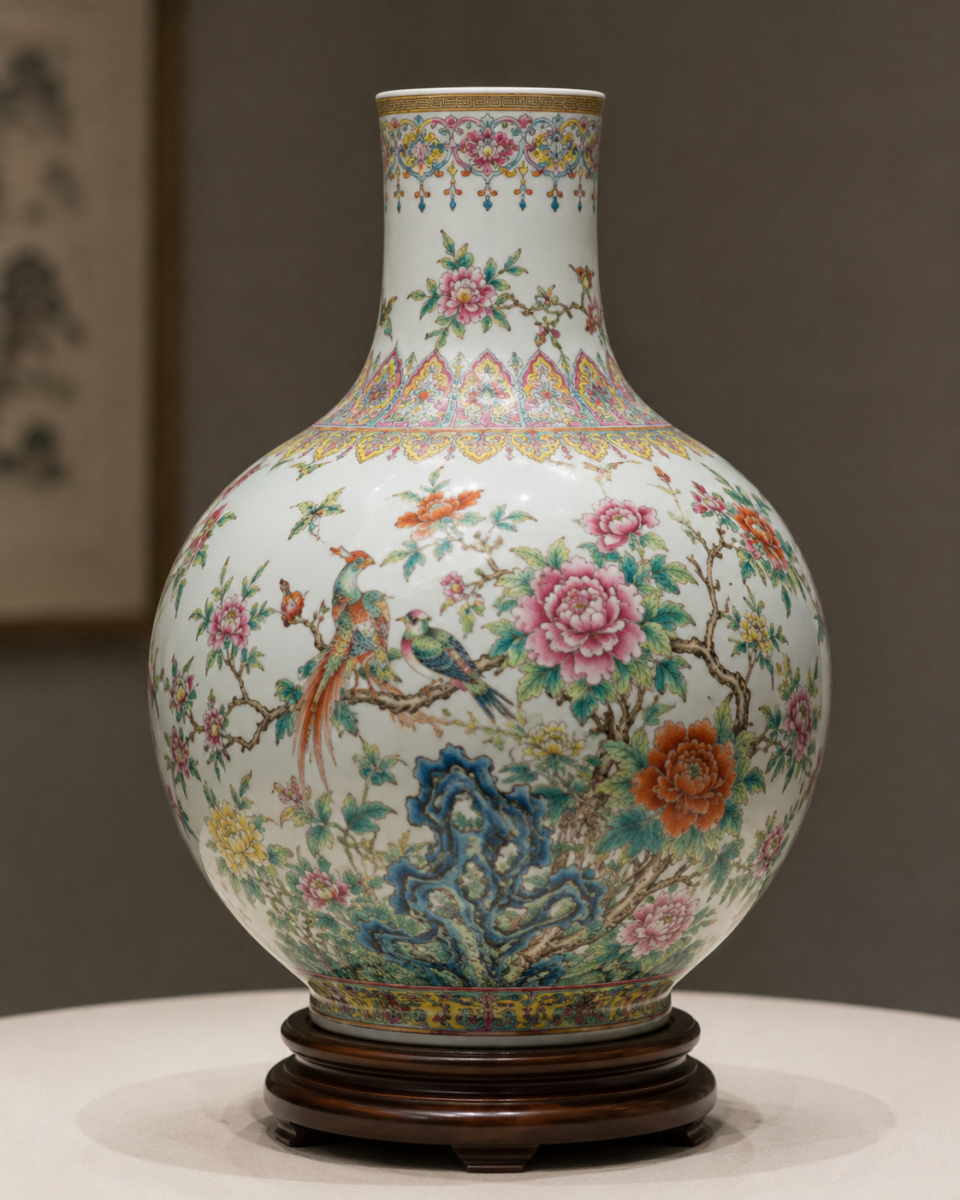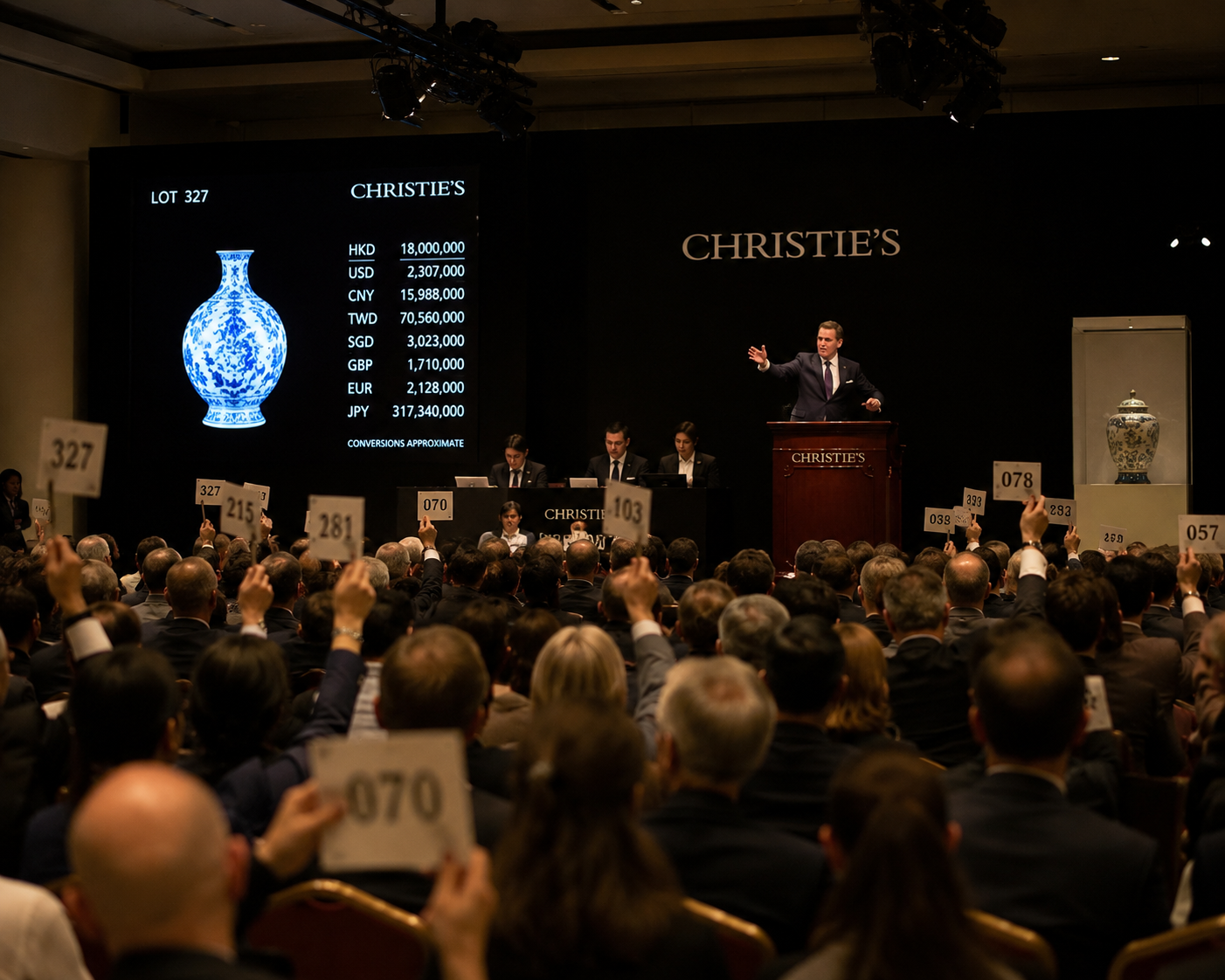
In recent years, as Chinese antique ceramics have continued to attract attention in the international…
Exploring the Origins and History of Auctions
2. Early Modern Europe: The Institutionalization and Rise of the Auction Industry
In early modern Europe, auctions gradually evolved from scattered customs into organized commercial activities. Between the late 17th and 18th centuries, the early forms of auction houses began to appear in countries such as England, the Netherlands, and France. Around 1660, England already held auctions for decommissioned ships; in 1689, auctions of artworks and manuscripts began; and by 1739, real estate auctions had emerged.
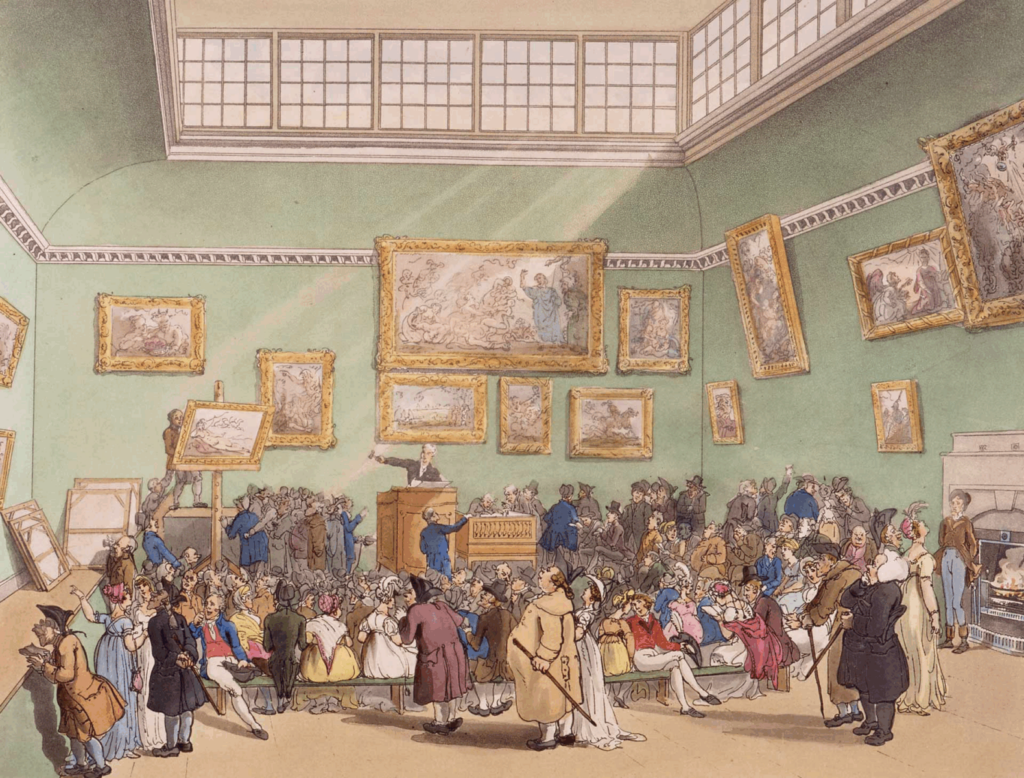
In 1744, Sotheby’s held its first auction in London, featuring a nobleman’s library, which fetched about £800. Shortly afterward, in 1766, Christie’s entered the scene with its inaugural sale of 89 items from a noble estate, achieving a total of around £176. With the establishment of auction institutions, the range of items offered and the procedures for service became standardized. Auctions grew into an important channel for the circulation of literature, art, real estate, and even government-owned property.
3. North America and China: From Colonial Roots to the Birth of the Modern Market
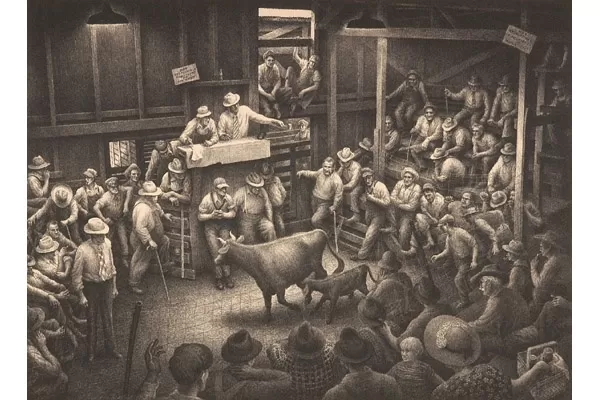
In the North American colonies, auctions also played an important role. By the mid-17th century, land auctions were already taking place in New Amsterdam (present-day New York) under Dutch rule. In 1717, Boston saw its first book auction. The American auction industry experienced a large-scale boom during the Civil War, when the auctioning of war spoils became popular, giving rise to the professional title of “auctioneer.”
China’s modern auction industry began in the late Qing Dynasty. In 1874, a British auction house established Louiessmoor Auction House in Shanghai, marking the country’s first auction firm. After the policy of Reform and Opening Up, China’s auction sector gradually revived and flourished, leading to the emergence of well-known institutions such as China Guardian and Poly Auction.
4. Since the 20th Century: Diversified Formats and the Online Revolution
In the 20th century, both the forms of auctions and the range of items offered expanded dramatically. Artworks, collectibles, real estate, second-hand furniture, vehicles, land, and even private islands entered the auction market. At the same time, auction procedures became increasingly professional, with practices such as pre-auction exhibitions, reserve price setting, and auctioneer training becoming standard.
The most disruptive change, however, came with the advent of the internet. In 1995, eBay went online, bringing auctions into millions of households and ushering in the era of global online bidding. Although in recent years some platforms have shifted toward fixed-price sales, the auction format continues to attract both buyers and sellers with its dynamic bidding process and engaging sense of participation.
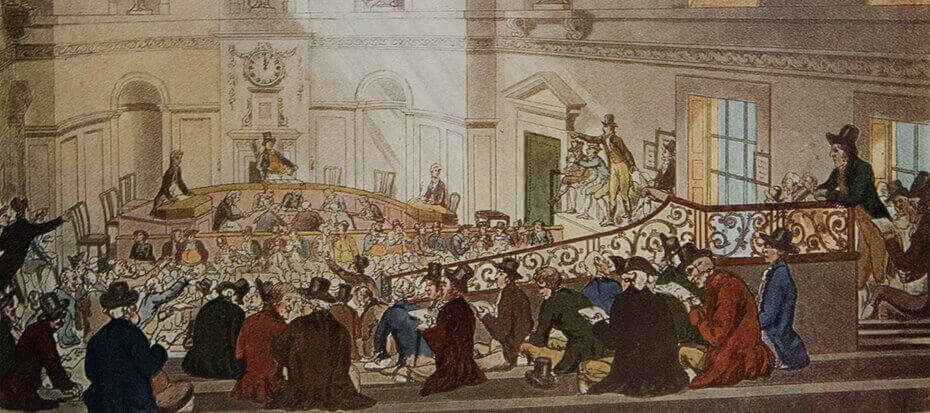
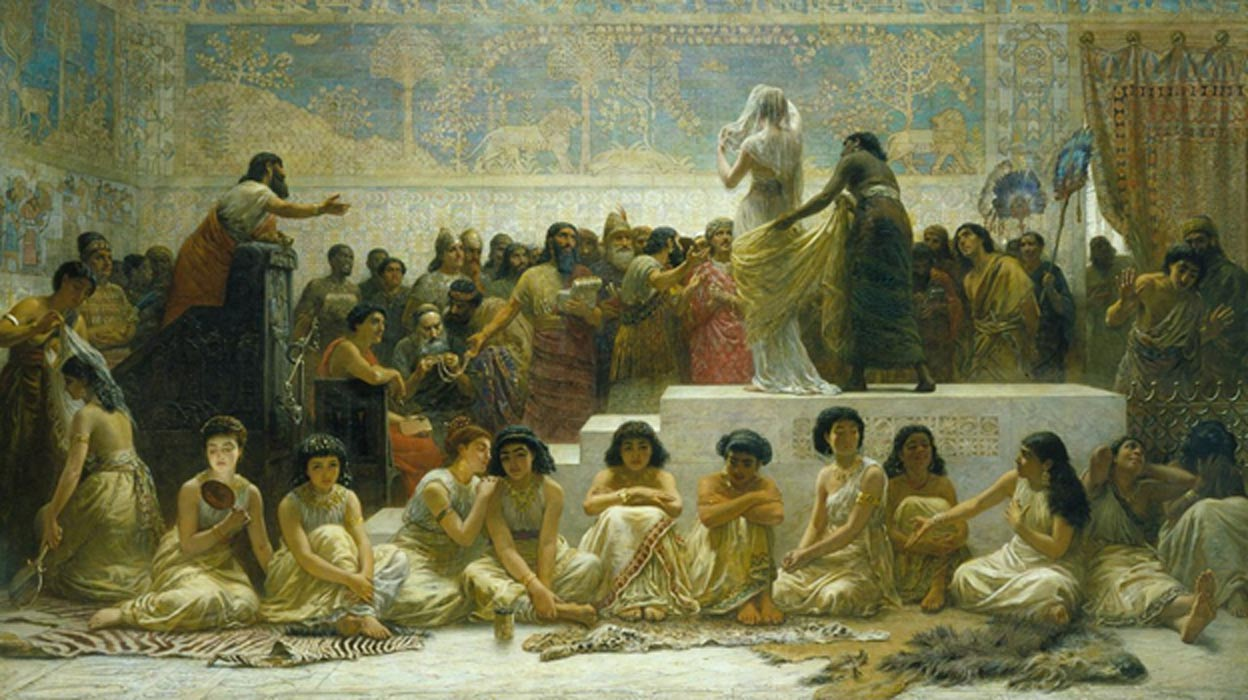
From the “bride auctions” of ancient marriage markets to the modern-day bidding wars for artworks across borders, the history of auctions reflects humanity’s continuous pursuit of fairness, competition, and refined market mechanisms. Today, whether it is the decisive fall of the gavel in a physical auction room or the intense bidding on an online platform, auctions remain a vital bridge connecting traders and conveying value.
Related Posts