In recent years, as Chinese antique ceramics have continued to attract attention in the international…
Above time, all things have a voice.
In the long river of time, antiques are never just objects; they are more like voices sculpted by the years. Silently displayed, yet whispering in silence.
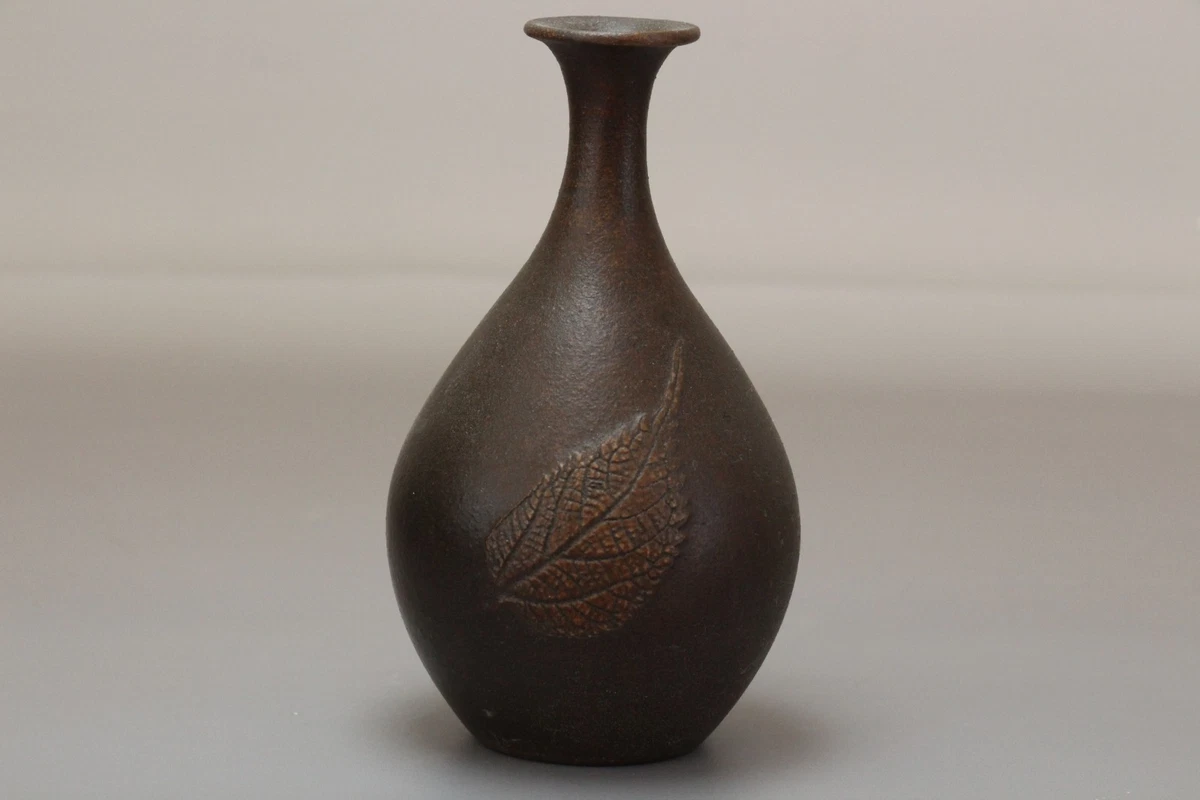
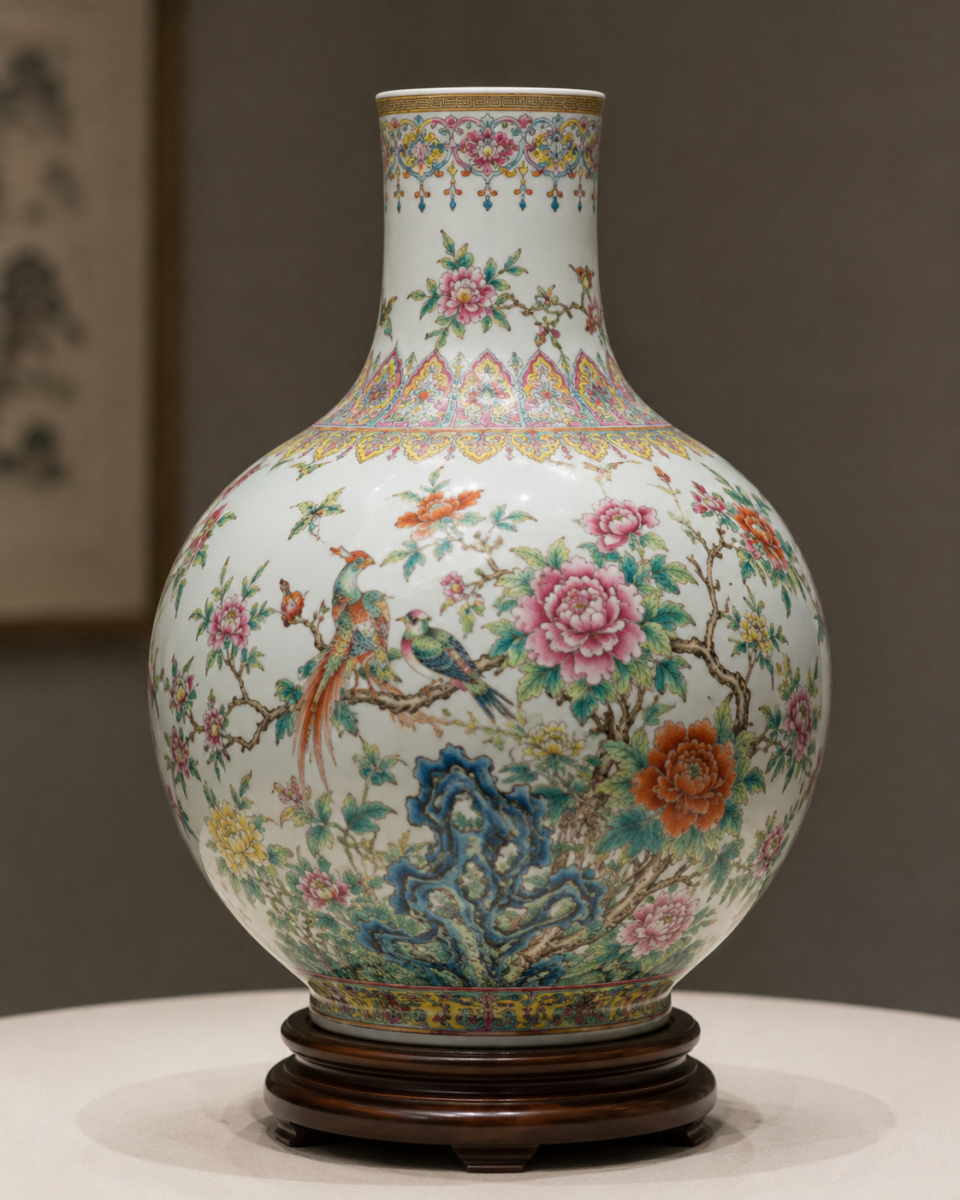
An old porcelain vase, its glaze warm and lustrous, its edges slightly worn. Some say it’s the mark of time, but if you listen closely, you can almost hear the crisp sound of it being gently placed on a table. Perhaps on a quiet afternoon, an owner gazed at it, bamboo shadows swaying outside the window; perhaps in a more distant era, it traveled with caravans, the wind and sand mingling with the rhythm of camel bells. The porcelain is silent, but its voice endures.
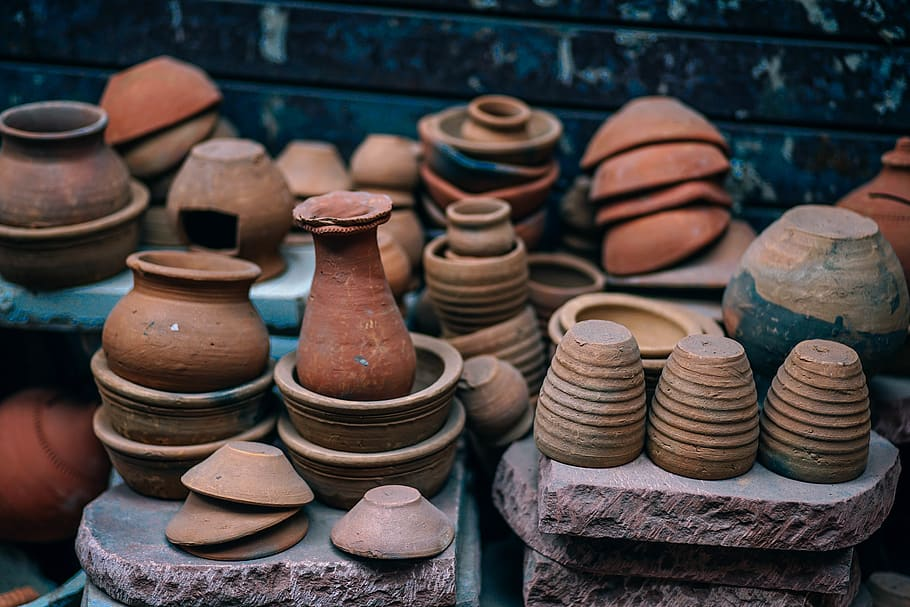
Bronze is no exception. Beneath the mottled rust lies the echo of once-fiery fire and hammer blows. Each pattern is like a frozen rhythm, recording the rise and fall of the craftsman’s breath and the strength of his wrist. The moment you touch it, it is cool and serene, but in the depths of your imagination, you can hear the echoes of the furnace fire and the clash of metal, the lingering warmth of a thousand years ago.

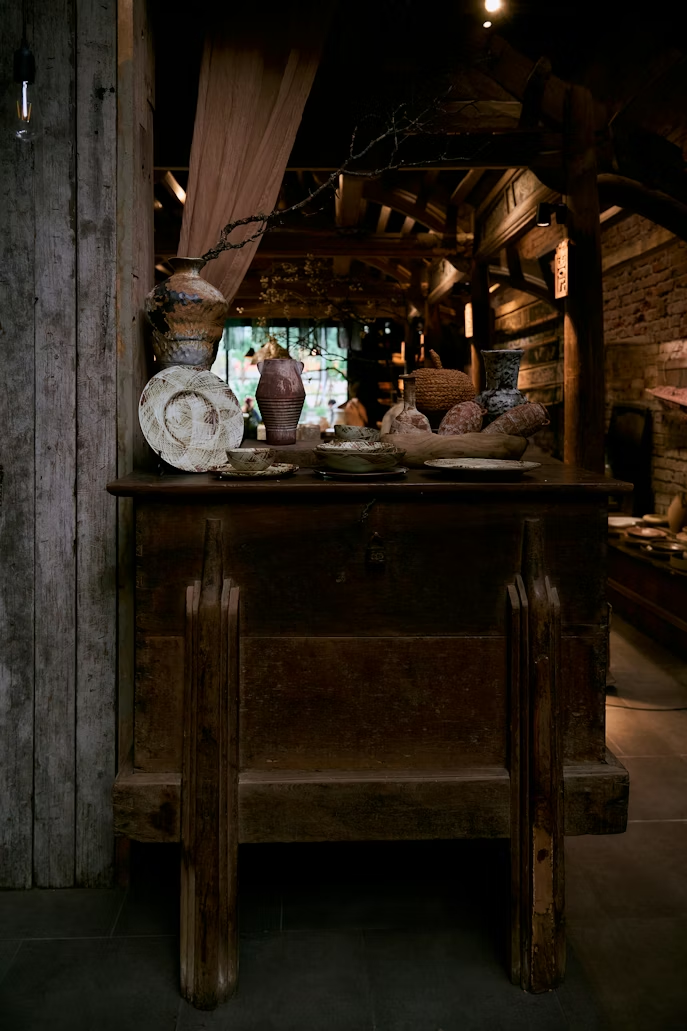
Wooden objects, on the other hand, whisper a gentler melody. The edges of the table are repeatedly caressed by the palm of the hand, leaving a delicate sheen. It’s not just simple wear and tear, but the accumulated marks of countless daily experiences: the soft rustling of turning pages, the gentle sound of teacups falling, the silent companionship in the flickering lamplight. Wood has texture, and it has memories; every inch holds the echoes of life.
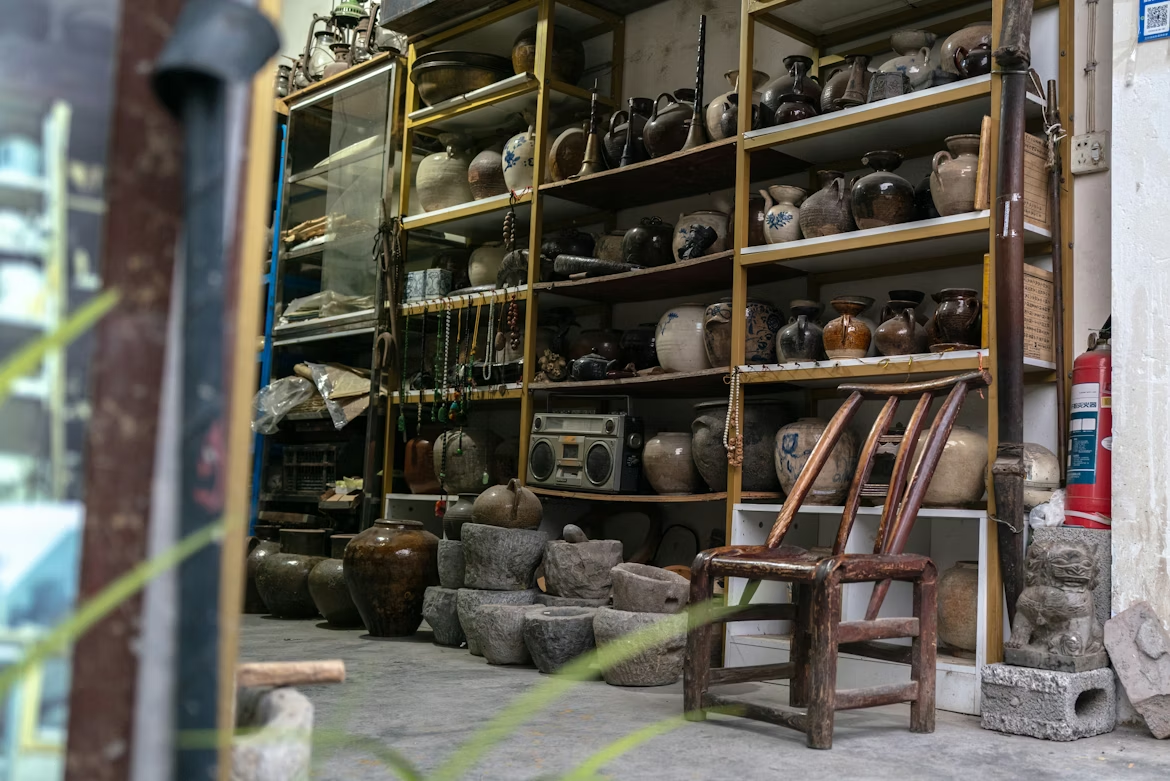
Calligraphy and painting are another kind of sound of time. The ink dries on the paper, and the pauses and breaks in the brushstrokes are like the rhythm of a heartbeat. The breath taken when putting pen to paper, the moment of concentration, the rise and fall of emotions—all are condensed in each stroke. When you observe quietly, you seem to hear the sounds of the wind and rain of yesteryear, and even the sighs and joys in the artist’s heart.

The allure of antiques lies not in their price or rarity, but in the “sounds of time” they carry. They have experienced use, preservation, oblivion, and rediscovery. Each change of ownership adds a new echo, making their “voice” ever deeper.
We, standing in the present, may seem to possess them, but in reality, we are merely temporary guardians. What truly belongs to them is the long and ever-flowing river of time. And all we can do is, in a fleeting moment, quiet our minds and listen to the whispers emanating from these silent objects.

Related Posts