In recent years, those following the international auction market may have noticed an interesting phenomenon:…
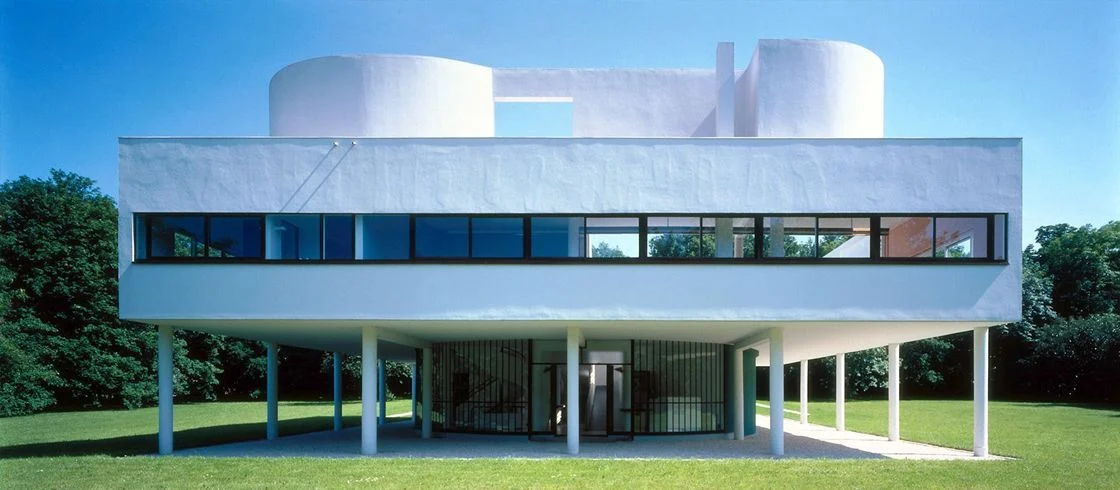
Facade shaped by light and shadow
A building’s facade is never a static surface. In great architecture, it’s more like a photographic negative, recording the movement of light and the passage of time. It is light and shadow that detach the facade from the structure, making it an object that can be repeatedly examined.
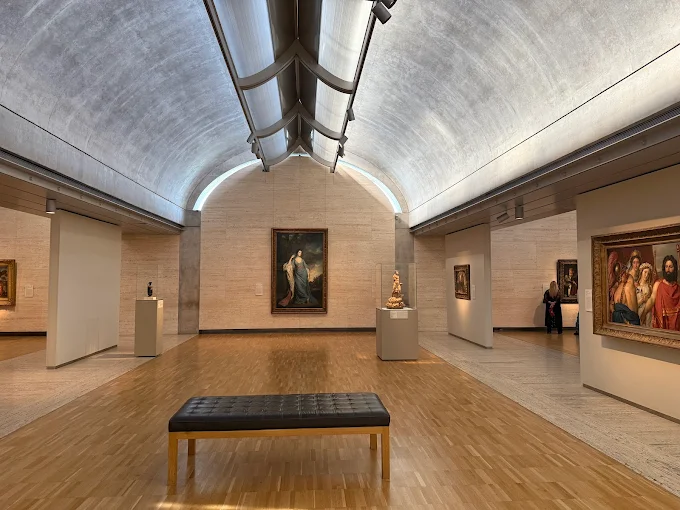
Louis Kahn’s architecture is the most devout response to light. In the Bangladesh Parliament Building, the heavy concrete facade does not strive for lightness, but rather allows light to enter in an almost ritualistic way through geometric openings. Under the daylight, deep shadows carve a clear rhythm on the facade, making the building appear solemn and introspective. Light here is not decoration, but order itself.
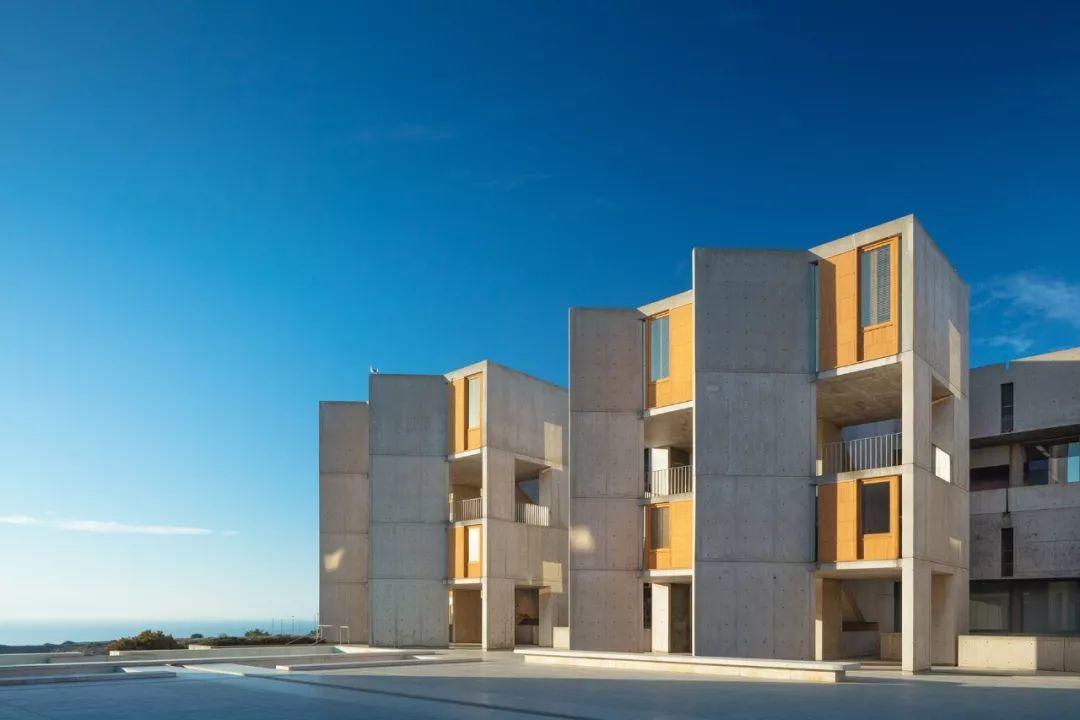
Le Corbusier, on the other hand, used light and shadow as tools in the construction of the facade. The walls of the Ronchamp Chapel are irregularly undulating, and the windows vary in size, creating ever-changing patches of light and shadow on the facade. The facade is no longer a rational grid, but a kind of emotional skin that breathes with the passage of time.
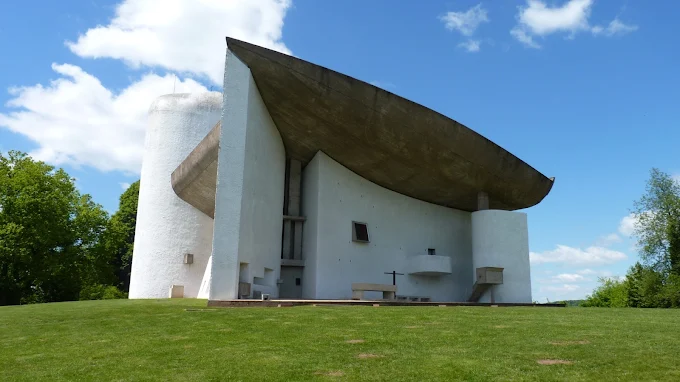
Following the rationality of modernism, light and shadow remain crucial languages of architectural expression. Tadao Ando’s exposed concrete facades, with their extremely restrained details, bear witness to the changing light. In the Church of the Light, cross-shaped cracks make light the core element of the facade. Without superfluous decoration, only light and shadow on the walls complete the building’s spiritual expression.
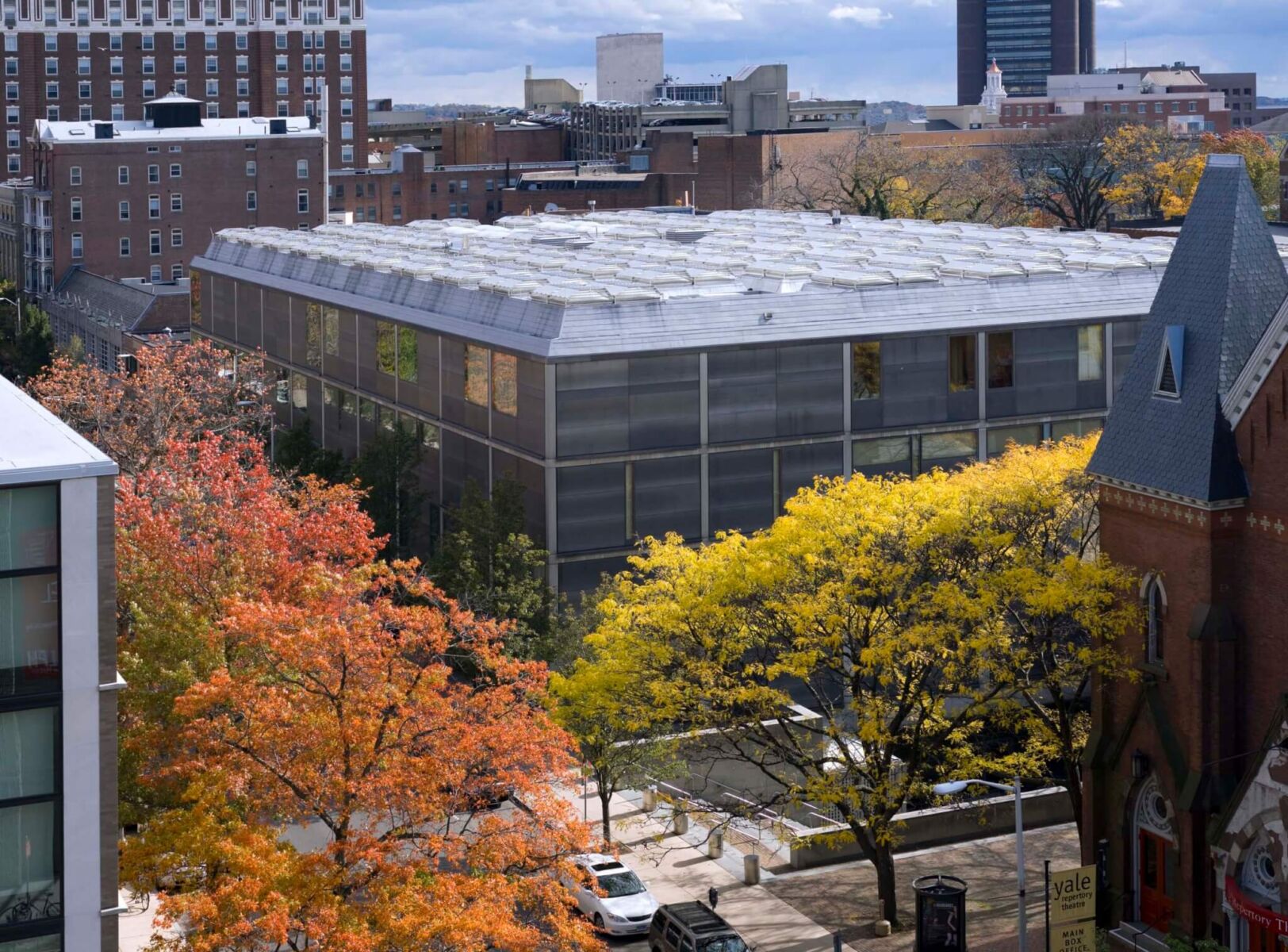
When the gaze shifts to European cities, Alvar Aalto’s architecture presents a different kind of relationship between light and shadow. His facades often soften the coolness of Nordic light through subtle variations in materials and horizontal lines. Here, shadows don’t emphasize contrast, but rather create a slow and enduring rhythm, allowing the architecture to permeate the natural environment.
Even in contemporary times, light and shadow still dominate the character of facades. The spirit of Louis Kahn is continued in the work of Peter Zumthor. Whether it’s the Colomba Museum or the thermal baths, the facades, through the thickness and porosity of the materials, allow light to be filtered and delayed, making the buildings appear serene and imbued with a sense of time.
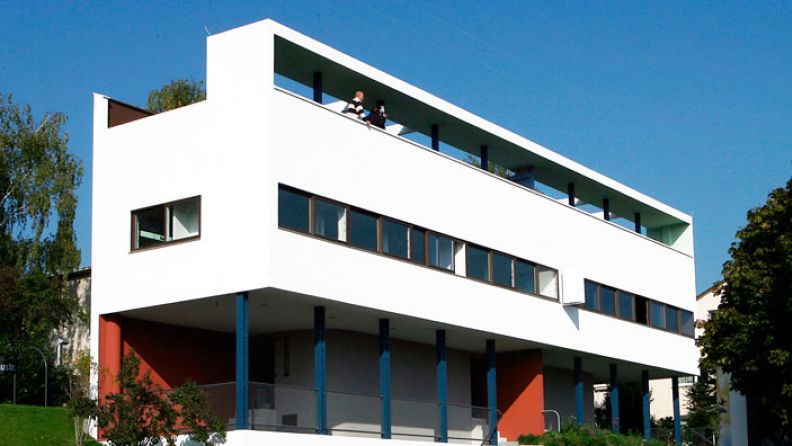
These buildings become classics not because of their unique forms, but because they understand the essence of light: light doesn’t adhere to the facade, but is shaped through it. The facade thus becomes a vessel of time, recording the changes of a day, a year, even an era.
When we stand before these buildings, what truly moves us is not the form itself, but the traces of light and shadow left on its surface. Architecture is seen in this moment, and rewritten in the next.
Related Posts