In recent years, as Chinese antique ceramics have continued to attract attention in the international…
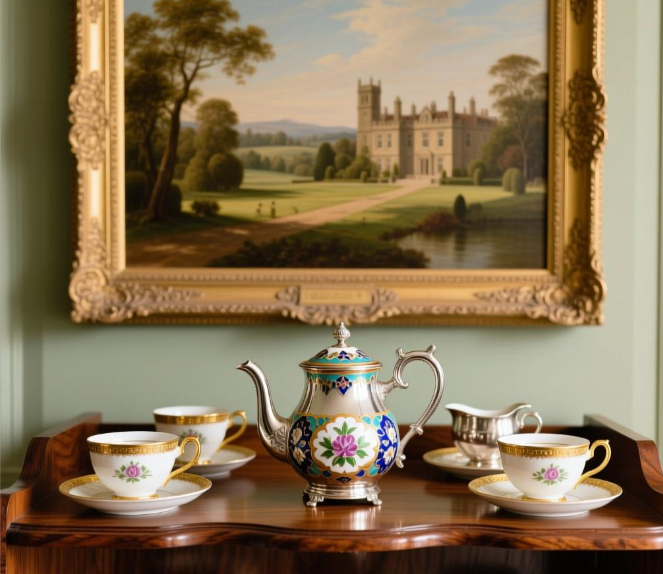
British elegance: The aristocratic style and historical heritage of British collectibles
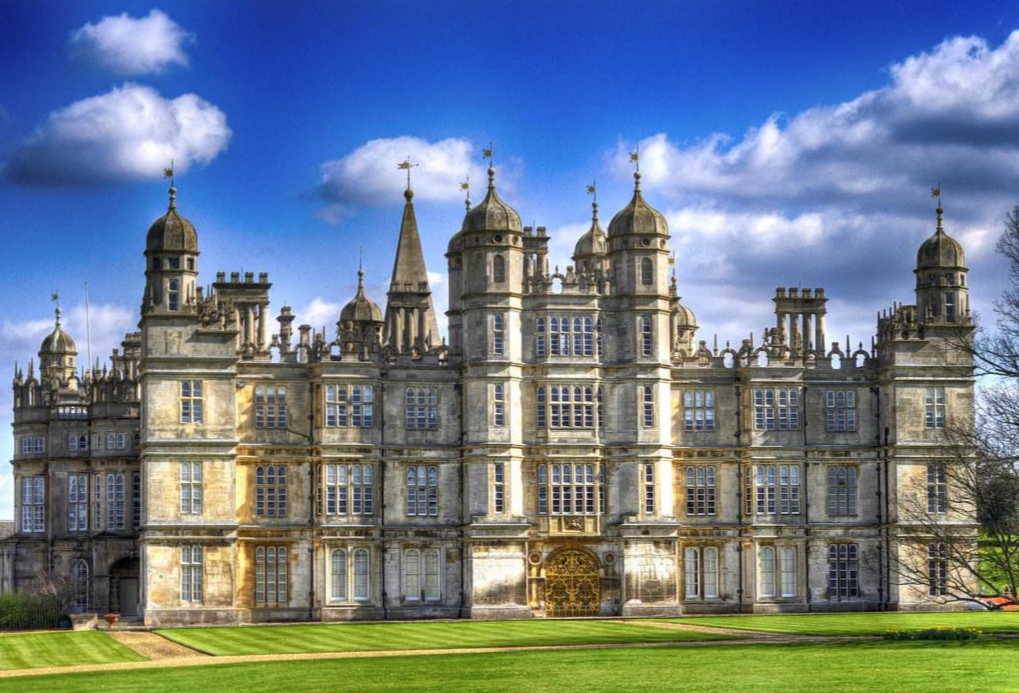
In the oak-paneled rooms of an English country house, each collectible tells a story of the glorious history and unique aesthetics of the British Empire. From the exquisite silverware of the Regency era to the natural history collections of the Victorian period, British collections stand out in the world of collecting for their understated elegance and profound historical significance.
Silverware: The Metallic Poem of the British Empire
The Golden Age of London Silversmiths
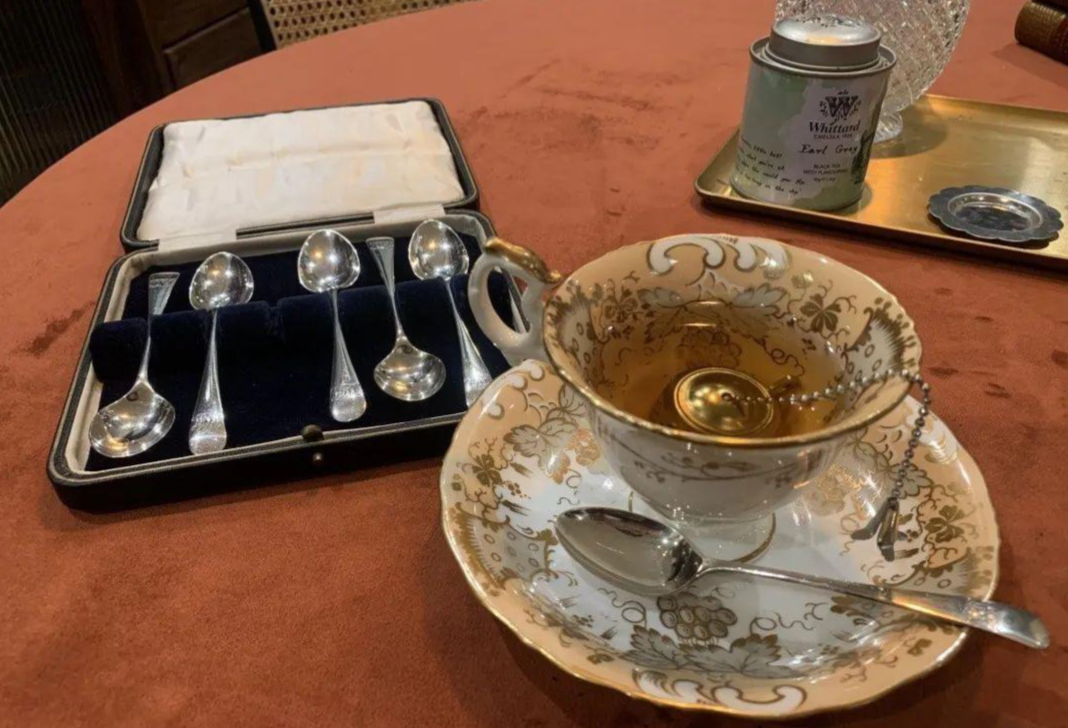
The 18th century was the golden age of British silverware. Masters like Paul Storr created candlesticks and tea sets that perfectly combined neoclassical simplicity with the uniquely British pragmatism. These silverwares not only bear the Royal Warrant but also record the social life of the time.
A Unique Marking System
The most distinctive feature of British silverware is its comprehensive quality marking system. From 1571 onwards, every piece of silverware had to be engraved with a mark of place of manufacture, purity mark, date, and tax stamp. This system makes British silverware one of the most traceable precious metal artifacts in the world.
Ceramics: From Wedgwood to Royal Doulton
Wedgwood’s Neoclassical Revolution
Josiah Wedgwood’s 18th-century invention of Jasperware, with its classic white relief and blue background, became a paradigm of Neoclassicism. Replicas of the famous “Portland Vase” showcase astonishing craftsmanship.
The Breakthrough of Bone China
The greatest contribution of the British ceramics industry was the invention of bone china. The bone china formula developed by the Spode factory in the 1790s made porcelain both thin and strong. Royal Doulton’s porcelain figurine collection further propelled ceramic art to new heights.
Furniture: The Legend of Thomas Zybender
Thomas Zybender’s Innovation
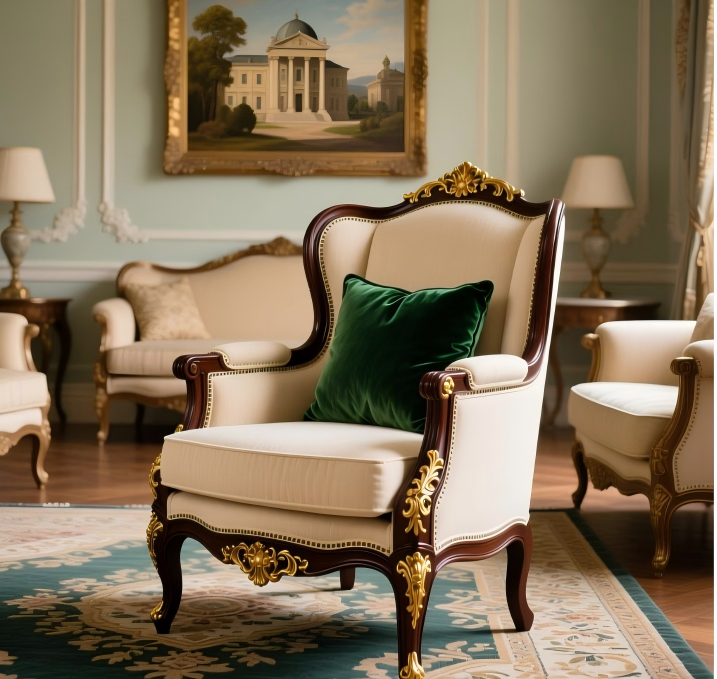
Thomas Zybender’s 18th-century British furniture master, in his book *The Gentleman’s and Cabinet Maker’s Guide*, skillfully blended Gothic, Chinoiserie, and Rococo elements. His armchairs and desks remain exemplars of classic furniture to this day.
The rustic beauty of country furniture: In contrast to the opulence of court furniture, English country furniture exudes a unique, rustic charm. Works such as the Windsor chair and the gateleg table, with their sturdy structure and practical design, embody the pragmatic spirit of the British.
Painting: From Portraiture to Landscape
Reynolds’ “Grand Style”
Sir Joshua Reynolds’ Royal Academy laid the foundation for the academic tradition of British painting. His portraits not only captured the expressions of their subjects but also enhanced the intellectual depth of the works through classical backgrounds.
Turner’s Revolution of Light and Shadow
J.M.W. Turner brought British landscape painting to its peak. His seascapes, such as *HMS Dreadnought*, with their innovative use of light and shadow, foreshadowed the birth of Impressionism.
Exotic Collections: The British Passion for Natural History
The Rise of the Cabinet of Curiosities
In the 18th and 19th centuries, it was fashionable for British aristocrats to create “cabinets of curiosity” to collect exotic treasures brought back from around the world. Sir Hans Sloane’s collection later became a cornerstone of the British Museum’s collection.
The Golden Age of Botanical Illustration
With colonial expansion, the British fascination with exotic plants spurred the creation of exquisite botanical illustrations. Works such as Redouté’s *Roses* perfectly combined science and art.

Collection and Appreciation Guide
Identifying Era Characteristics
Georgian Period (1714-1830): Neoclassical style, elegant design
Victorian Period (1837-1901): Ornate decoration, exoticism
Arts and Crafts Movement (1880-1910): Return to handicrafts, opposition to industrialization
Maintenance Tips
The humid British climate requires special attention to prevent mold. Silverware should be regularly maintained with a special silver polishing cloth. Furniture should be kept away from direct sunlight. Oil paintings should be kept in a stable temperature and humidity environment.
Collection Recommendations
Items with clear provenance, participation in important exhibitions, and clear documentation are more valuable. The original lacquer finish and the condition of brass fittings on country furniture directly affect their value.
Conclusion: The History of the British Empire in Collectibles
The unique charm of British collectibles lies in their profound historical and cultural background. Each item is like a window, allowing us to glimpse the glory of the British Empire and experience the unique aesthetic taste of the British Isles.
These collectibles are not only works of art, but also testaments to the social changes in Britain. From the confident exuberance of the empire’s heyday to the Arts and Crafts Movement’s reflection on industrialization, each piece embodies the spirit of its era. In today’s fast-paced consumerist age, these time-tested collectibles remind us that true beauty requires the sedimentation of time and careful preservation.
Related Posts