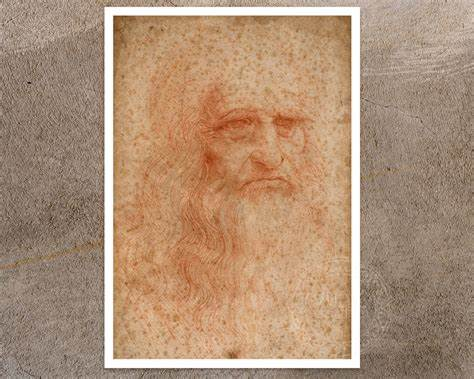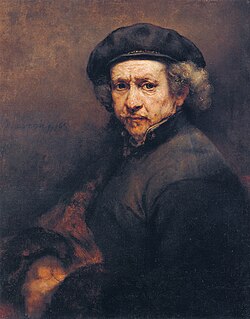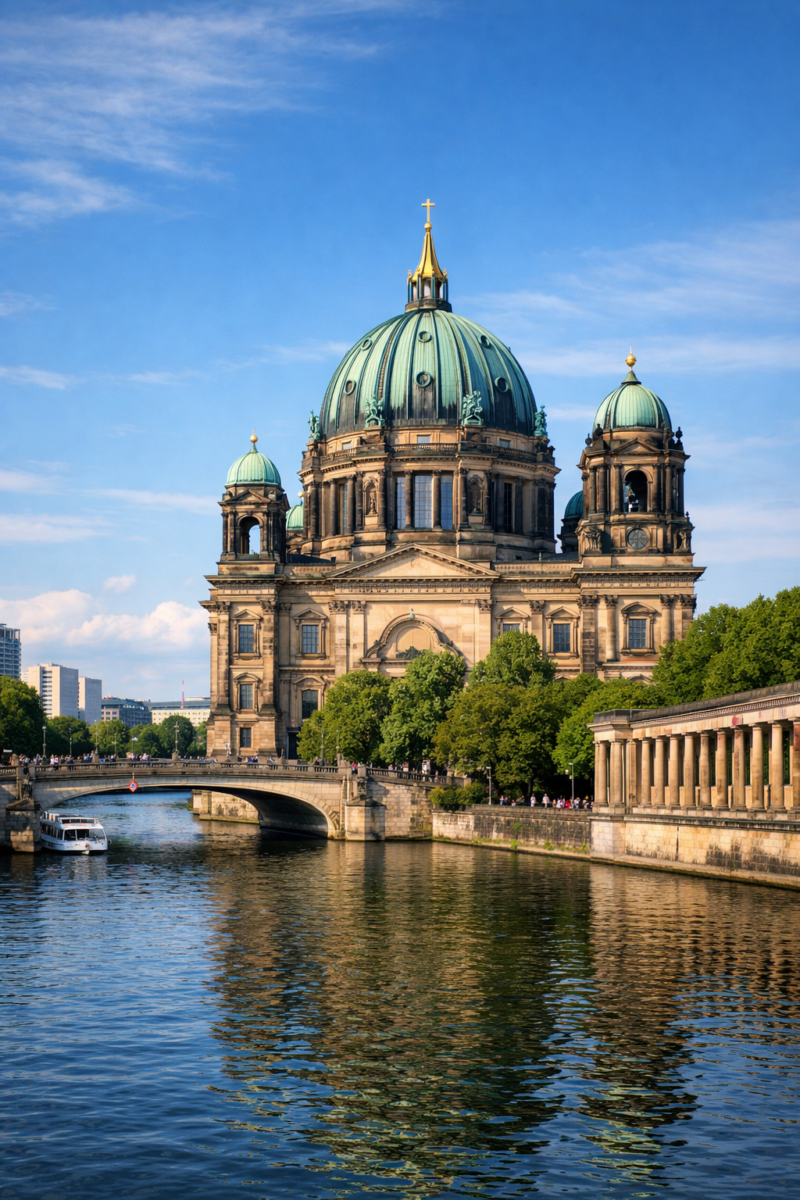
A Transcendent Image by Leonardo da Vinci In the history of Western art, few images…
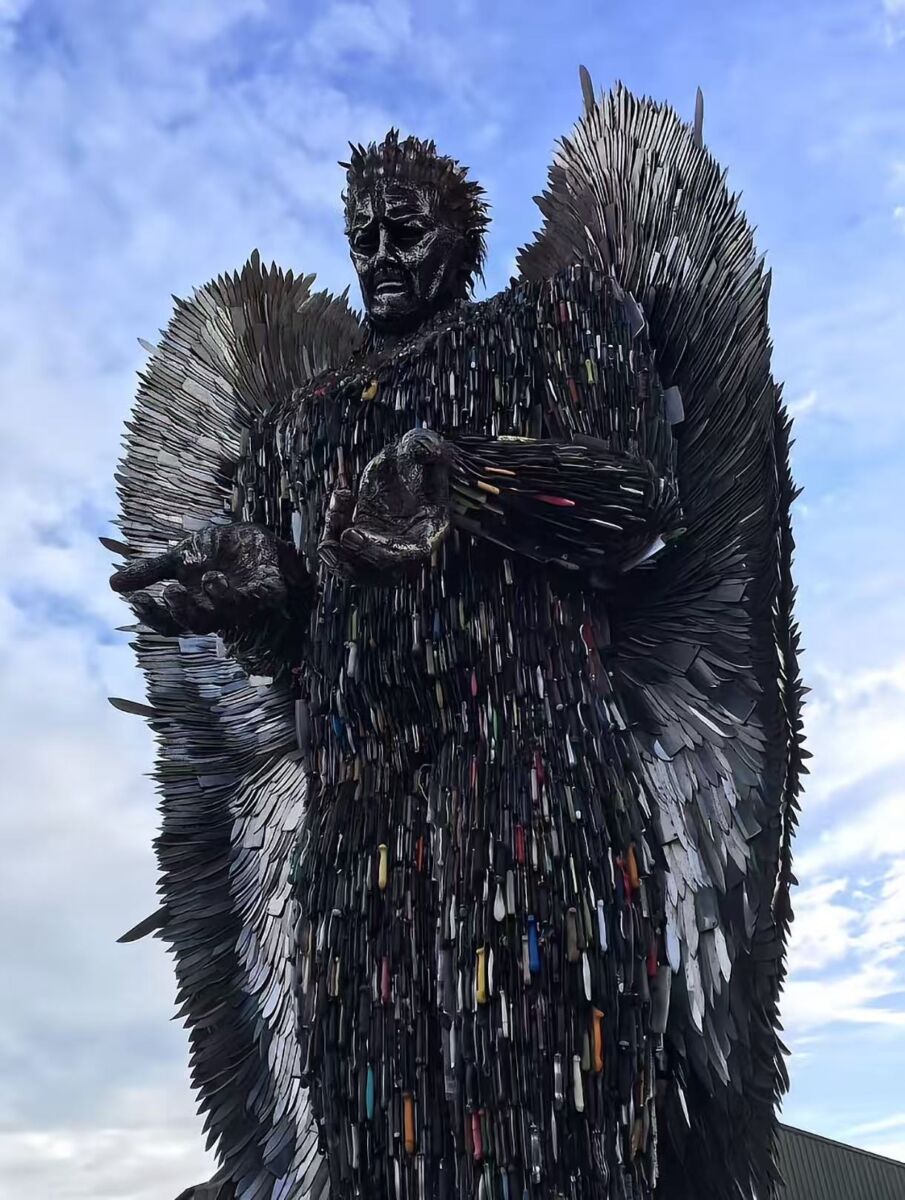
Wings of Peace Forged by Violence – Sword Angel
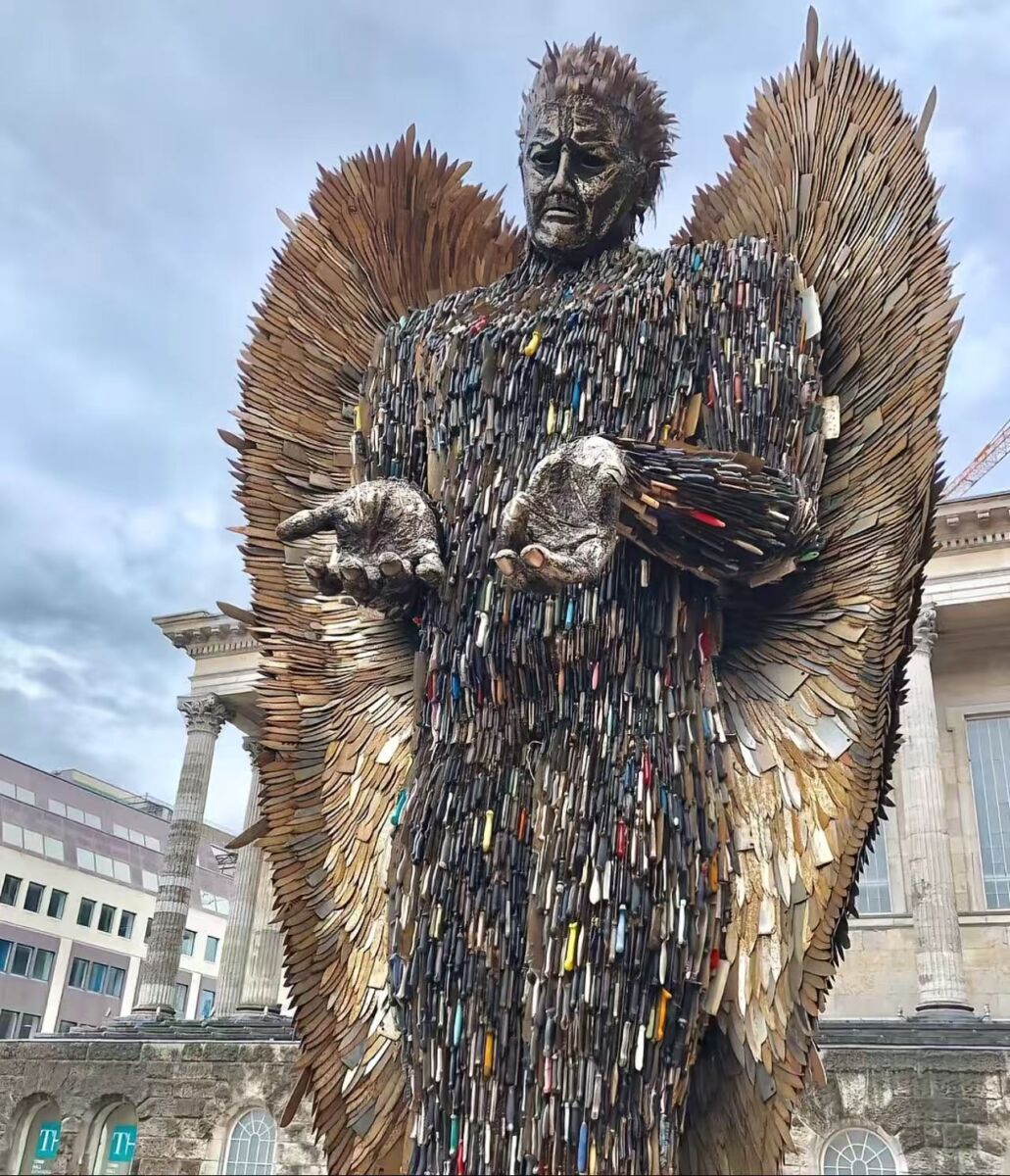
In a British public square, when the Knife Angel stands majestically, it doesn’t dazzle with its sacred, ornate, or flashy appearance, but rather with a stark, direct confrontation. Its metal surface, stained with the bloodstains of history, serves as a stark reminder to all passersby: this angel was forged from human violence.
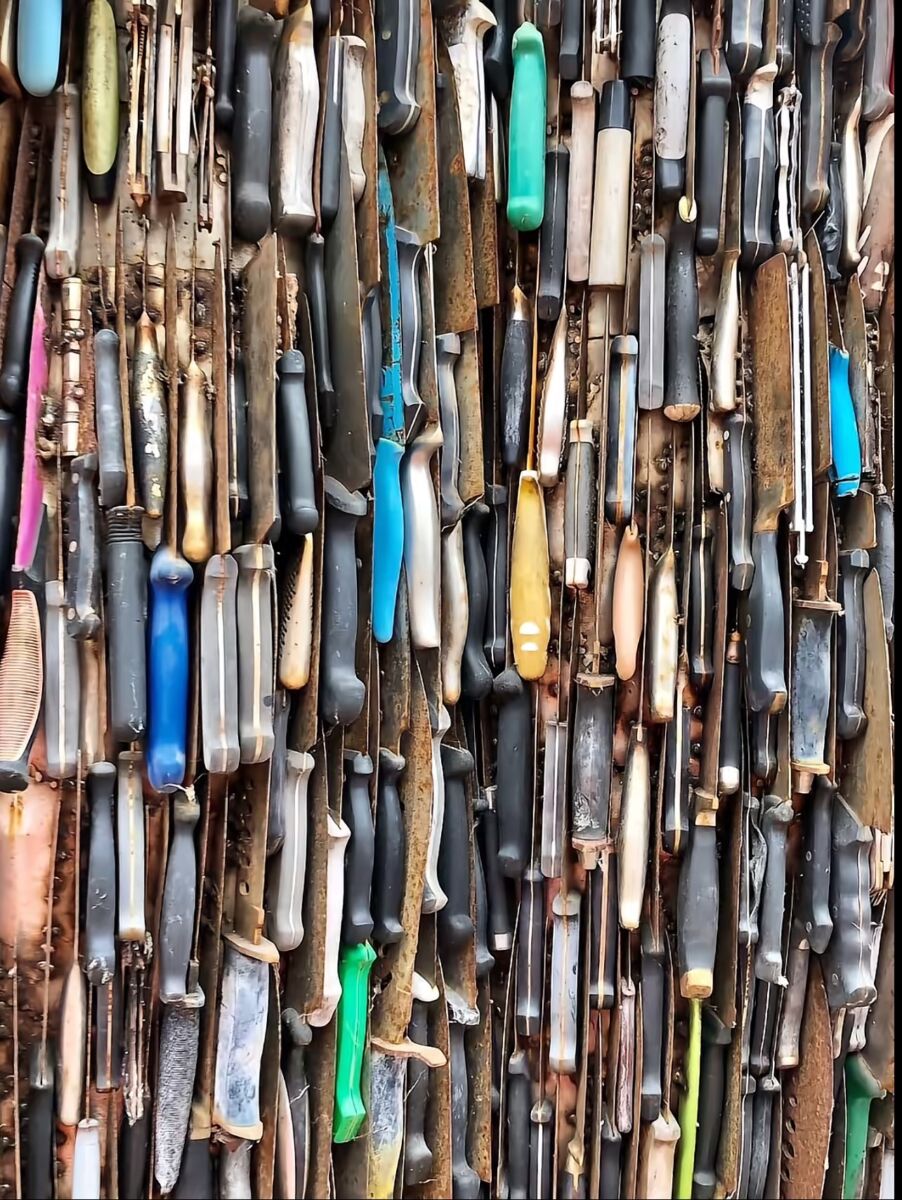
This sculpture, created by British artist Alfie Bradley, took two years to complete and used over 100,000 real knives—not ordinary metal, but blades recovered by police, seized from crime scenes, or anonymously delivered. Each knife has its own story, some never fully told, but the scars already etched on people’s hearts.
The Knife Angel’s appearance is not meant to intimidate, but to force humanity to confront the consequences of knife violence.
Wings Collected from the Shadows of Crime
In creating the Knife Angel, Bradley collaborated with the police, collecting weapons from knife drop boxes across the UK. These boxes were filled with knives of different shapes, rusts, and ages—each one sharing a history of near-danger.
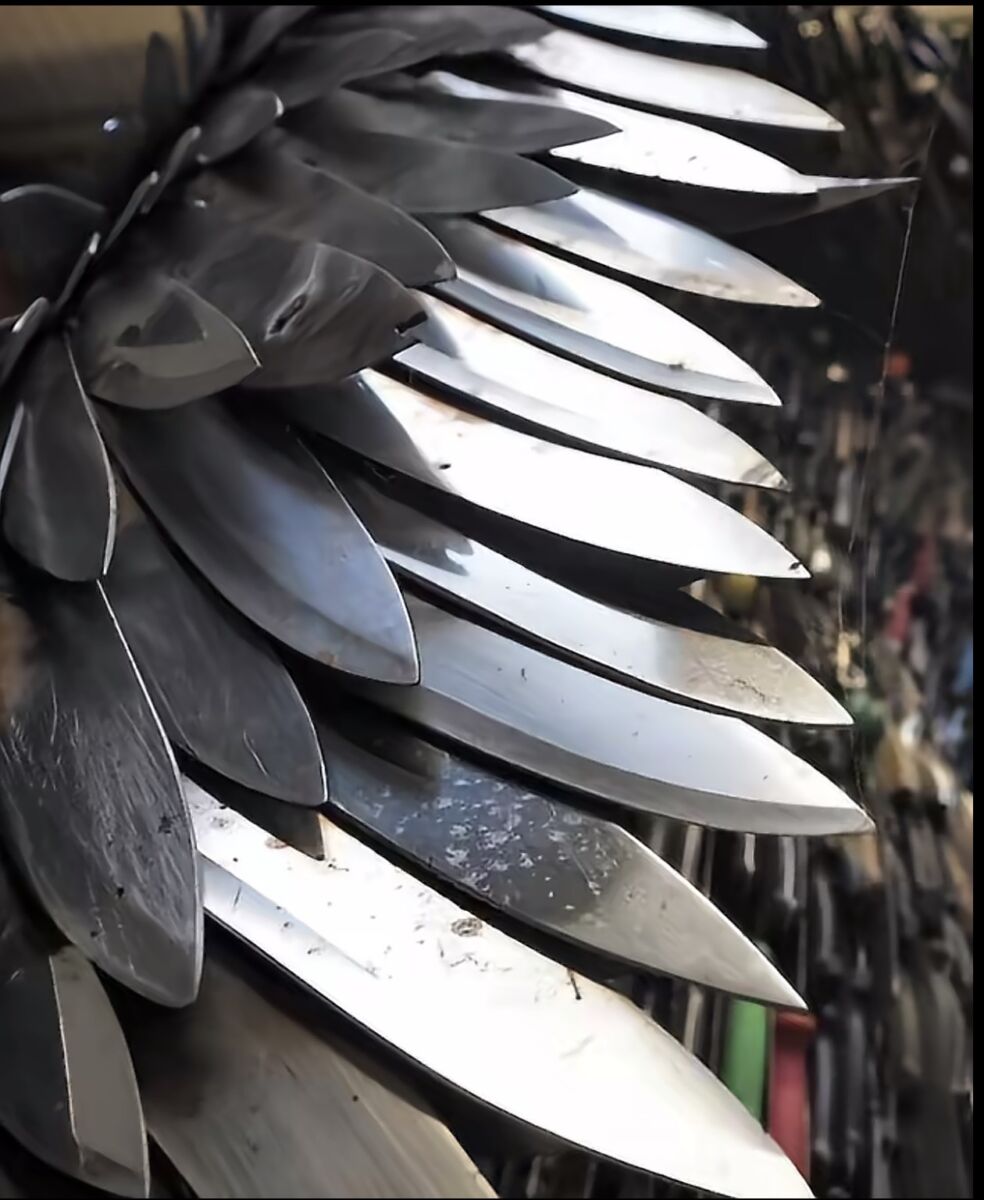
The artist cleaned, sterilized, hammered, and pieced them together, reassembling the scarred metal into angel wings.
These wings are not light; they are heavy, sharp, and imbued with a sense of historical oppression. When sunlight shines on the wings, it doesn’t reflect the golden gleam of typical sculptures, but rather a cold, silvery sheen—making it impossible to forget their former purpose.
But it is precisely this that gives them a power more impactful than any feather.
The angel’s face is compassionate, not majestic.
Many who see the angel of knives for the first time are surprised:
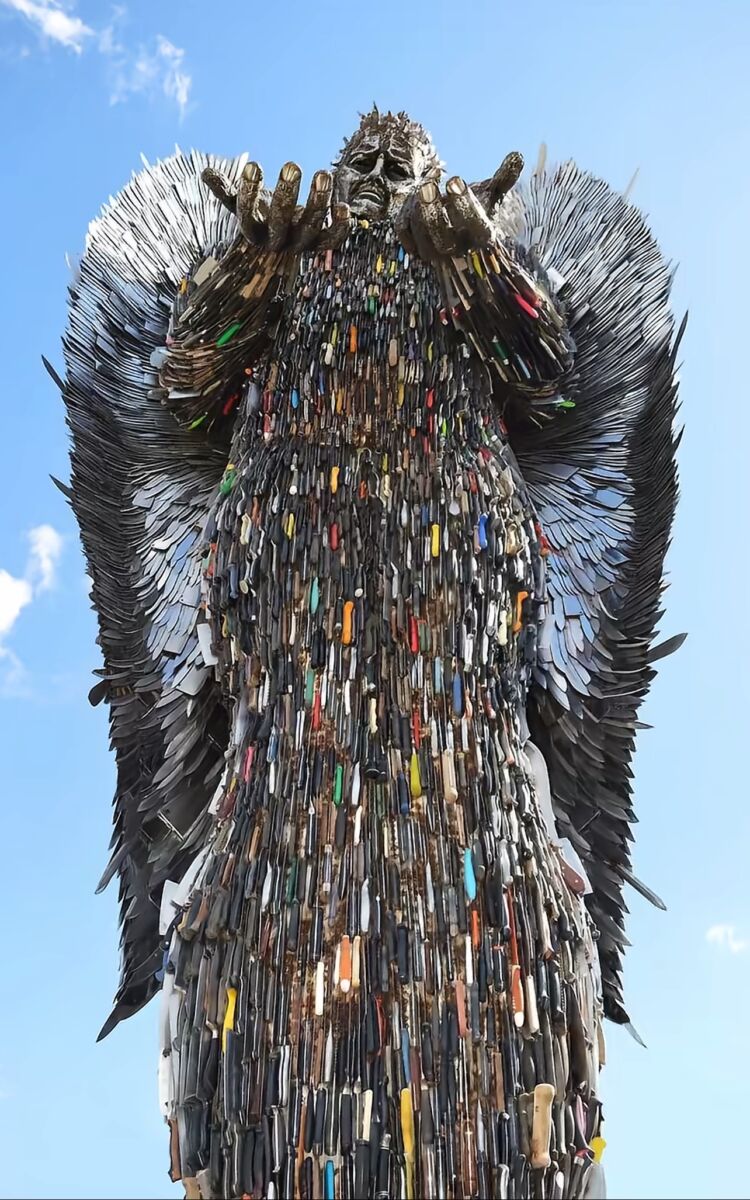
It doesn’t roar, nor does it intimidate, but rather expresses sorrow.
Its expression is gentle, its eyes downcast, as if mourning lost lives, or as if telling people: These knives, which should belong in the kitchen or toolbox, have become weapons that steal the future.
The artist placed it there not to frighten, but to provoke reflection.
The angel of knives has become a symbol of a city’s attitude:
We reject violence, we see harm, and we are willing to change.
From Artwork to Symbol of a Social Movement
Knife Angel isn’t stationed in one place; it tours various cities across the UK. Wherever it goes, it’s accompanied by a series of anti-knife violence educational activities, bereaved families’ testimonies, and community dialogues.
It’s not just an artwork, but a symbol of a social movement:
It calls on young people to stay away from knife culture
It commemorates innocent victims
It brings urban violence to the forefront
It makes the public realize that “refusing to carry a knife” is not just a simple slogan, but a responsibility to life
Every time Knife Angel arrives in a city, it marks the beginning of a public safety education campaign.
Wings of Peace Forged from Violence
Compared to the beauty of traditional sculpture, the power of *The Knife Angel* lies in its paradox:
Its material is fragments of sin, yet the finished product is a symbol of peace.
Its wings are sharp blades, but they convey a gentle warning.
Its body is composed of wounds, yet it offers healing to the world.
This is its most profound meaning—peace is not innate, but forged from the ruins of violence.
Alfie Bradley did not allow the knives to become trash, nor did he allow them to continue as weapons; instead, he gave them a new life, allowing them to shoulder a more important mission:
To ensure that society will never again ignore the true cost of knife violence.
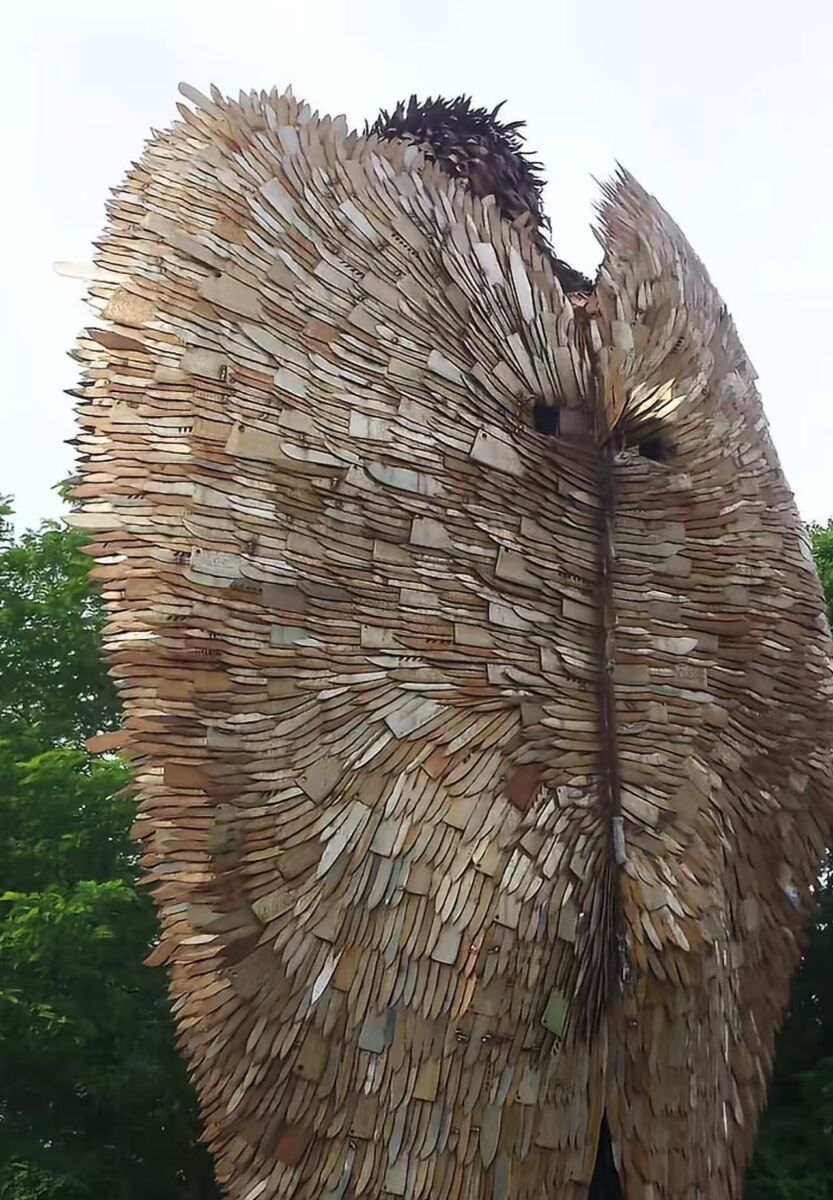
Why is *The Angel of Swords* so captivating?
Because it etches reality so deeply.
Because it’s an embodiment of real crimes.
Because it shows the emptiness left after violence.
Because it transforms sorrow into a visual language.
Because it reminds everyone:
“Every knife laid down is a tear lessened for the future.”
Related Posts