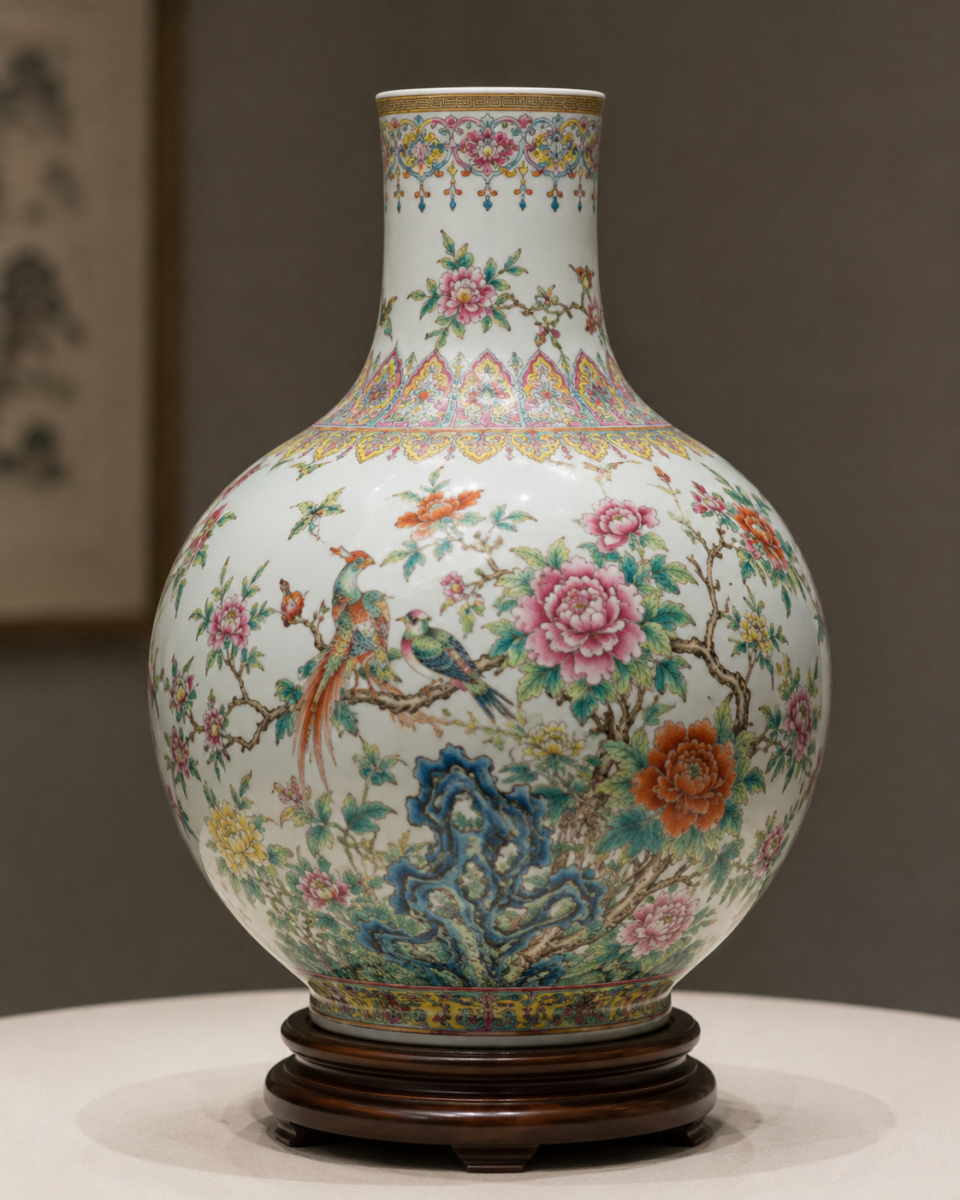
In recent years, as Chinese antique ceramics have continued to attract attention in the international…
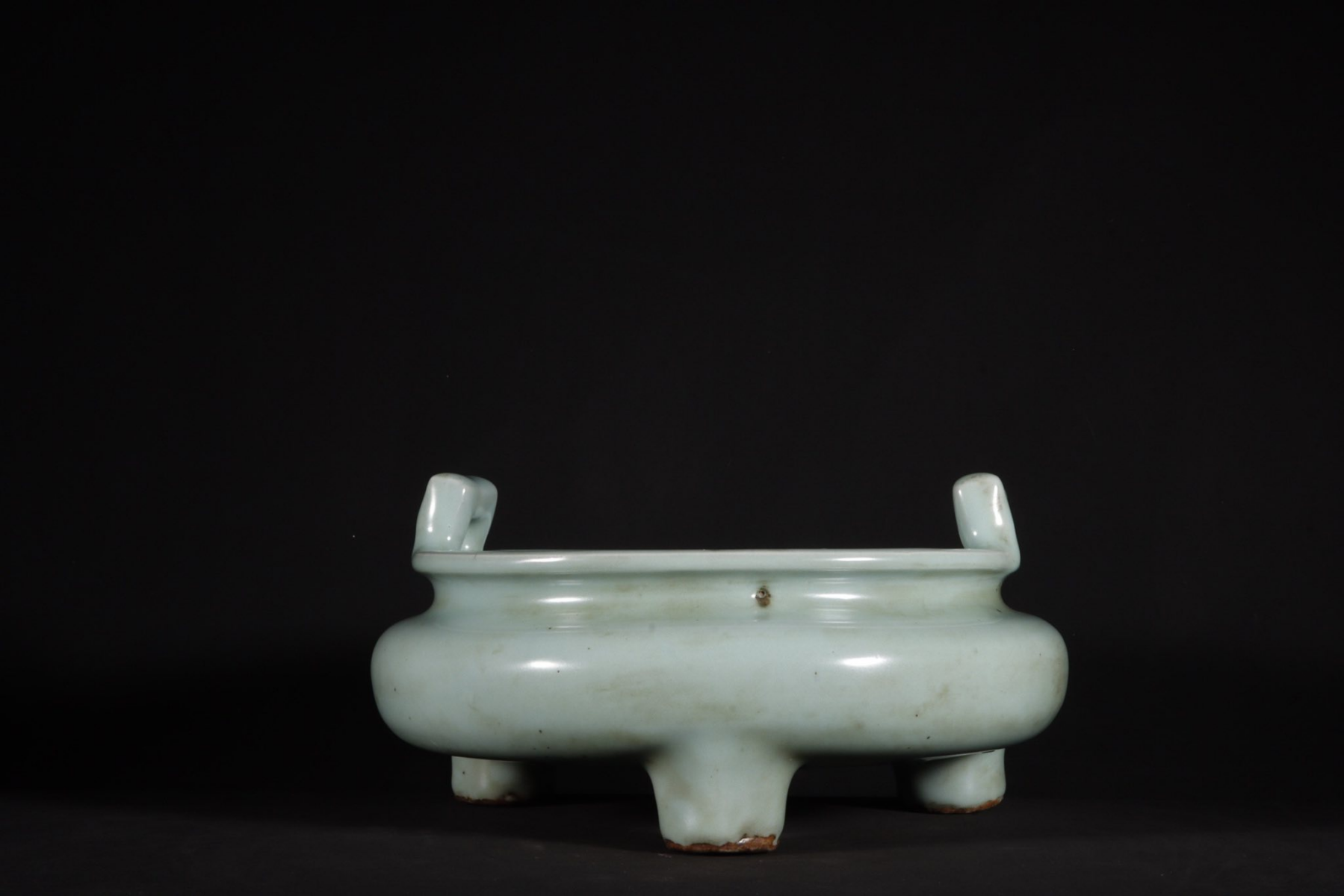
What should I pay attention to when buying antiques for the first time?
Buying antiques for the first time is both attractive and risky for many. Unlike ordinary commodities, antiques are not just “old things,” but also carry historical, cultural, and artistic value. However, precisely because of this, the market is very complex, and novices can easily make wrong judgments due to information asymmetry.
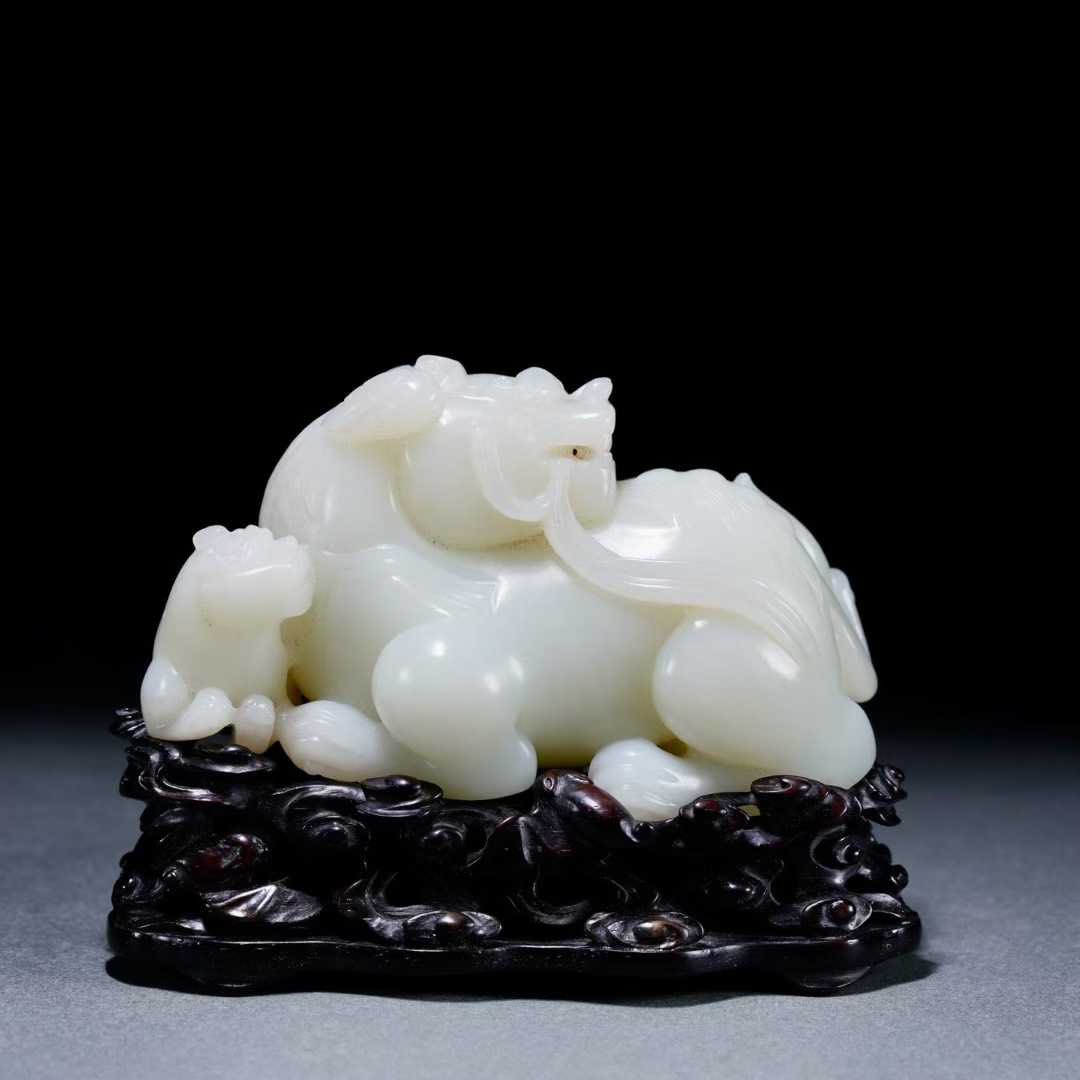
First and foremost, it’s crucial to establish a correct understanding: not everything that looks “aged” is an antique. The market is flooded with imitations, artificially distressed crafts, and even high-quality forgeries. Without basic discernment, it’s easy to be misled by appearances. Therefore, before making a purchase, it’s advisable to gain a basic understanding of the category you’re interested in, such as porcelain, jade, calligraphy and paintings, or furniture, including their respective era characteristics, craftsmanship features, and common differences between genuine and fake items.
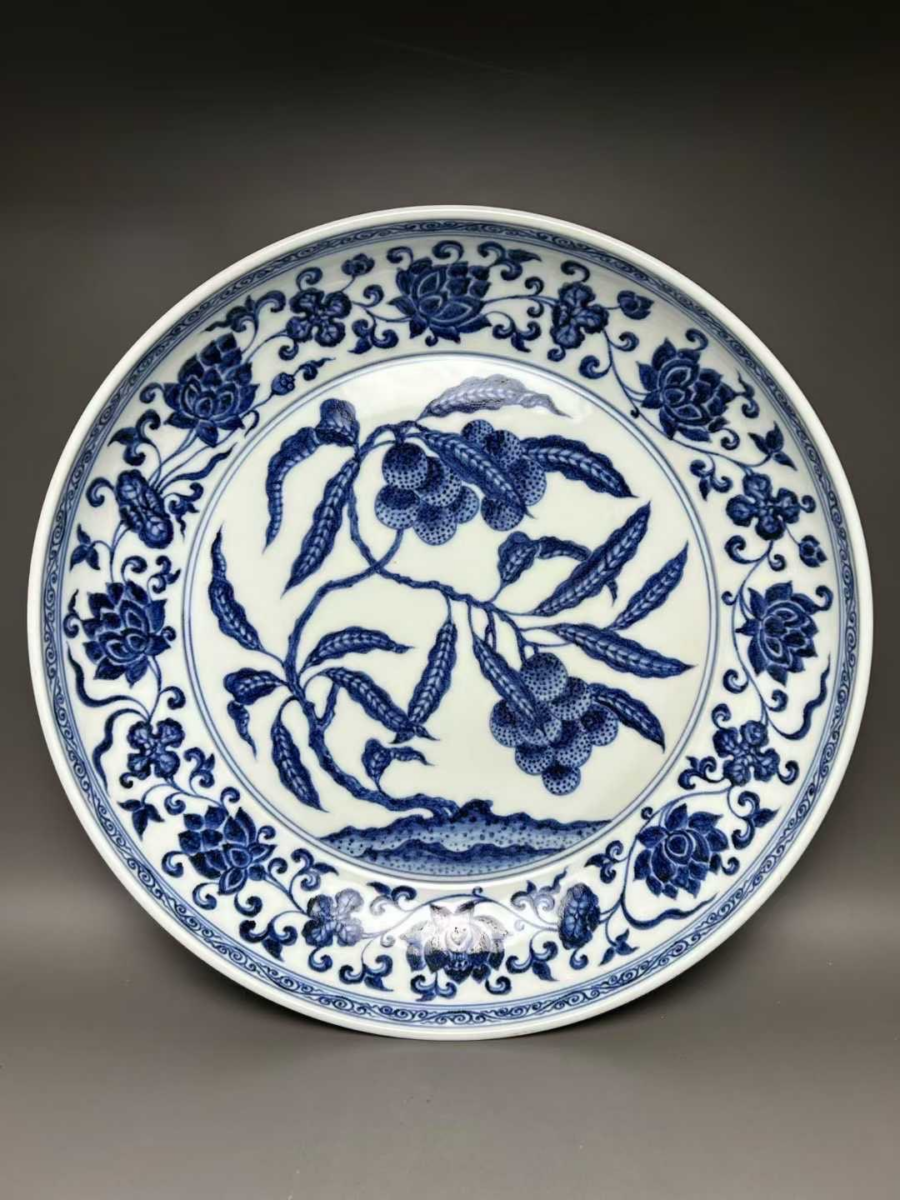
Secondly, don’t enter the market with the mindset of “finding a bargain.” Many beginners hope to buy high-value collectibles at low prices, but in reality, true bargains are very rare, especially through legitimate channels where prices are often close to market levels. Overly pursuing low prices makes it easier to buy items in poor condition or with problems, which is counterproductive.
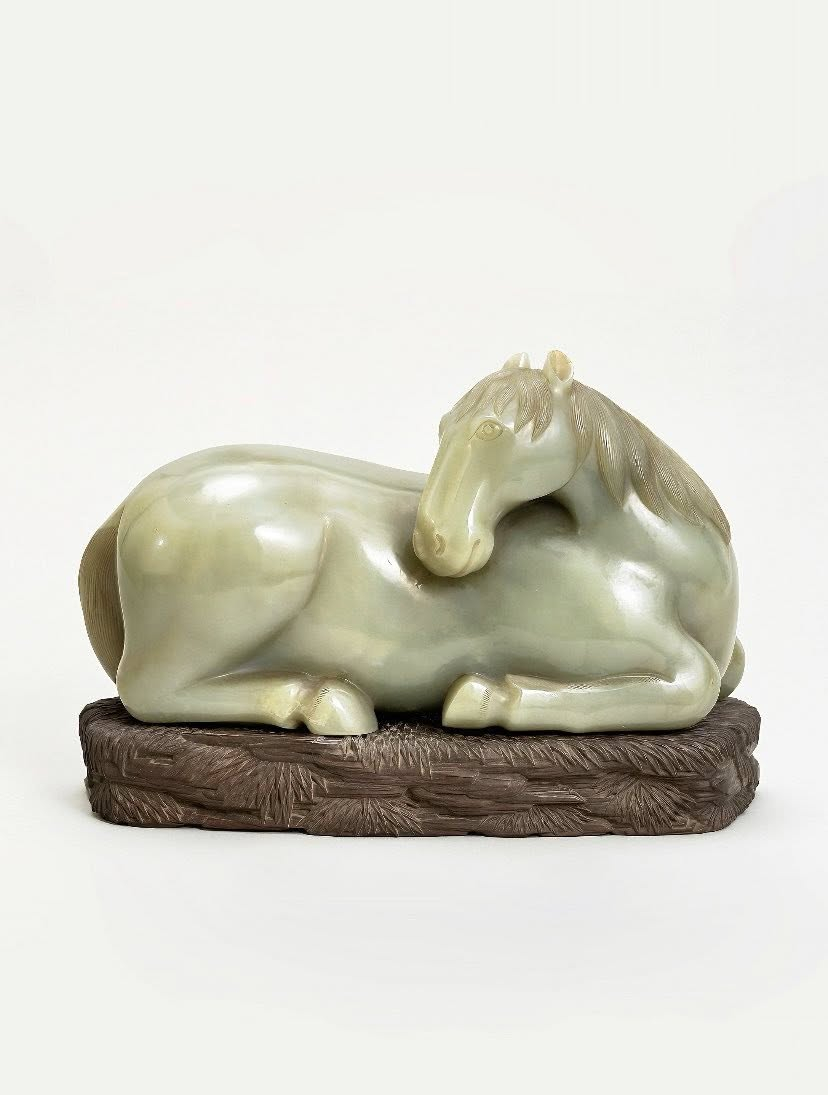
Furthermore, choosing a reliable purchasing channel is crucial. It is recommended to prioritize reputable auction houses, established antique dealers, or platforms with transparent mechanisms. These channels typically provide more detailed information about the items and mitigate the risk of information asymmetry to some extent. In contrast, while private transactions with unclear provenance may offer lower prices, they also carry significantly higher risks.

At the same time, it is essential to learn to carefully read the auction item description, rather than relying solely on pictures. The description often contains crucial information, such as whether it has been repaired, whether there are cracks or dents, whether it is a later addition, and its provenance and history. These details often determine the true value of an antique more than its appearance.
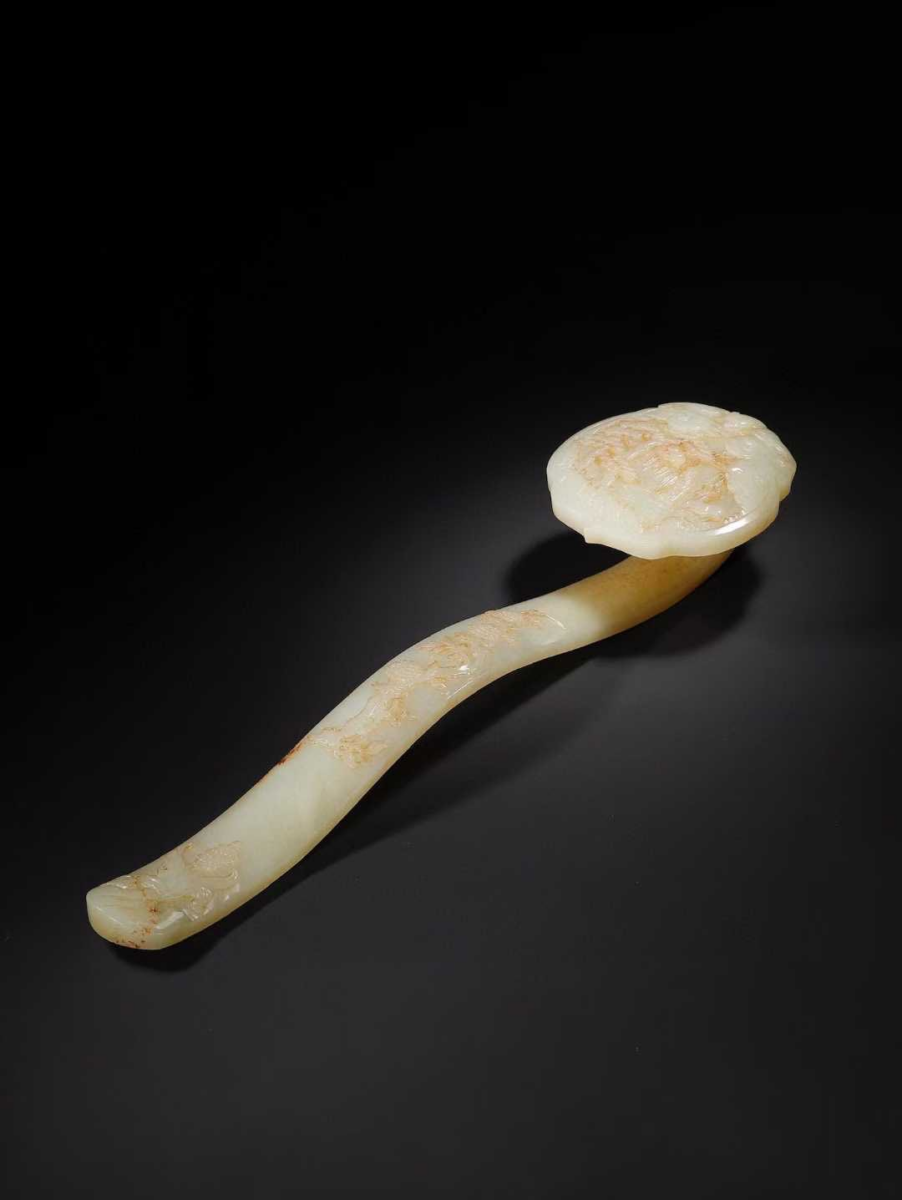
Finally, for first-time buyers, it’s advisable to start with lower-risk, moderately priced collectibles, focusing on learning and experience rather than investment returns. By actually handling different objects, you can gradually accumulate experience and judgment, slowly building your own “eye for quality.” Antique collecting is essentially a long-term learning journey; patience and accumulation are more important than making a “right buy” all at once.
Related Posts