
On the Tuscan plain of Italy stands a structure that has become almost synonymous with…
Behind the Auction: A Battle Between Rationality and Passion
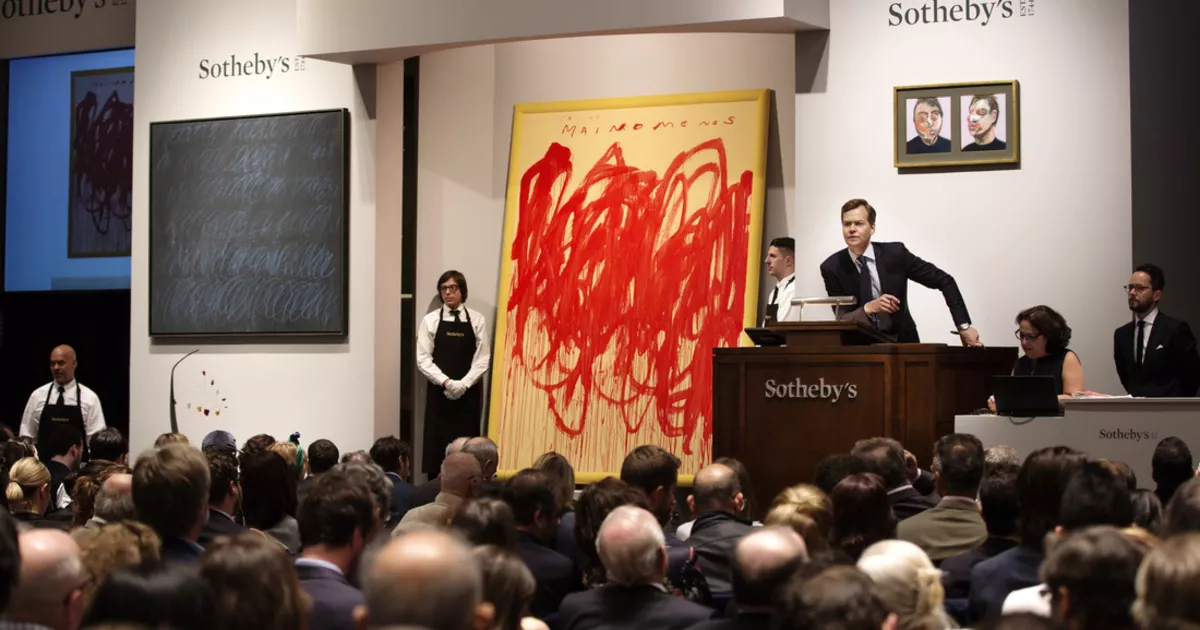
In the auction hall, time seems compressed into a series of brief yet tense moments. The auctioneer’s voice echoes rhythmically through the hall, bidding figures are constantly being refreshed, and the act of raising a paddle is simple and direct, yet carries complex emotions and judgments. For many, an auction is a competition of prices; but for the true participants, bidding is more like a subtle and enduring game between rationality and passion.
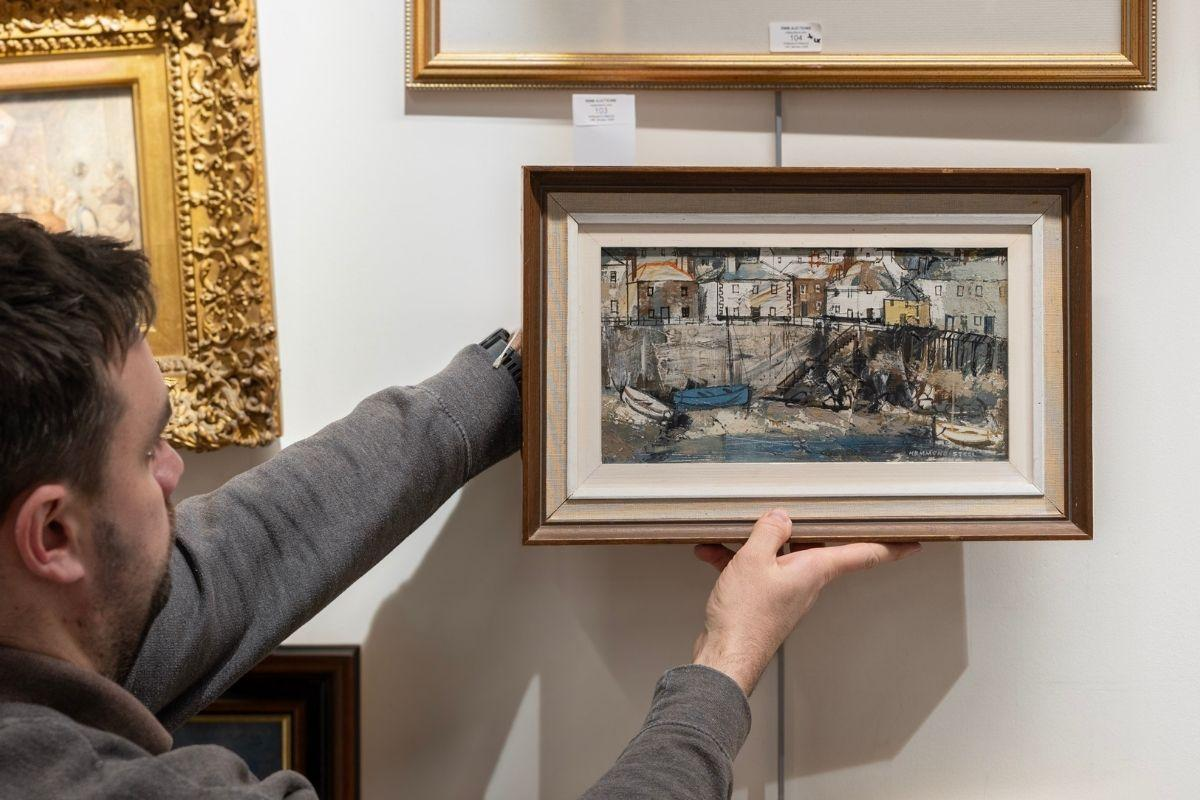
Every item that steps onto the auction stage is more than just an ordinary object. It might be an antique weathered by a century, bearing the marks of history; it might be a painting by an artist, capturing emotions with pigments, its colors and brushstrokes hinting at the spirit of its era; or it might be a piece of exquisite jewelry, showcasing a fusion of craftsmanship and beauty through the interplay of light and shadow. It is these diverse stories and backgrounds that imbue the auction item with a meaning beyond its material form.
For collectors, the allure of auctions often stems from this “meaning.” They pursue not merely the item itself, but also the cultural, artistic, and collectible value it represents. A suitable item might fill a gap in a collection or become a crucial element in a thematic collection. Therefore, before an auction begins, many collectors spend considerable time researching: consulting resources, understanding the provenance of the work, analyzing market prices, and observing the sales records of similar items. All this preparation is to ensure clear and rational judgment at the moment the bidding begins.
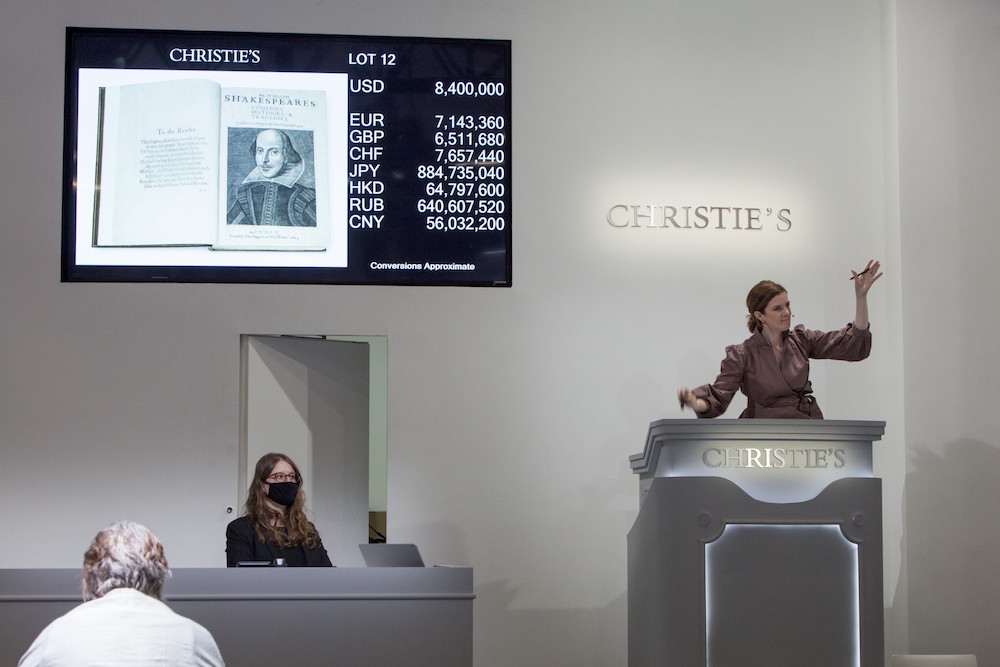
Rationality is the first line of defense in auctions. Mature bidders typically set a psychological price for themselves—an upper limit determined through evaluation and calculation. Within this range, they can bid with ease; once the price exceeds this boundary, rationality reminds them to stop. After all, collecting is not just a hobby, but also a long-term investment. Overly emotional bidding can turn an otherwise admirable work into a heavy burden.
However, the atmosphere of an auction often possesses a unique power. As bidding gradually rises and the pace quickens, the emotions in the room are ignited. The auctioneer repeatedly announces new prices, the pace of paddle raising increases, and an invisible standoff seems to form between competitors. It is in this atmosphere that rationality begins to be tested.

Often, a truly moving auction item evokes an unbreakable emotional connection in bidders. Perhaps it’s a long-standing admiration for an artist, the significance of a particular subject matter in collecting, or simply the powerful resonance felt upon first sight. When this emotion overlaps with the pressure of competition, the previously established boundaries of rationality can become blurred.
Thus, a common moment at auctions occurs: bidding has reached its psychological limit, rationality urges a halt, but inner passion compels one to raise the paddle again. Those brief seconds of hesitation are often the most genuine and dramatic moment of the entire bidding process. Some choose to stop, accepting rational judgment; others raise their paddle again, letting passion temporarily prevail.

In fact, this clash between rationality and passion is precisely the most captivating aspect of auctions. If there were only rational calculations, an auction would become a cold, calculating market transaction; but if there were only emotional impulses, judgment might be lost. It is this balance between the two that makes bidding both passionate and orderly.
From a broader perspective, auctions are not merely a form of transaction, but also a venue for cultural exchange. Collectors from diverse backgrounds meet because of the same artwork; different value judgments are constantly expressed and refined during the bidding process. The final price of a work is not just a market figure, but the result of numerous gazes and emotions combined.
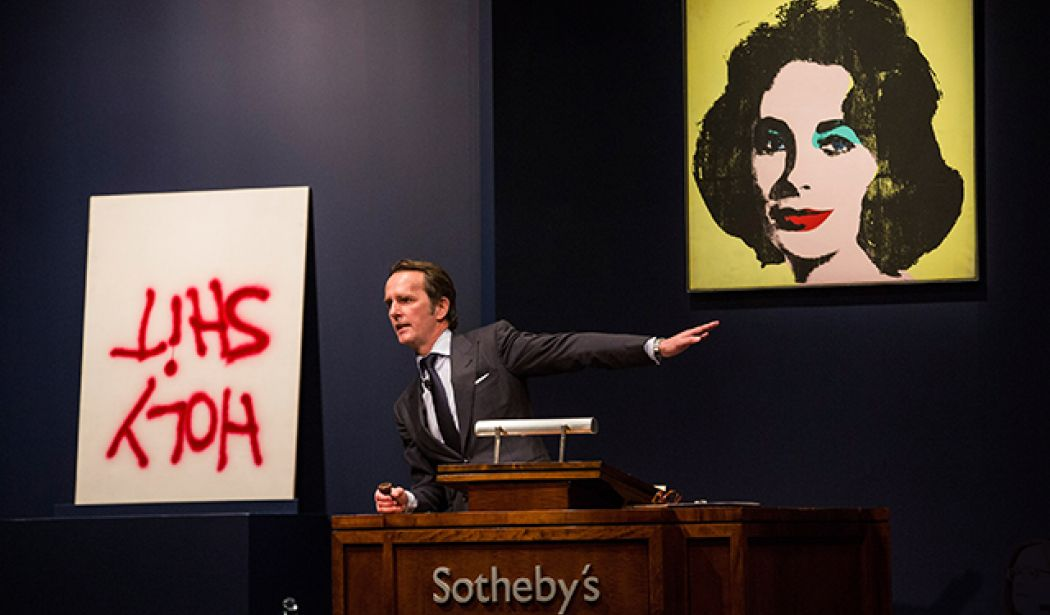
Perhaps this is precisely why auctions have endured. Each bid is not merely a pursuit of an item, but an expression of an attitude: when we truly love something, reason sets its boundaries, while passion imbues it with meaning beyond price.
In the world of auctions, numbers may stop, the gavel may fall, but the contest between reason and passion will continue to resonate in the hearts of every participant.
Related Posts