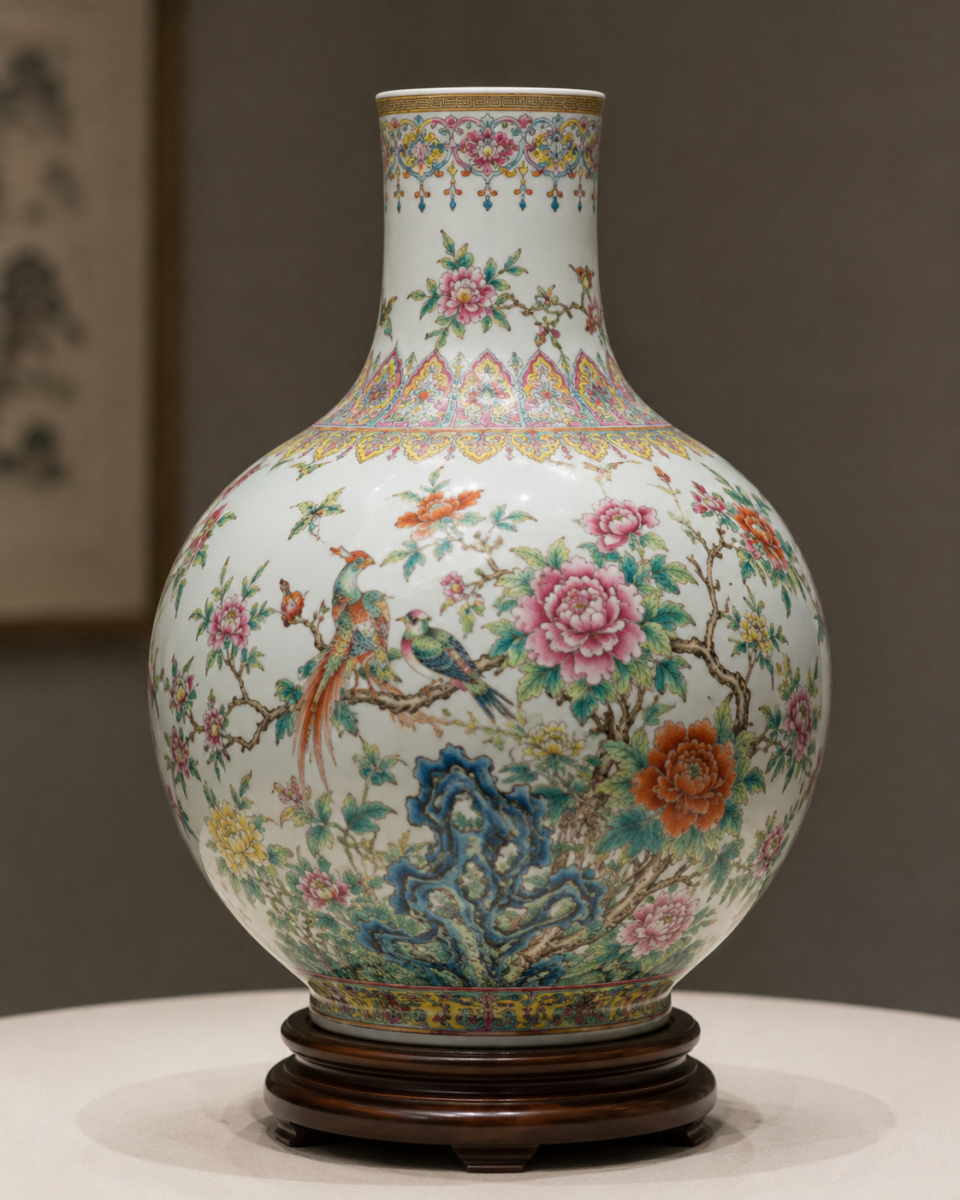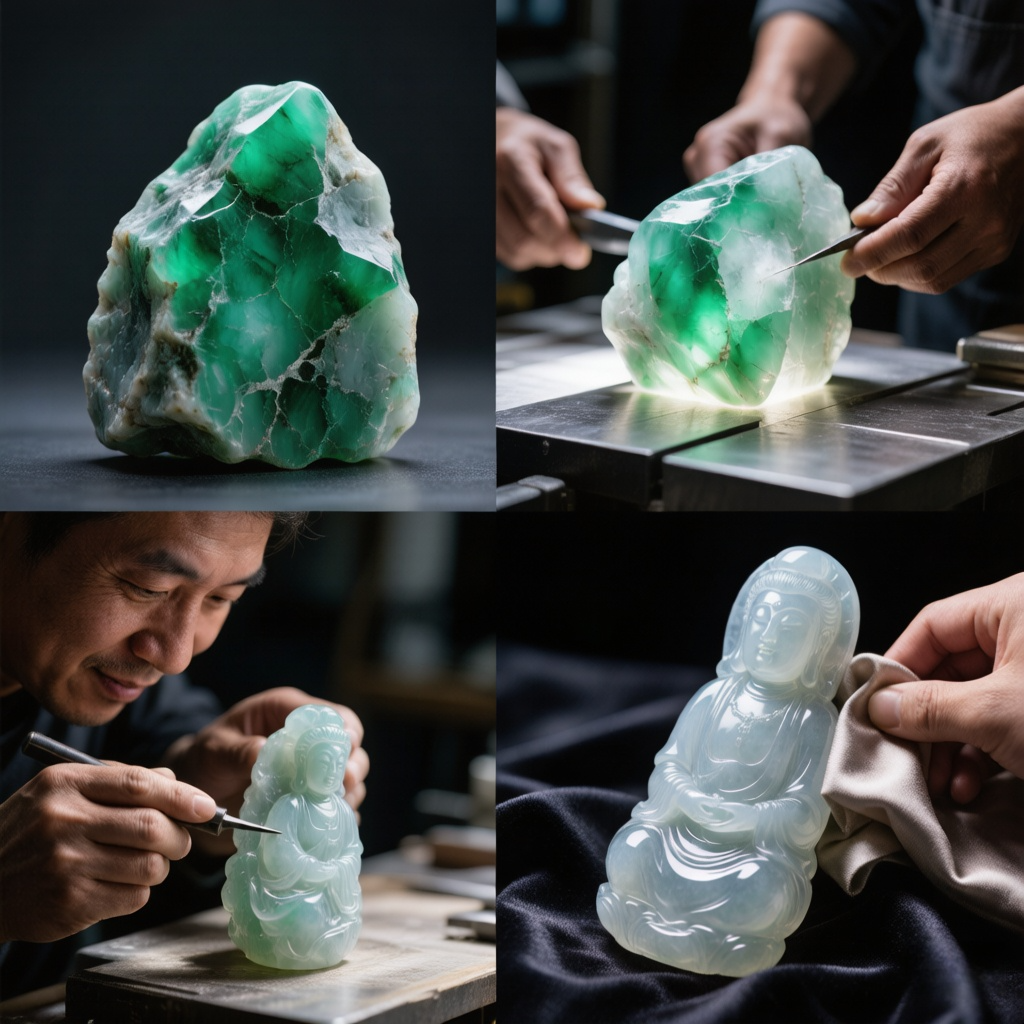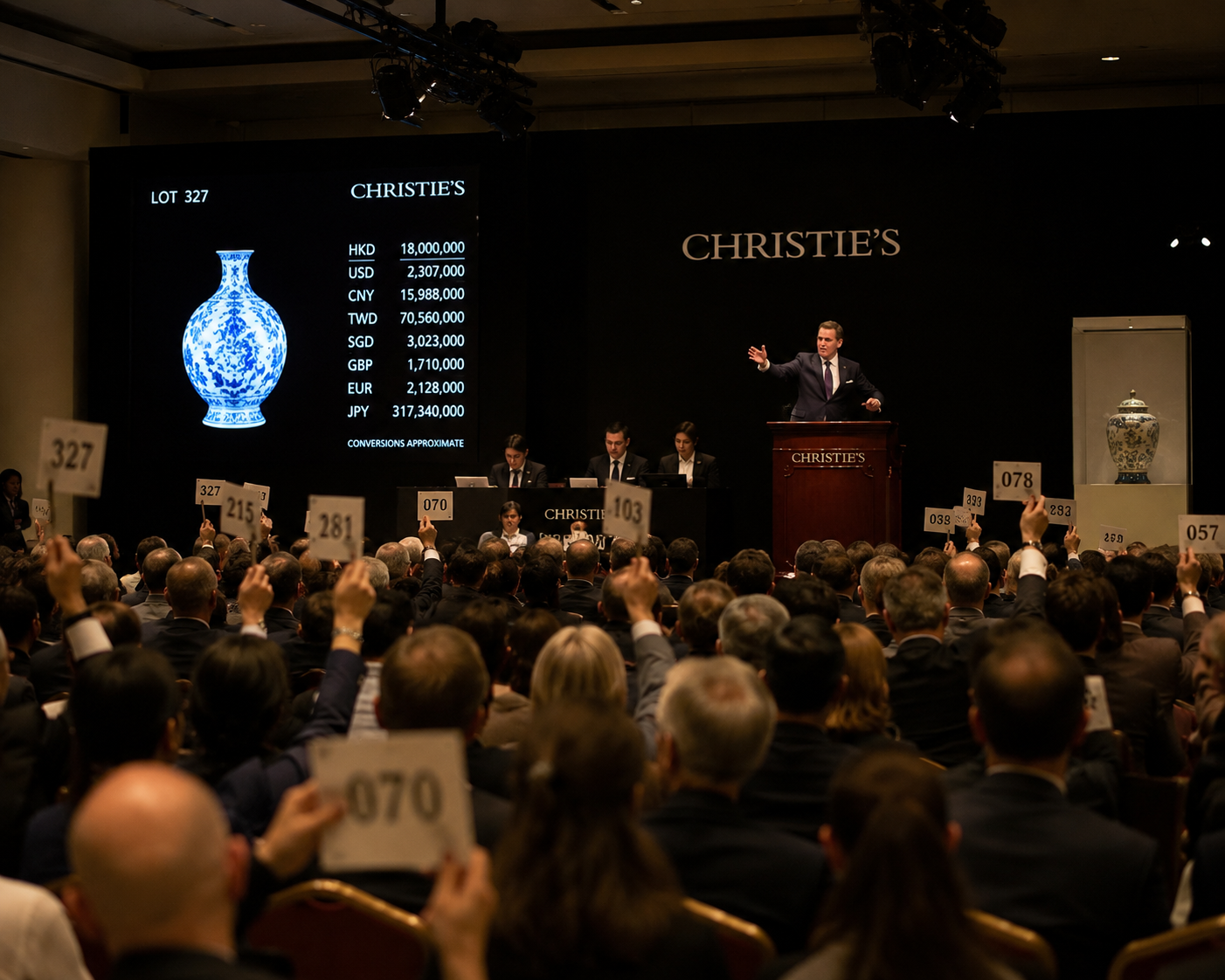
In recent years, as Chinese antique ceramics have continued to attract attention in the international…
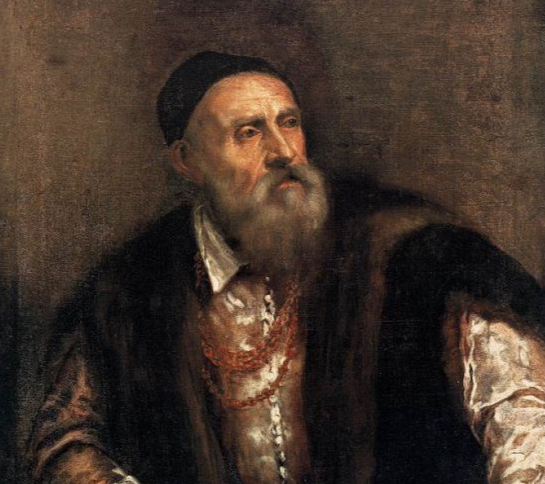
Titian: The Father of Western Oil Painting – His Masterpiece
Titian (c. 1488-1576) was a prominent figure of the Venetian school during the late Italian Renaissance, often hailed as the “Father of Western Oil Painting.” He is renowned for his vibrant colors, bold brushstrokes, and lively portraits, profoundly influencing the development of European oil painting. Titian’s artistic career spanned nearly a century, during which he created numerous religious, mythological, and portrait paintings; his masterpieces remain treasures in the world’s art treasury.
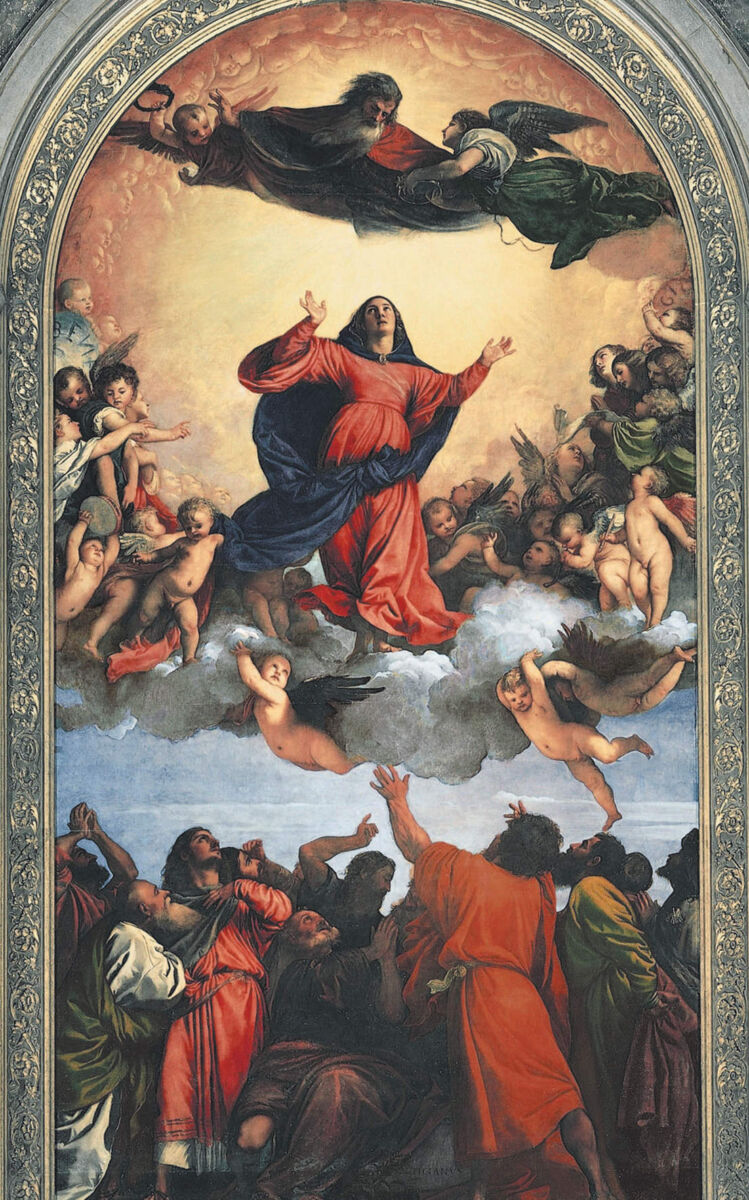
The Assumption of Madonna (1516-1518) is a large-scale altarpiece created by Titian in his early period, now housed in the Frari Church in Venice. Measuring 6.9 meters high and 3.6 meters wide, the work is composed of three sections: the earthly crowd of saints, the Virgin Mary ascending into heaven, and God on the ceiling. Titian, through vibrant colors and vivid brushstrokes, depicts the sacred scene of the Assumption of Madonna with both solemnity and dynamism. The figures of the Virgin Mary rising into the air and the saints witnessing the miracle on earth, in their powerful sense of movement and strength, are comparable to those of Michelangelo. When exhibited in 1518, this work caused a sensation with its revolutionary design and use of color, hailed as “the first masterpiece of the modern era” and a milestone of the Venetian school of painting.
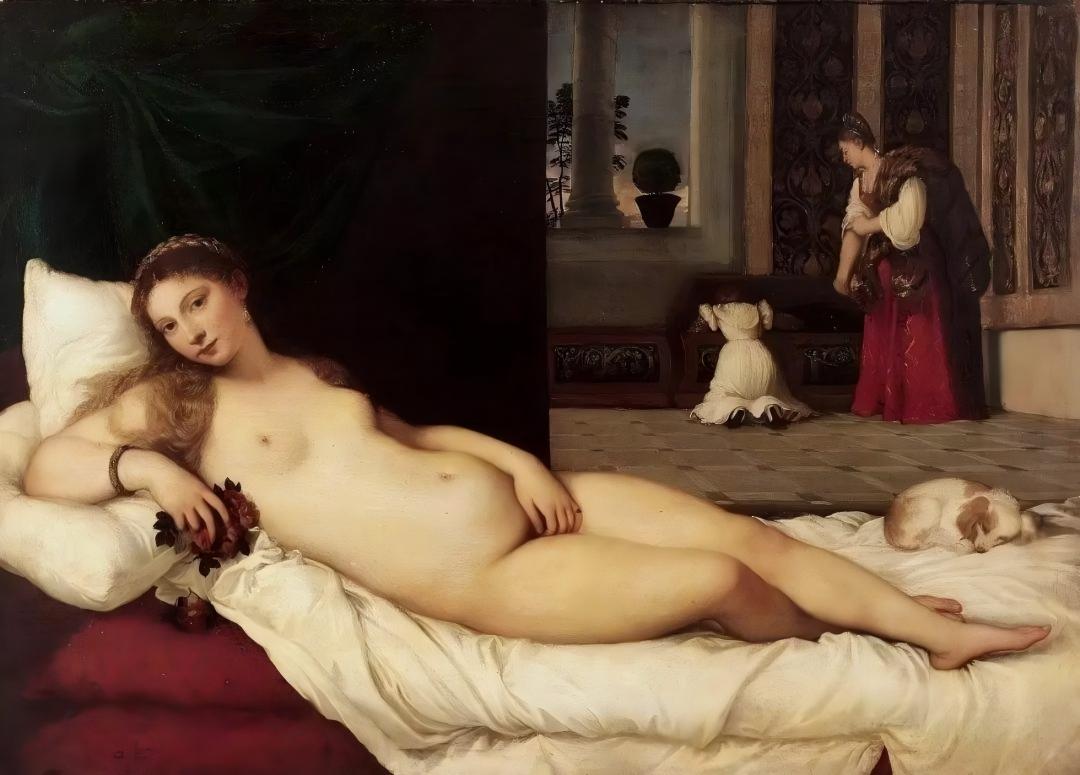
The Venus of Urbino (1538) is one of Titian’s most famous paintings of the female nude, now housed in the Uffizi Gallery in Florence. This painting places Venus on a secular couch against a backdrop of aristocratic interior life. Titian masterfully depicts Venus’s voluptuous figure and serene gaze; her reclining posture is elegant and natural, her eyes looking directly out of the frame, seemingly seeking the viewer’s attention. The dark green curtains, red cushions, and white silk create a striking color contrast, generating a luxurious yet warm atmosphere. This work not only showcases Titian’s idealized portrayal of female beauty but also embodies the Renaissance’s celebration of human desire and the essence of life.
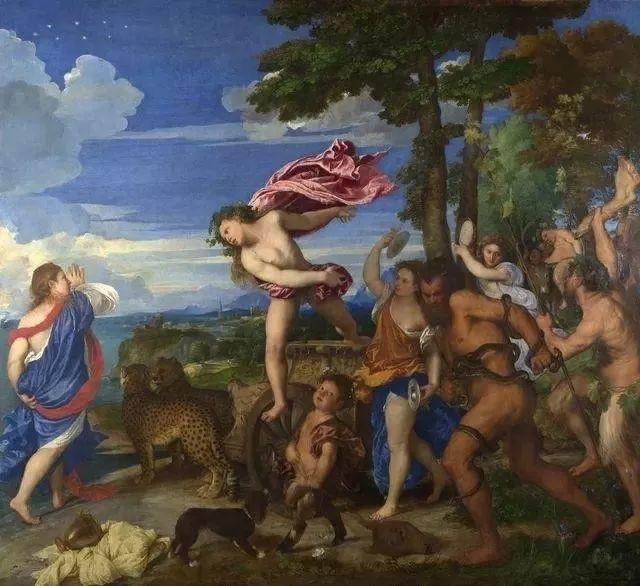
Bacchus and Ariadne (1520-1523) is Titian’s masterpiece on the mythological theme, now housed in the National Gallery, London. This painting depicts the moment Bacchus and Ariadne, the Cretan princess, meet on an island. In the painting, Bacchus leaps from his chariot toward Ariadne, becoming the prominent center of the composition and creating a powerful visual impact. The foreground figures, rendered in warm tones, stand out vividly against the simple blue sky and sea, filling the entire scene with youthful energy and a joyful rhythm. Through skillful composition and vibrant colors, Titian portrays the mythological story in a way that is both romantic and dramatic, earning it the reputation of being “an ode to youth, life, and joyful living.”
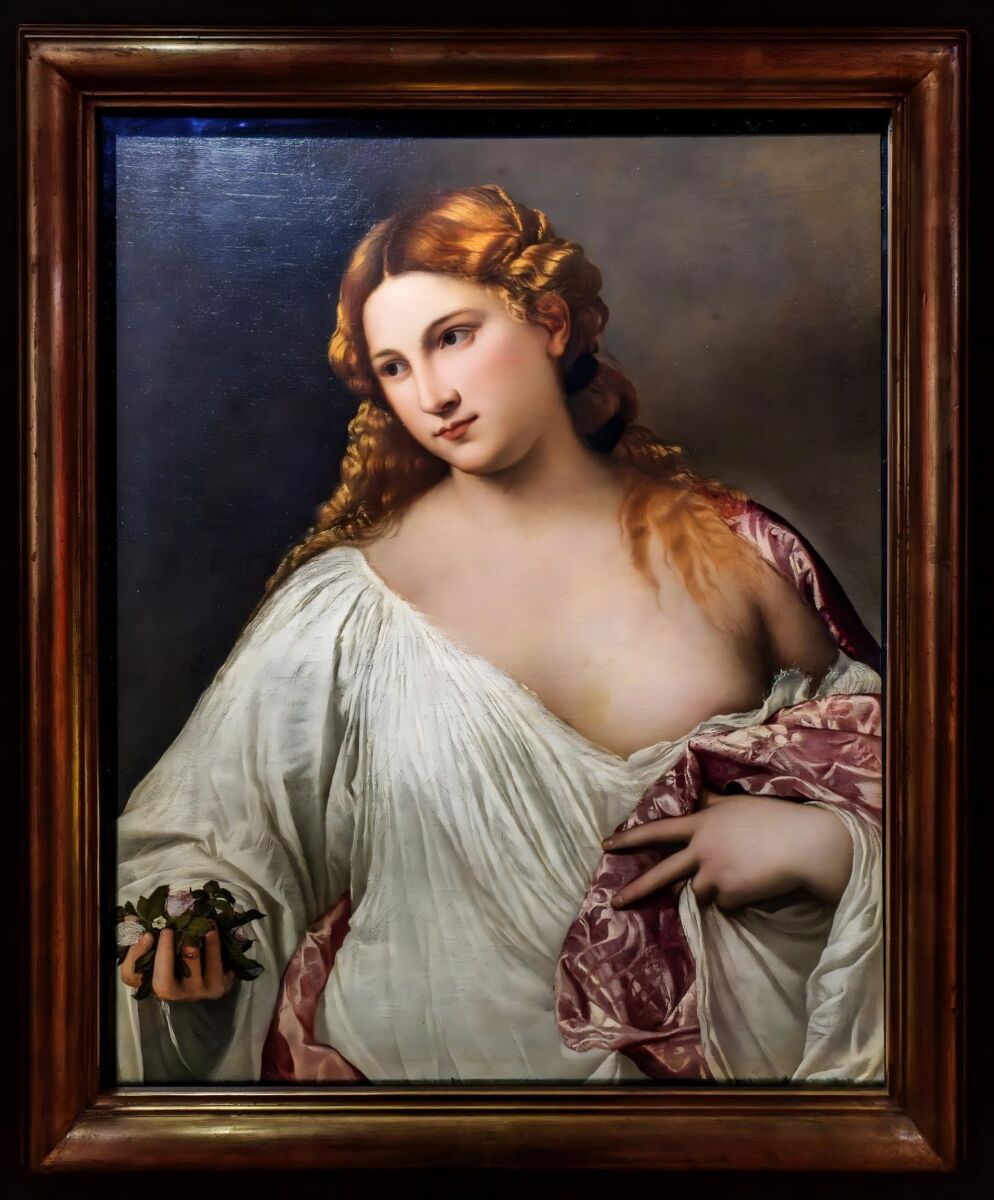
Flora (1515-1520) is a half-length portrait by Titian, hailed as the finest work in Renaissance art depicting the ideal of female beauty. The painting portrays a Venetian beauty holding a bouquet of flowers, dressed in opulent attire and adorned with a floral crown; her entire image is as captivating as a blooming flower. Titian meticulously depicted the figure’s facial expression and clothing details, using soft lighting and rich color gradations to create a woman who is both healthy and beautiful, and full of wisdom. It is said that the woman in the painting was Titian’s lover at the time, and the painter used mythology to express his own affection for her. This work is not only a significant milestone in Titian’s artistic exploration but also a perfect embodiment of the Renaissance’s pursuit of beauty.
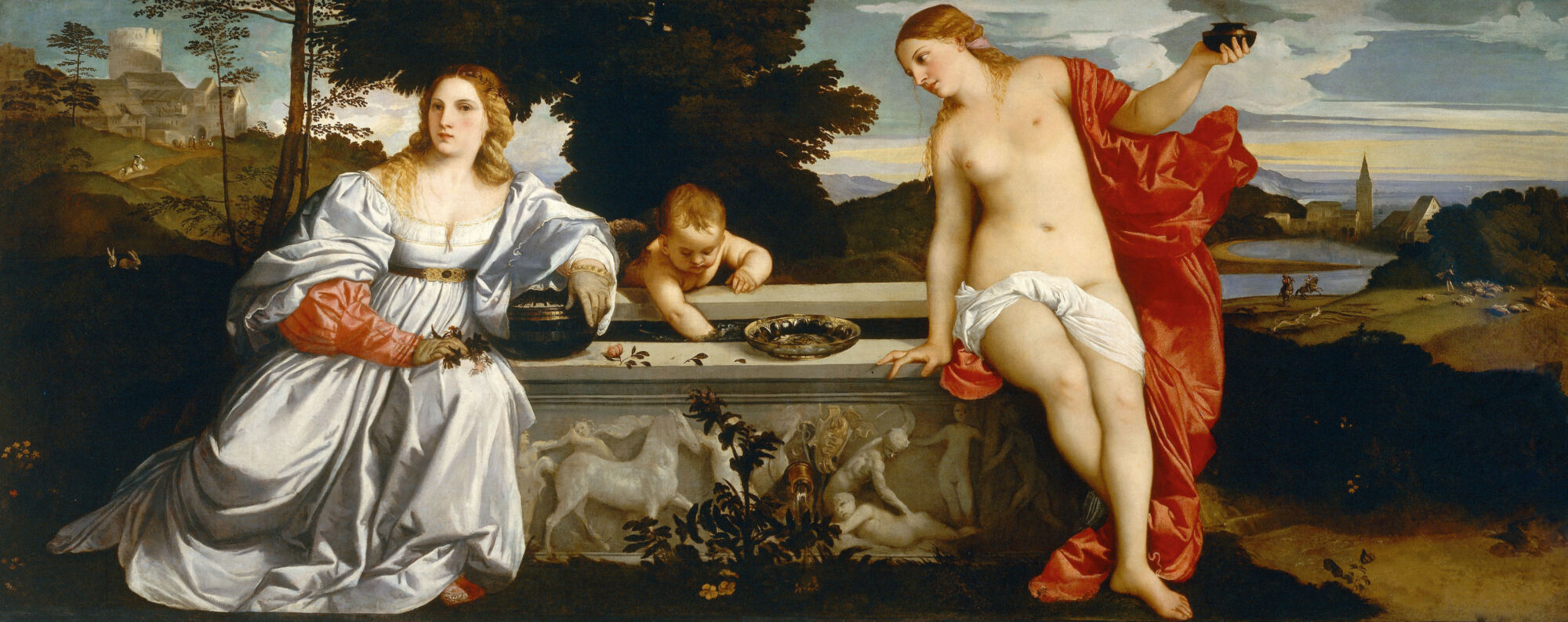
Sacred and Secular Love(1512-1515) is Titian’s first representative work showcasing the maturity of his personal style, now housed in the Borghese Gallery in Rome. This painting was commissioned by Titian for the wedding of Nicola Aurelio and Laura Bagalotto in 1514. The painting depicts two women symbolizing sacred and secular love, positioned on opposite sides of the canvas. Sacred love is represented by a neatly dressed woman, while secular love is depicted as a nude woman. They each lean against a classical sarcophagus-shaped pool in the center of the painting, creating a striking contrast. The background landscapes also differ: the background for sacred love is a hilly fortress, while the background for secular love is a lakeside town, yet both are connected to the springs, rocks, and trees in the foreground. The nude women are depicted as healthy, beautiful, and radiant, showcasing Titian’s idealized portrayal of female beauty.
Artistic Characteristics and Historical Status
Titian’s artistic characteristics are mainly reflected in the following aspects: He skillfully used rich, bright, subtle, and accurate tones; his invented ochre yellow was frequently used in his works and is known as “Titian gold”; his brushstrokes were passionate, unrestrained, fluid, and unconventional; he created depth and three-dimensionality by combining color and light, adjusting the tones according to the direction of the light source; his works covered a wide range of subjects, including religion, mythology, and history.
Titian’s artistic achievements were not only highly praised in his own time but also had a profound influence on later generations. He is known as the “Father of Western Oil Painting,” and his use of color and brushstroke techniques became an important tradition in Western painting. Titian’s works had a significant impact on Baroque art, Romanticism, and Impressionism, and his artistic style and creative methods provided endless inspiration for later artists.
Titian created over a thousand works in his lifetime, of which about 300 survive. His representative works not only showcase the humanistic spirit of the Renaissance but also embody the unique understanding of color and light by the Venetian school of painting. These works remain treasures of major museums around the world, continuing to showcase Titian’s extraordinary talent as a “color magician.”
Related Posts