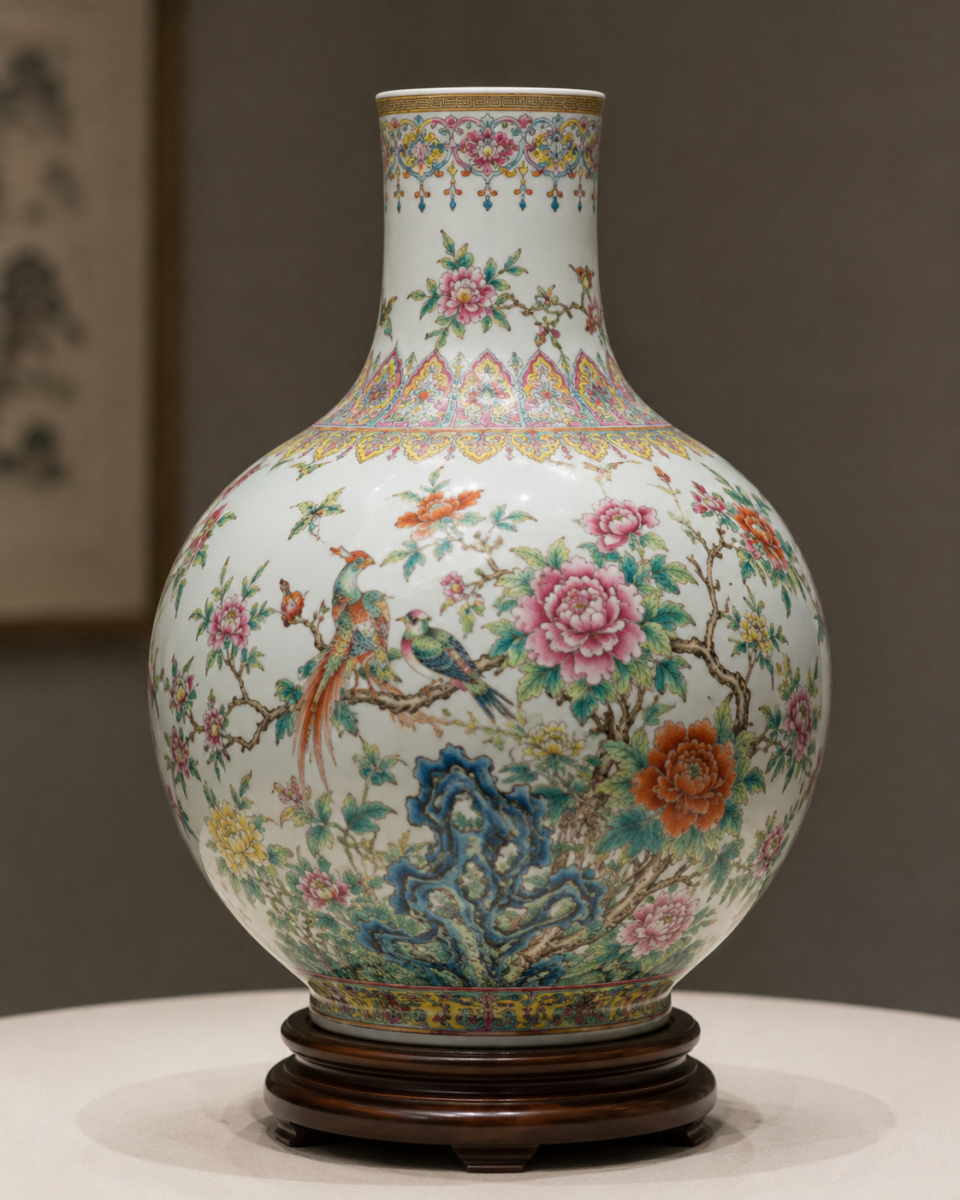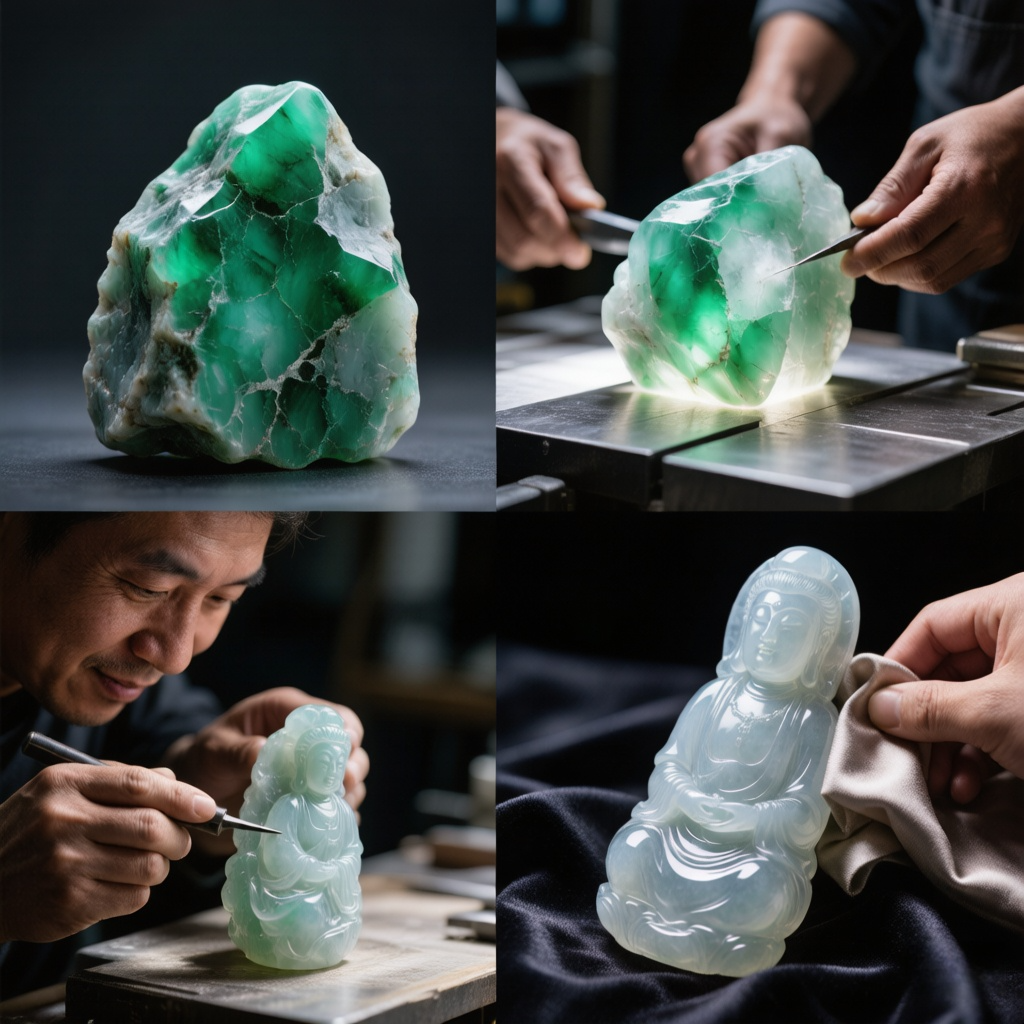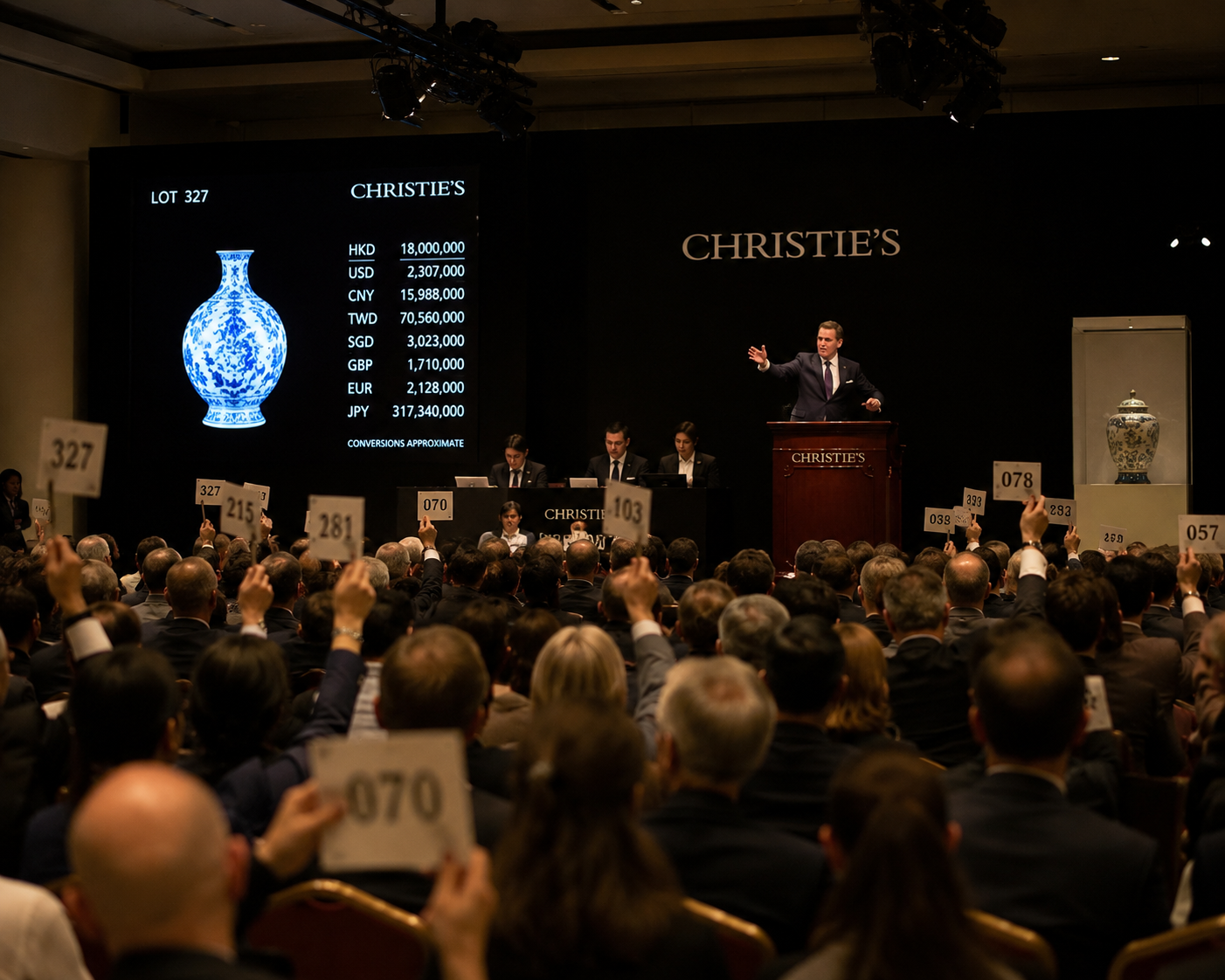
In recent years, as Chinese antique ceramics have continued to attract attention in the international…
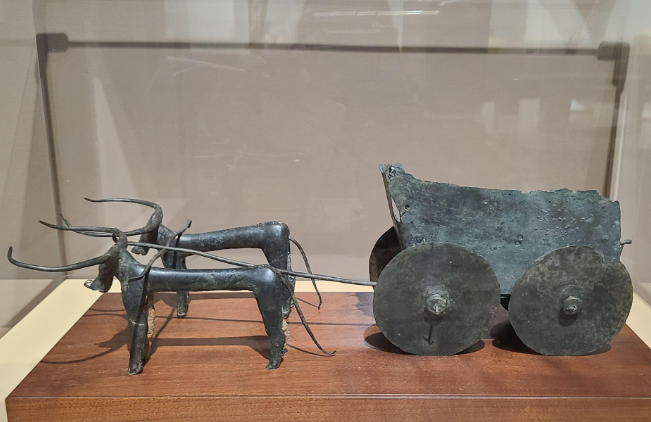
The Epic of Iron and Fire: How Humanity Ushered in the Metal Age
Today, when we handle a copper coin, admire a bronze cauldron, or marvel at the indestructible strength of iron tools, have we ever wondered: where did it all begin? How did humanity transition from shaping stones to harnessing the power of metals hidden within ores, a force that can only be awakened through the embrace of flames?
The beginning of this story is far older and more dazzling than we might imagine. It is not a tale of a single origin but a grand symphony of exploration, creation, and exchange composed by many ancient civilizations across Eurasia.
Chapter 1: The First Encounter with Metals
Long before the true birth of metallurgy, the metals that humanity first grew familiar with were those that existed in their natural forms—primarily gold and copper.
As early as the late Neolithic period, over 7,000 years ago, in Anatolia (modern-day Turkey) and Mesopotamia, people had already begun to pick up these shiny, naturally occurring metal nuggets. The earliest known use of metallic copper dates back to the 8th millennium BCE (approximately 10,000 years ago), with natural copper beads discovered at archaeological sites in southeastern Turkey. Through hammering, these soft, naturally occurring metals were crafted into ornaments. This marked the “enlightenment era” of human understanding of metals, though it was not yet true creation.
The turning point came from a profound realization of the relationship between “fire” and “stone.” Around 6000 BCE, the early inhabitants of Anatolia and Mesopotamia consciously placed specific ores (such as malachite and other copper ores) into kiln fires for the first time. Through high-temperature smelting, they obtained flowing red metal liquid—this was the beginning of artificial metal smelting.
Chapter 2: Bronze, the Catalyst of Civilization
The leap from smelting pure copper to creating alloys marked a pivotal breakthrough in human technological history. Around 3500 BCE, on the Mesopotamian plains, Sumerian artisans discovered that combining copper with tin yielded an entirely new material—bronze—with a bluish-gray hue, greater hardness, and superior casting properties.
Thus began the prologue to the Bronze Age.
This new material swiftly reshaped societies. In the royal tombs of Ur in Mesopotamia, astonishing artifacts of gold, silver, and bronze were unearthed, intricately linked with kingship and divine authority, heralding the first peak of metal artistry. Around the same time, this wave of technological innovation flowed eastward, profoundly influencing the Iranian plateau, the Oxus Civilization (Bactria-Margiana Archaeological Complex) in Central Asia, and even the Harappan Civilization of the Indus Valley.
But what about the distant East? In earlier understandings, the origins of Chinese bronze civilization appeared relatively independent. However, recent archaeological discoveries are painting a more complex picture. The bronze knife unearthed from the Majiayao cultural layer in Dongxiang, Gansu (circa 3000 BCE), was once among the earliest bronze artifacts in the Central Plains region. Even more groundbreaking are the latest archaeological findings from 2025: at the Gouwan site in Xichuan, Henan, bronze arrowheads and rod-shaped artifacts dating back approximately 4,500 years were discovered—the earliest bronze artifacts found in the Yangtze River Basin to date. This indicates that metallurgical activities in the middle reaches of the Yangtze River developed almost synchronously with those in the northern regions. Early bronze technology in China absorbed influences from the Eurasian steppe while also sprouting and evolving independently across multiple local regions.
From Mesopotamia to the Yellow River and Yangtze River basins, bronze was not only used to craft more efficient weapons (such as axes and swords) and tools but was also imbued with profound social and ritual significance, becoming a core medium for state sacrifices and symbols of power. As stated in the Zuo Zhuan: “The great affairs of a state lie in sacrifice and warfare.” Bronze, indeed, was the “vessel of gravity” that governed these two great affairs.
Chapter 3: Iron, the Resilience That Entered the Mortal Realm
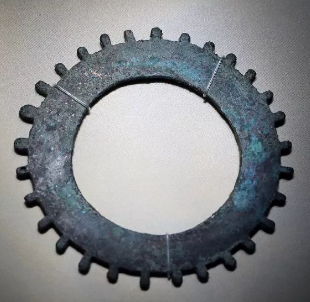
Though bronze was remarkable, tin ores were scarce. Humanity needed a harder and more accessible material to drive the next revolution in productivity. The answer was iron.
However, smelting iron requires higher temperatures than smelting copper. The earliest iron artifacts did not come from smelting but from beyond the skies—meteoritic iron. Beads made of meteoritic iron have been found in Egyptian tombs dating back to 3200 BCE. But the truly groundbreaking moment occurred around 1800 BCE in Anatolia. The Hittites, who lived there, were the first to master the technology of artificial iron smelting (primarily through the bloomery process) and, for a time, guarded it as a state secret.
After the collapse of the Hittite Empire (around 1200 BCE), iron smelting technology spread like wildfire to West Asia, Europe, and the East. Around the Spring and Autumn period (8th–5th centuries BCE), this technology made its way to China via Central Asia. Chinese artisans demonstrated astonishing abilities to learn and innovate: almost immediately upon encountering bloomery iron, they pioneered the more advanced technology of cast iron smelting (the molten reduction method, requiring temperatures above 1200°C). This technology remained ahead of the West for over a millennium.
During the Warring States period, China’s techniques for softening cast iron and producing bloomery carburized steel matured. Iron farming tools and weapons completely replaced bronze, triggering profound transformations in agriculture, military affairs, and society. Iron, once a precious rarity, fully “entered the mortal realm,” becoming the cornerstone for building empires and cultivating the land.
Chapter 4: Metal, the Common Language of Intercultural Exchange
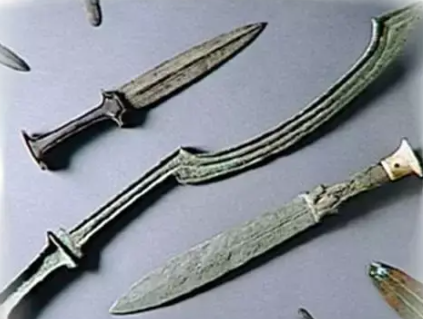
Looking back on this millennia-spanning journey of the origins of metallurgy, we find that the spread of technology was never truly hindered by mountains or deserts. The steppes of Eurasia and the precursors to the Silk Road formed the earliest networks of technological exchange.
A notable example is the “Seima-Turbino Phenomenon”: around 2000 BCE, a sophisticated bronze casting technique spread rapidly from the Altai Mountains across the northern Eurasian steppe. The distinctive weapon styles found across this vast region are strikingly uniform. Many early metal artifacts discovered in Xinjiang, the Hexi Corridor, and along the northern stretches of the Great Wall in China—such as mace heads and animal motifs—bear strong steppe influences, serving as vivid evidence of technological exchange between East and West.
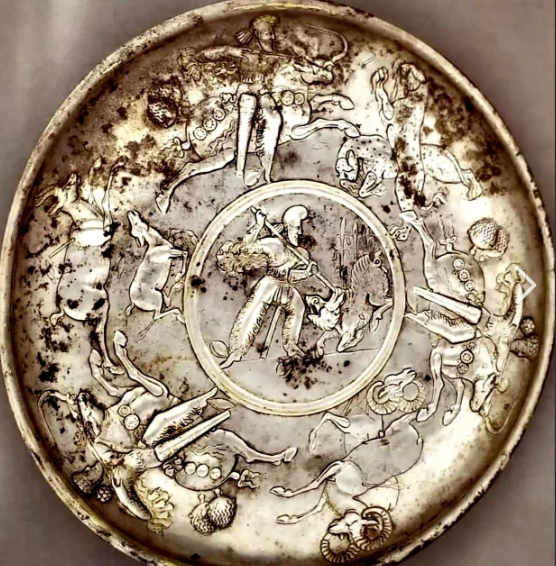
This exchange was a two-way process. Fine metalworking techniques originating from West Asia, such as hammering, granulation, and chasing, encountered the exceptional casting techniques indigenous to the Central Plains, together giving rise to even more splendid metal arts in later periods.
Epilogue
From the accidental hammering of a piece of native copper to the deliberate lighting of smelting furnaces; from the sacred ritual vessels of bronze to the widespread application of iron tools—the history of the origins of metallurgy is, in essence, a condensed history of the evolution of human civilization.
It was not merely an innovation in materials and technology but a series of revolutions in social organization, concepts of power, artistic aesthetics, and cross-regional cultural exchange. Every ancient metal artifact, whether weathered by rust or still gleaming with brilliance, encapsulates the explorations of our ancestors into the laws of nature, their aspirations for a better life, and their enduring efforts to seek resonance among different civilizations.
When we gaze upon these ancient glimmers of metal, we see not only the brilliance of the past but also the resilient, unyielding force that drives human civilization forward and sustains its vitality through continuous exchange and mutual learning.
Related Posts