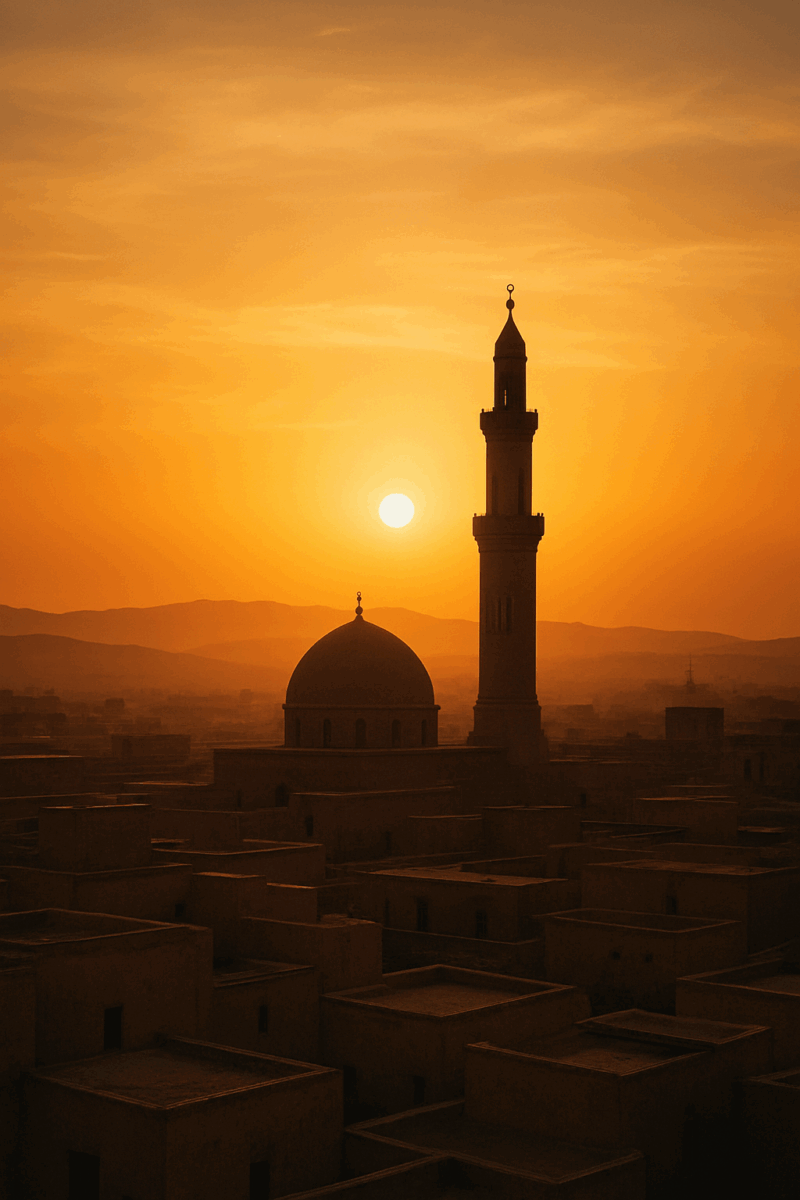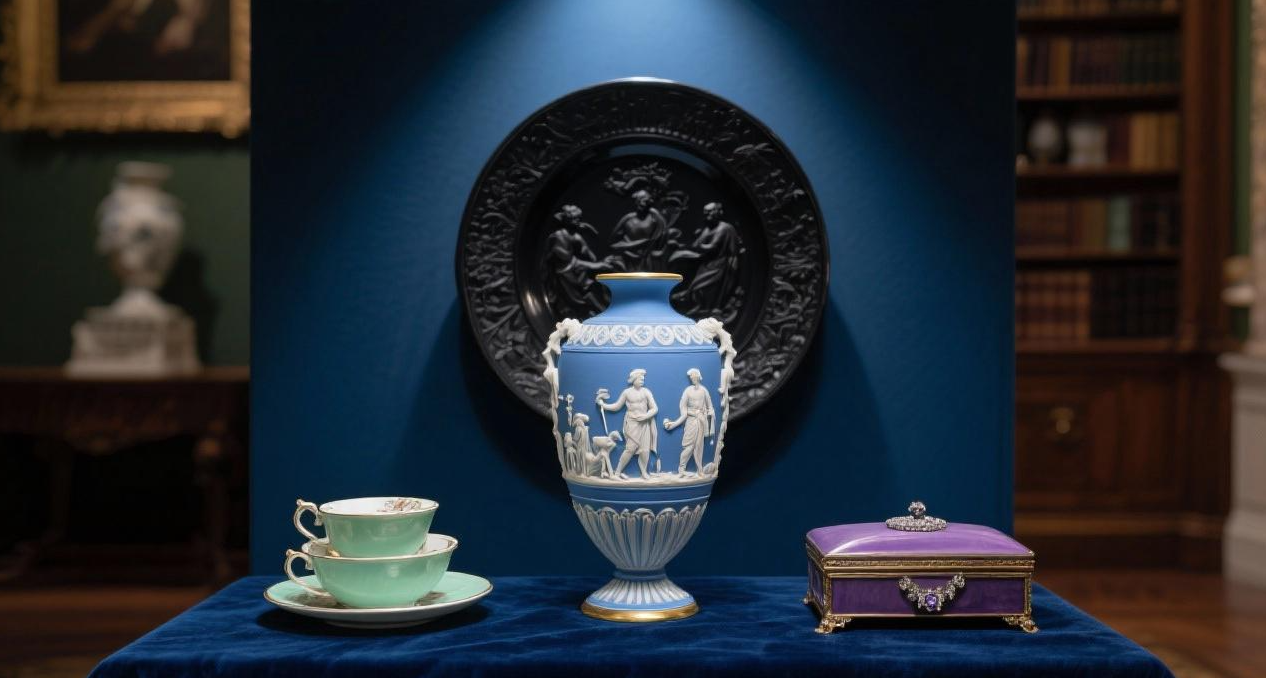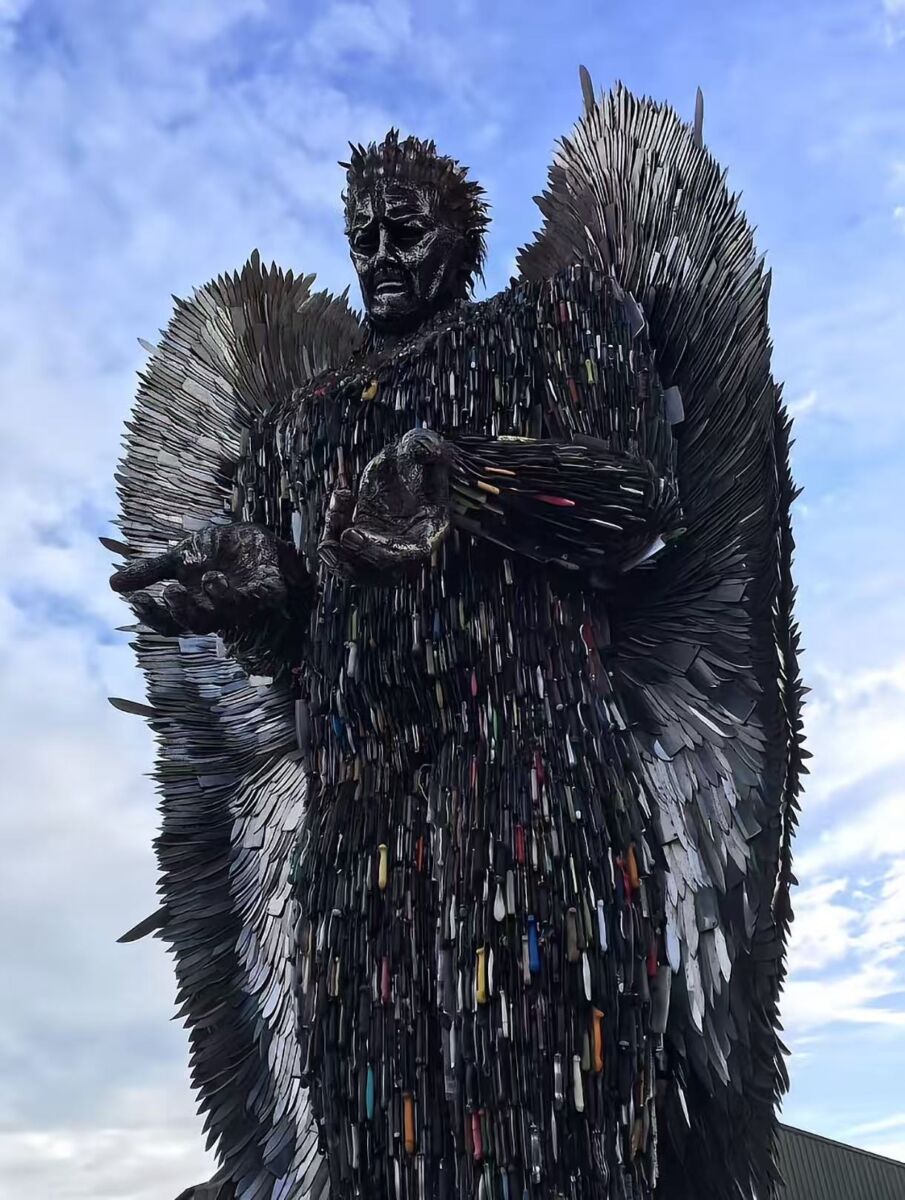
When we speak of the architectural aesthetics of the Middle East and North Africa, it…
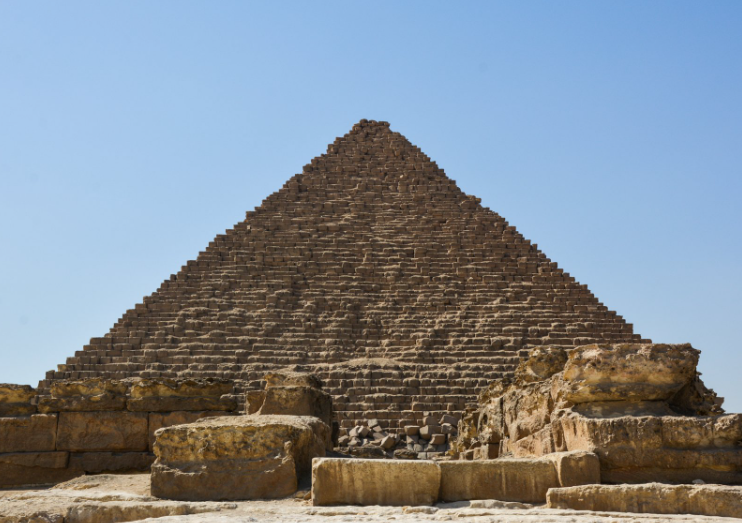
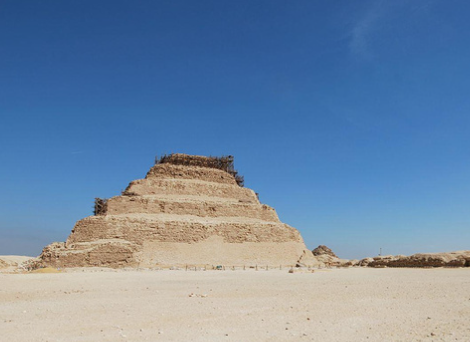
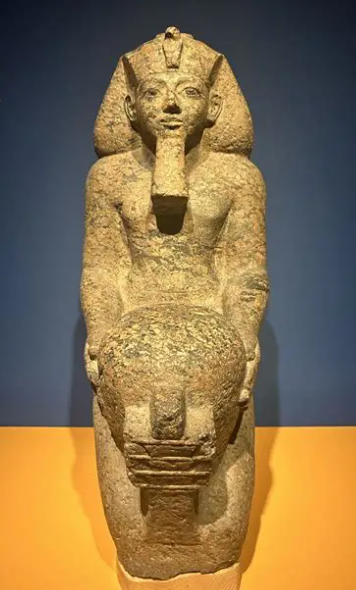
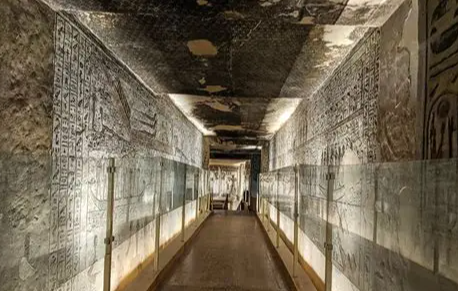
The pyramids: More than just tombs, they are the ladder to heaven for ancient Egyptian civilization.
Before going to Egypt, my understanding of the pyramids was the same as most people’s: the pharaohs’ tombs, one of the wonders of the world, a massive pile of stones. They lay quietly on the glossy pages of history textbooks—something already concluded, a static piece of knowledge.
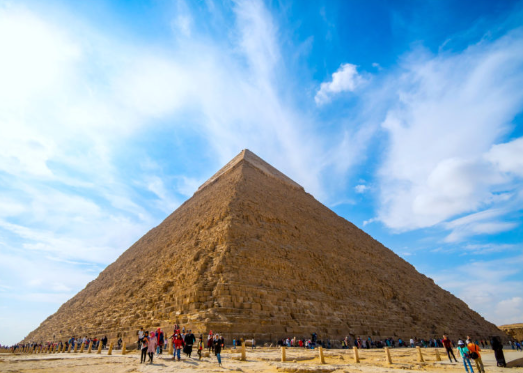
Until I stood on the sands of the Giza Plateau, scorched by the blazing sun and brushed by desert winds. When the Great Pyramid of Khufu rose before me with its overwhelming mass and presence, all those flat, lifeless words in my mind instantly collapsed. In that moment, I suddenly understood: the pyramid has never been a “dead” relic. It is a grand declaration—written in stone by the ancient Egyptians to the universe—about life and eternity.
I. “Built by Them”: Whose will, whose power?
We often credit the glory of the pyramids to the pharaohs—and that isn’t wrong. But the ones who truly lifted the stones were countless unnamed “them.”
The traditional belief that the pyramids were built by slaves is likely one of history’s greatest misunderstandings. Archaeological discoveries in the workers’ village near the pyramids have completely overturned this tragic narrative. There were bakeries, breweries, infirmaries, and even skeletal remains showing evidence of successful orthopedic surgery. Workers shared beef and mutton and received clothing as a form of “wages.”
They were not slaves, but most likely farmers working during the agricultural off-season, or skilled craftsmen recruited from across the country. For them, building the pharaoh’s “machine of immortality” was seen as a sacred public service—something they carried out with a sense of honor. Each massive stone may bear the proud graffiti marks of a particular team of builders.
So the pyramids’ “built by them” is the product of the pharaoh’s will combined with the wisdom, labor, and belief of thousands of craftsmen. It is not a symbol of oppression, but a miraculous feat of collective social mobilization.
Epilogue: What Are We Really Seeing When We Look at the Pyramids?
What we see is not a tomb, but the ancient Egyptians’ most powerful and uplifting interpretation of death. To them, death was not an ending—it was a distant journey that required meticulous preparation and heavy-duty “equipment.”
The pyramid is a launchpad, a beacon, a cosmic vessel designed to ensure that the pharaoh—their “interstellar traveler”—could reach the far shore of eternity. It concentrates the wealth, technology, faith, and imagination of a civilization at its peak.
As I left, the setting sun cast the pyramid in a golden glow. I thought: every era’s onlookers draw different strength from it—about the limits of engineering, the purity of belief, and humanity’s innocent yet heroic ambition to defy the erosion of time.
There it stands, silent as a riddle, steady as a mountain. It answers every question about life and eternity—four and a half millennia of silence.
Related Posts