
Before the mysterious smile of the Mona Lisa in the Louvre, and beneath the profound…
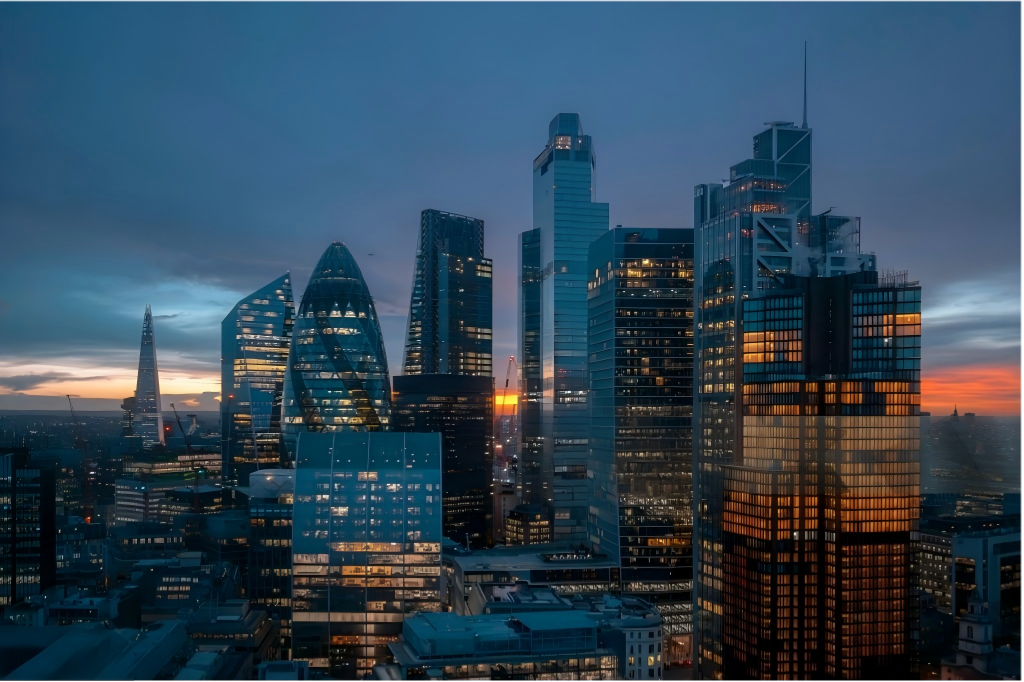
Reading architecture on the streets of London
Walking in London is a unique way of reading. Here, no books or deliberate observation are needed; the city itself is the most complete and open text. Every building is a chapter, every street a narrative, every corner a new pause. When you read architecture in London, you are actually reading civilization, reading time, and reading how humanity responds to life through space.
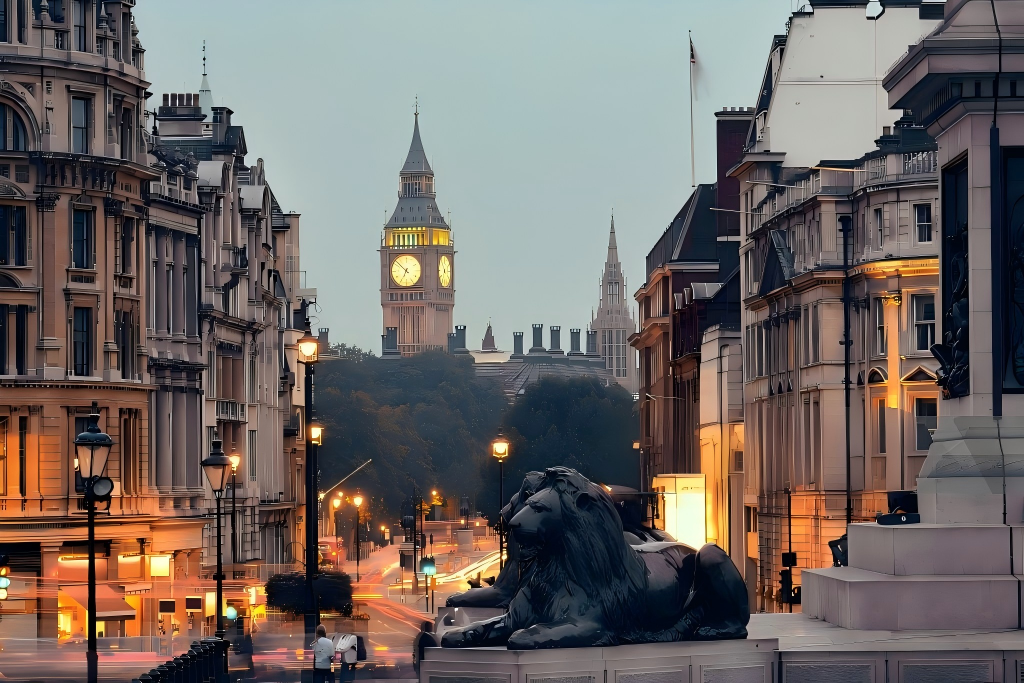
The City’s Opening Chapter: A Historical Prelude Written in Bricks and Tiles
London’s architecture doesn’t captivate with grandeur, but rather with its details. Especially the red-brick houses bearing the marks of the Victorian era, like softly sung old poems. The texture between the bricks, the carvings on the window lintels, the flowing lines of the wrought iron balconies—every detail seems to carry the warmth of the 19th-century era of fine craftsmanship.
You’ll see traces of soot preserved in the brickwork, the breaths of the Industrial Revolution; you’ll see old-fashioned chimneys lining the rooftops, a true reflection of family life back then; you’ll see small shop spaces preserved in the streets and alleys, an ancient way London organized society and commerce by street.
These buildings are unassuming, yet quietly constitute the city’s “muscle memory.”
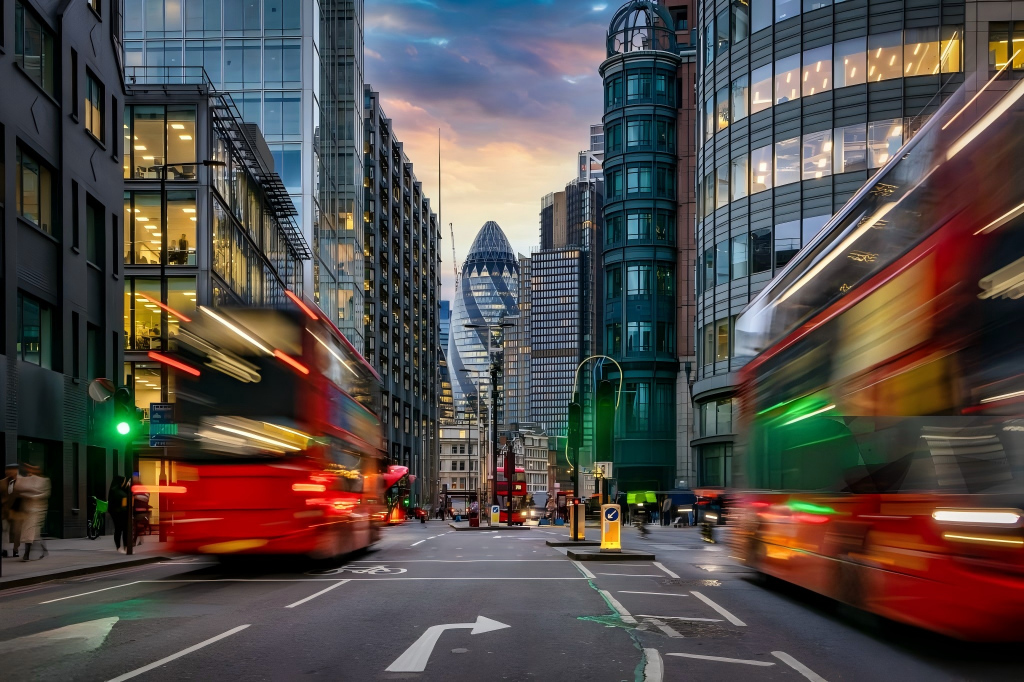
Juxtaposing Eras: London’s Most Unique Architectural Grammar
London’s charm lies in its refusal to force buildings from different eras to compromise. Instead, it places them side-by-side, using their differences to compose the city’s rhythm.
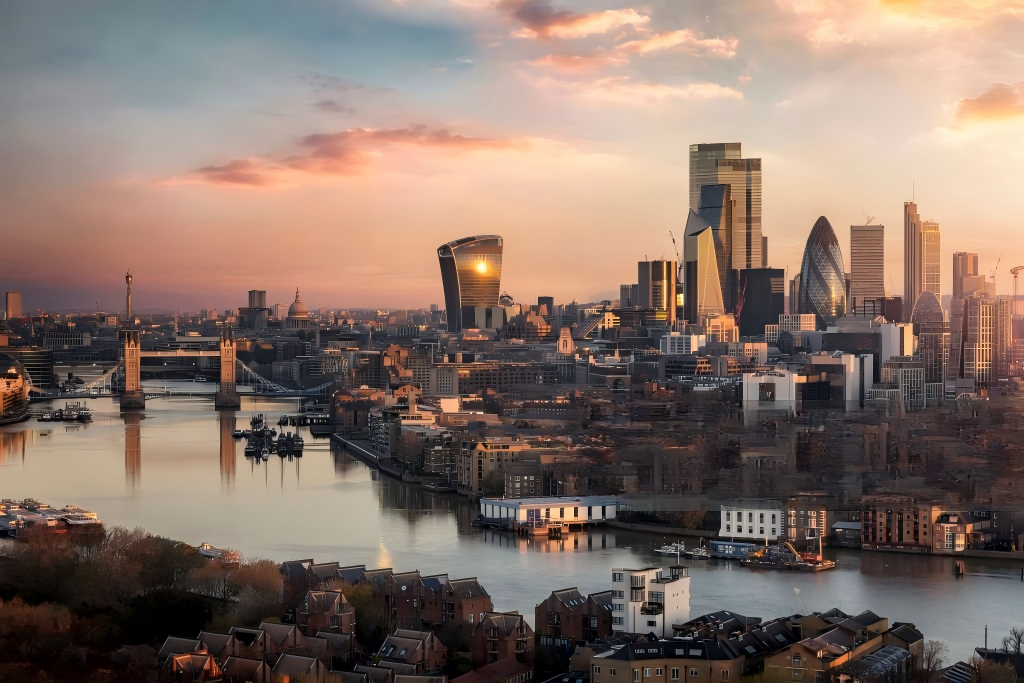
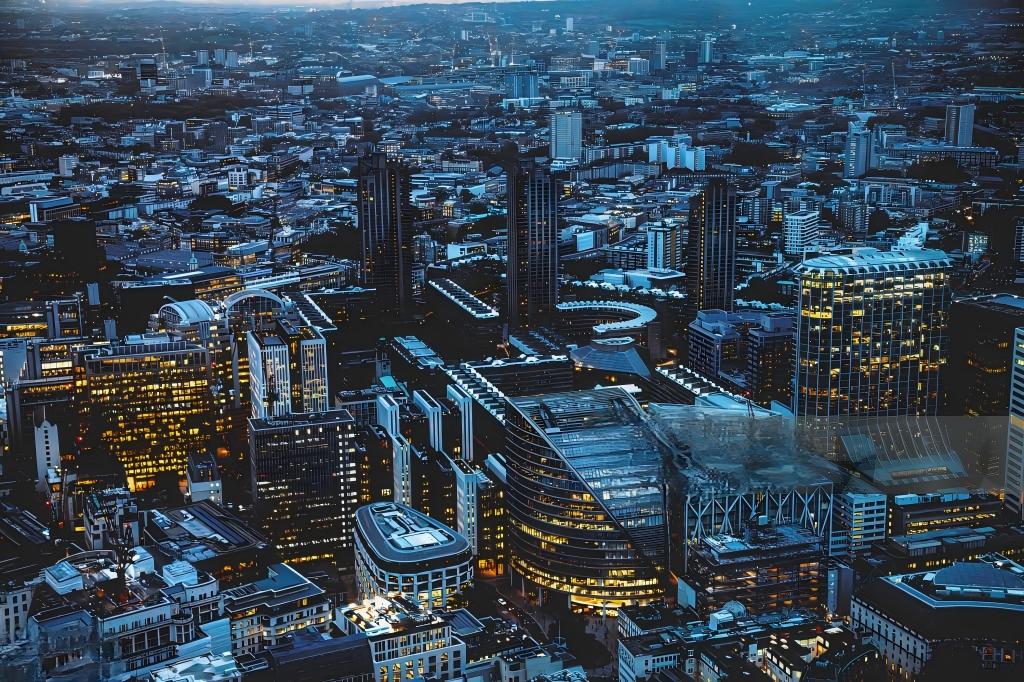
Beside the ancient Tower Bridge, you’ll see modern buildings like The Shard, their sharp glass facades piercing the sky. This isn’t conflict, but a dialogue—the craftsmanship of two eras reflecting each other, each representing a different height of civilization.
In the city center, classical facades often connect with modernly renovated glass boxes, like a new font suddenly appearing on an old page. London embraces this mixture, incorporating it all into the city’s narrative structure, making the entire city like an ever-evolving novel.
This “juxtaposition” is not chaos, but freedom; not compromise, but creation.
Seeing Life in the Neighborhood: Architecture as a Vessel for the City’s Emotions
London’s architecture is never isolated. It doesn’t exist to please the audience, but rather originates from life, serves life, and ultimately reflects life.
In front of the colorful terraced houses of Notting Hill, you’ll feel a light, romantic atmosphere: soft pink, lake blue, and lemon yellow are all expressions of life by the residents; in Shoreditch, you’ll see graffiti on brick walls and industrial-style warehouse spaces, the streets like a stage for artists and youth culture; in Kensington, elegant white terraced houses reveal the restraint and elegance of British aristocracy.
London’s neighborhoods possess an incredibly diverse range of emotions; behind each architectural style lies the shadow of social structure, collective memory, and the values of its time. Reading them is like reading different people.

London’s Streets: A Never-Ending Architecture Classroom
London’s streets possess a wondrous educational quality. Architecture students walking here are attending classes; artists pausing here are gathering inspiration; travelers getting lost here are making discoveries.
You don’t need complex theories; simply let your gaze wander through the scale of the streets, the proportions of the buildings, and the interplay of light and shadow, and you’ll feel how urban space influences people’s rhythms and emotions.
In London, even without understanding architecture, you can read architecture; even without speaking the language, you can understand the city.
Reading Yourself in the City
Every city is a book, and London is particularly adept at storytelling. When you read architecture on the streets, you may not be reading bricks and roofs, but rather your own feelings—a nostalgia for the classical, awe at the modern, an imagination of life, and a sensitivity to space.
Architecture is silent, yet its silence contains the power of time. Any moment you slowly walk through can become a unique footnote in your life.
The streets of London will not end, the stories of its architecture will not end; and your reading of the city will never end.
Related Posts