In the history of world architecture, few buildings have answered one of humanity’s oldest questions…
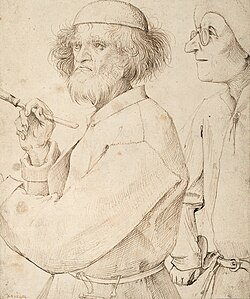
Pieter Bruegel the Elder: A painter who writes about human destiny through everyday life
Pieter Bruegel the Elder (c. 1525–1569) was one of the most influential painters in the 16th-century Netherlands and a rare master in European art history who truly centered his narratives on “ordinary people.” He did not depict the splendor of the court or religious miracles, but instead focused on peasants, festivals, labor, and the seasons, revealing the complexity of human nature, the order of society, and metaphors of fate within seemingly mundane scenes of life.
A Realist Across Time, Known as the “Peasant Painter”
Bruegel is often called the “Peasant Painter,” but this title is not derogatory. Unlike many artists of his time who pursued idealized beauty, he chose to depict real people: dancing peasants, hardworking harvesters, and boisterous wedding guests. These figures are not idealized, but rather full of vitality.
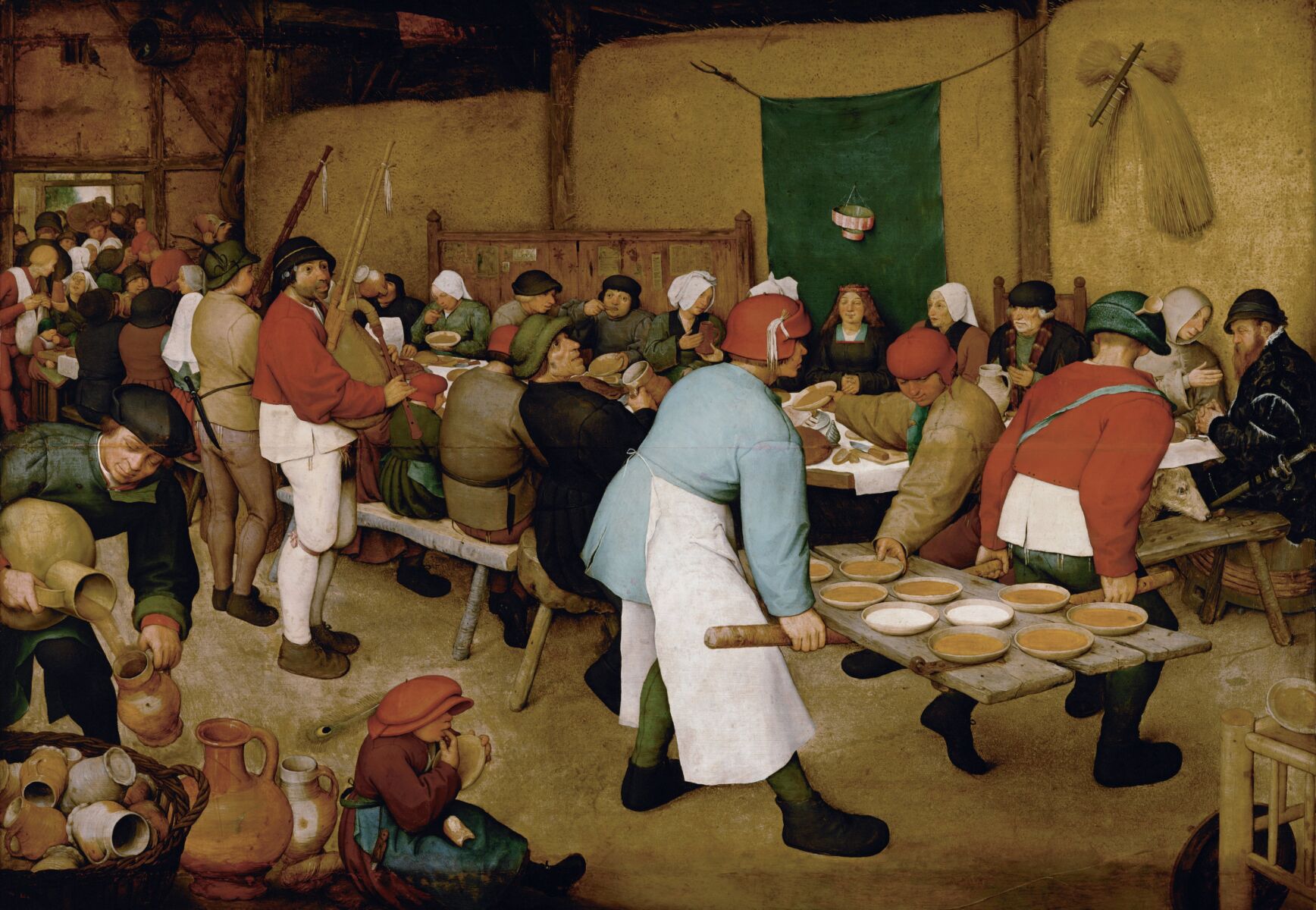
In The Peasant Wedding, the scene is crowded yet not chaotic; each figure has a clear action and identity. Bruegel does not mock the peasants, but rather records their daily rhythms with a calm, observer’s perspective.
Netherlandish Proverbs: A Visual Encyclopedia of Society
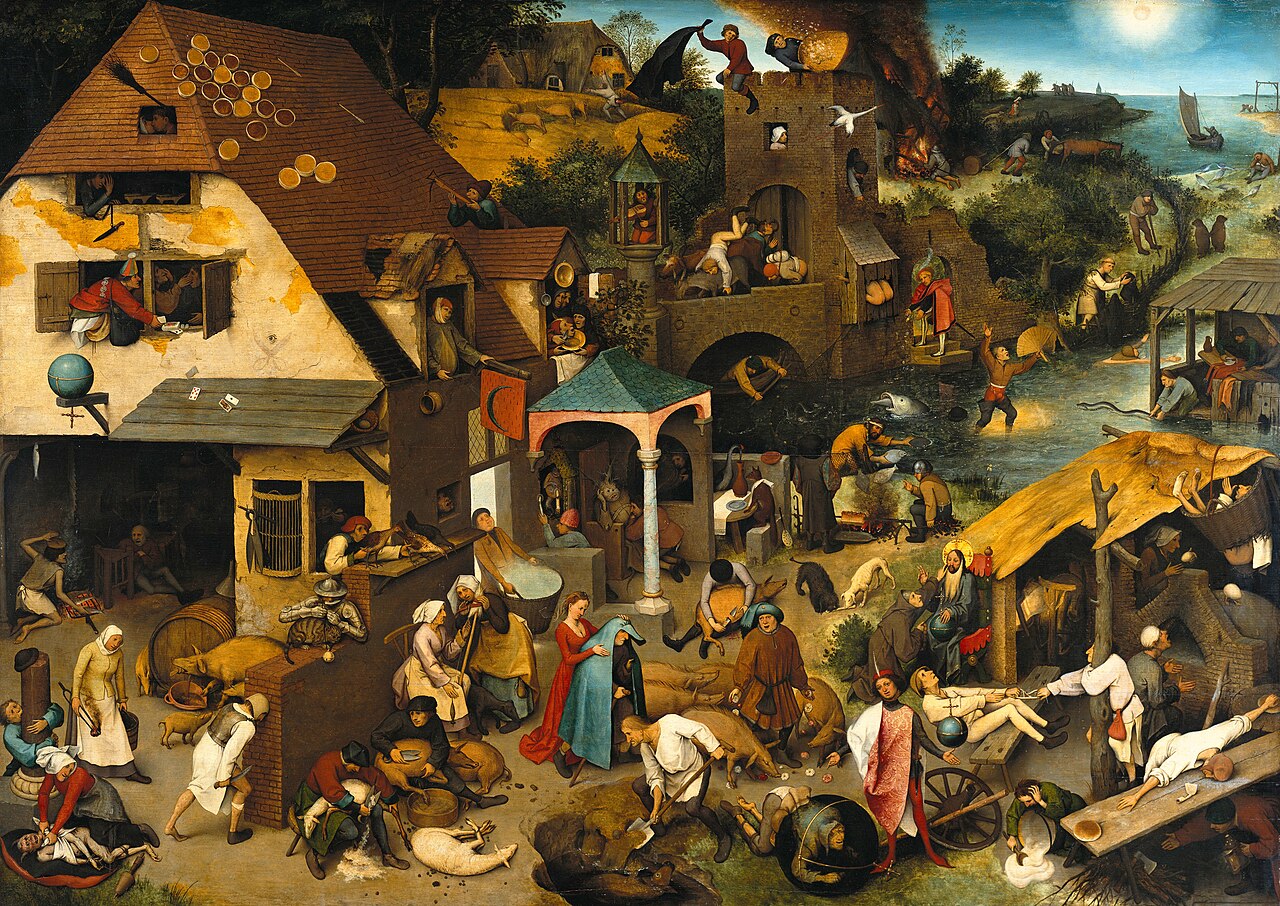
Netherlandish Proverbs (1559) is one of Bruegel’s most thought-provoking works. The painting contains over a hundred popular folk proverbs of the time, and the actions of each figure subtly convey satire or warning.
The Tower of Babel: Grand Ambition and Inevitable Collapse
In religious works, Bruegel maintains a humanistic and realistic perspective. The Tower of Babel (c. 1563) is not merely a biblical illustration, but a metaphor for power, ambition, and failure.
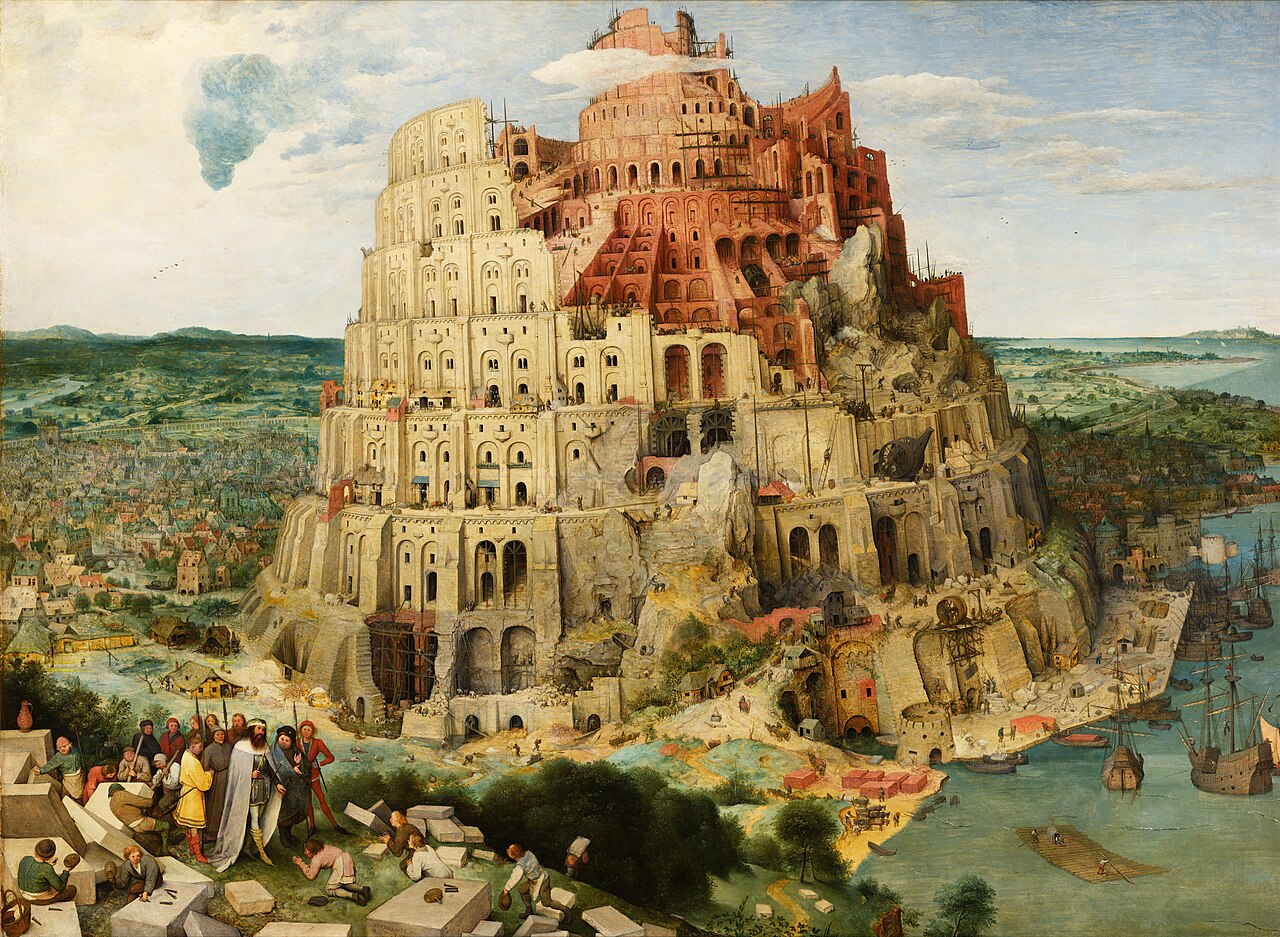
The towers are magnificent yet structurally unstable; the crowds are busy yet their goals are fragmented. Bruegel uses architecture as a metaphor for the chaos of language, suggesting that any grand plan divorced from humanity and order will ultimately collapse.
The Overlooked Depth: The Philosopher Behind the Humor
On the surface, Bruegel’s paintings are full of humor, detail, and “visual appeal,” but their true value lies in his insight into social structures and human nature. He neither preaches nor embellishes reality, but allows the viewer to reflect for themselves through the images themselves.
For this reason, his work not only influenced the later Netherlandish school but also profoundly impacted modern sociological visual narratives.
Conclusion: Bruegel, Belonging to All Ages
Bruegel does not belong to any one era. He painted 16th-century peasants, yet he spoke of timeless humanity; he depicted religious stories, yet he questioned the order of the real world.
In today’s information-saturated, chaotic, and collectively driven world, re-examining Bruegel may be more meaningful than ever before.
Related Posts