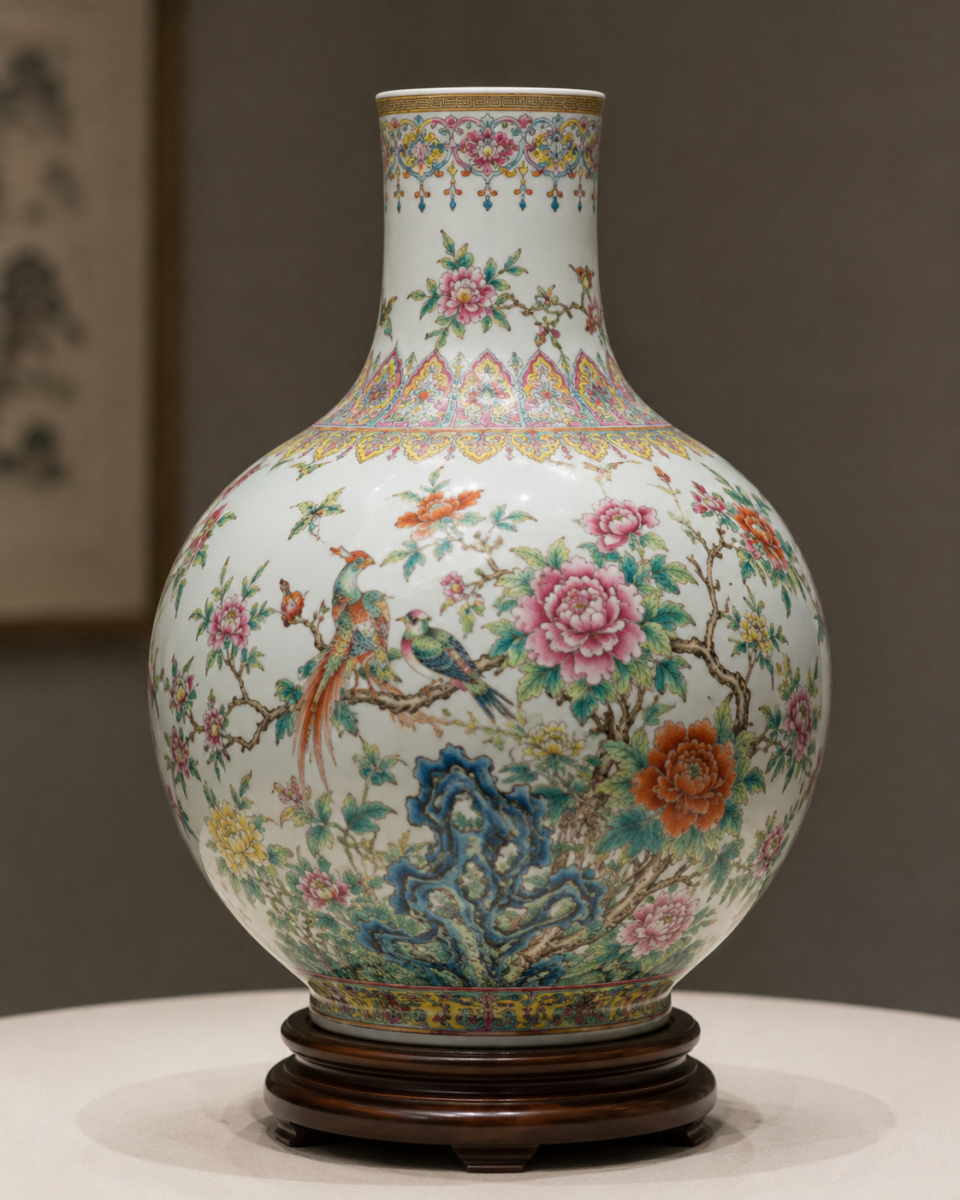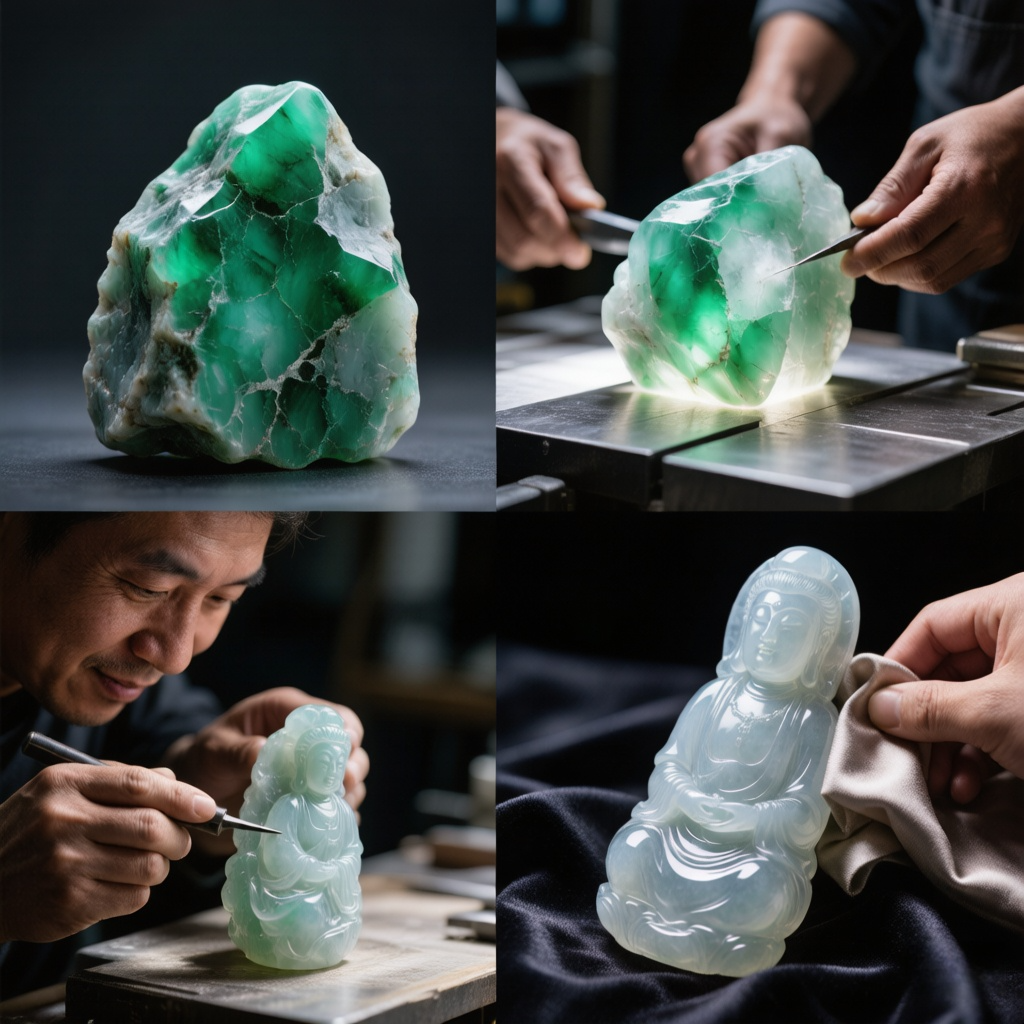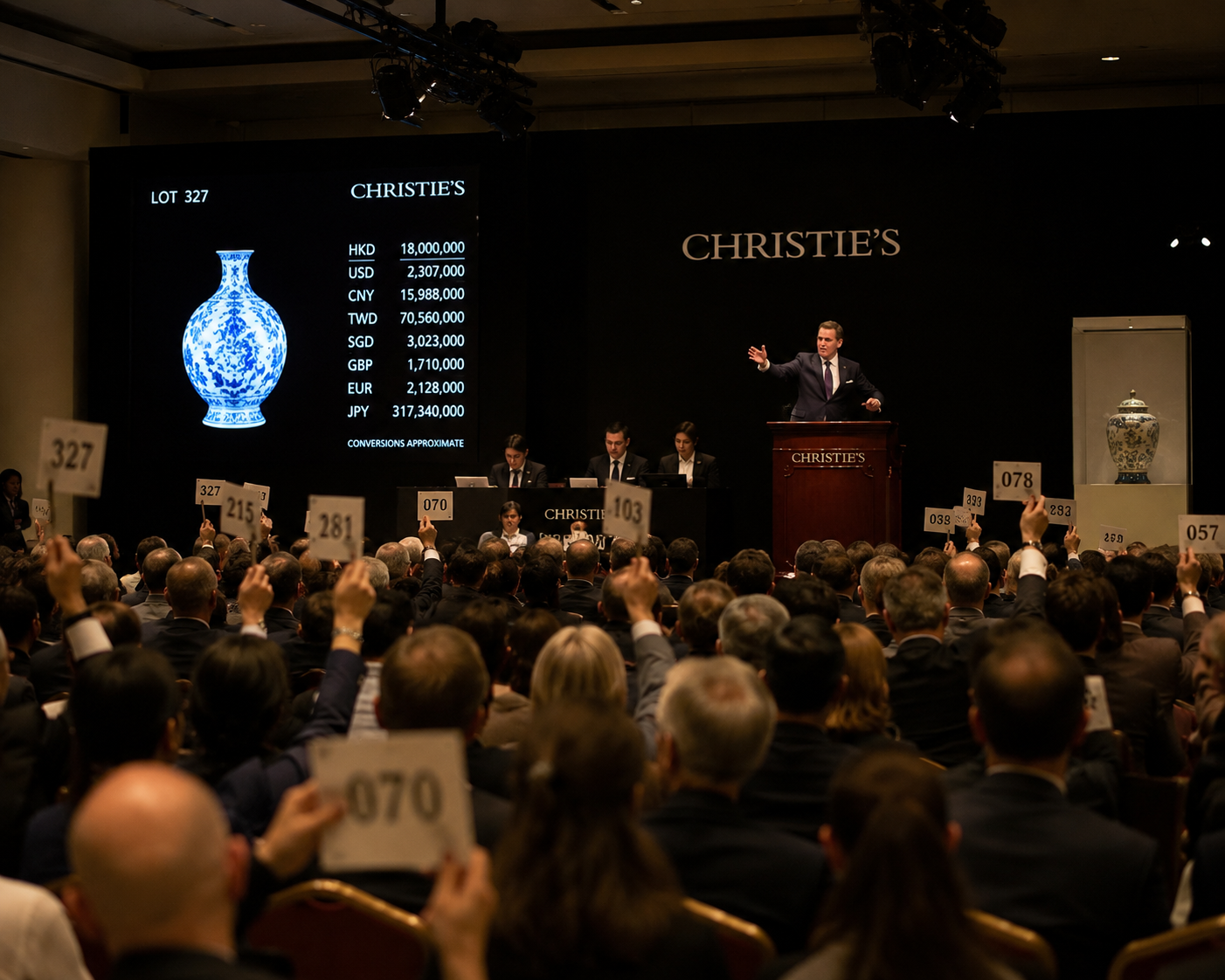
In recent years, as Chinese antique ceramics have continued to attract attention in the international…
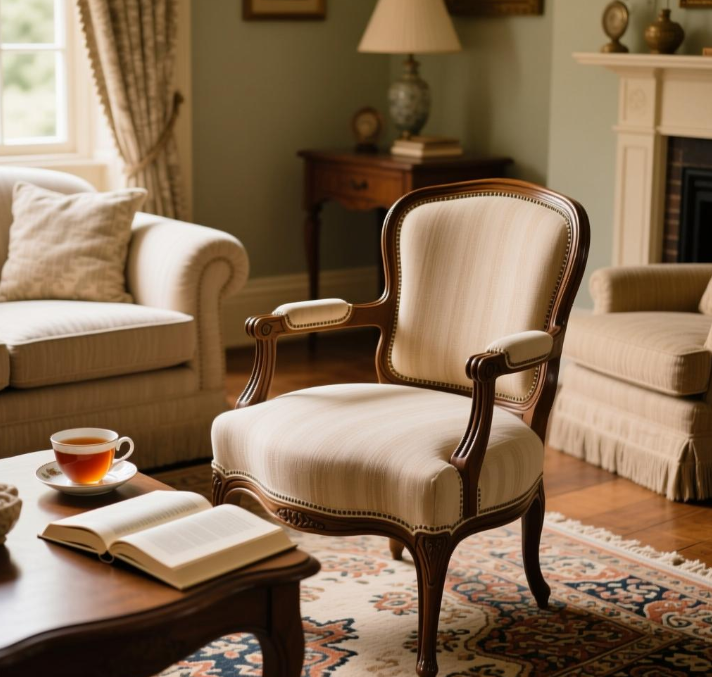
Windsor Chair: A Timeless Symbol of English Living
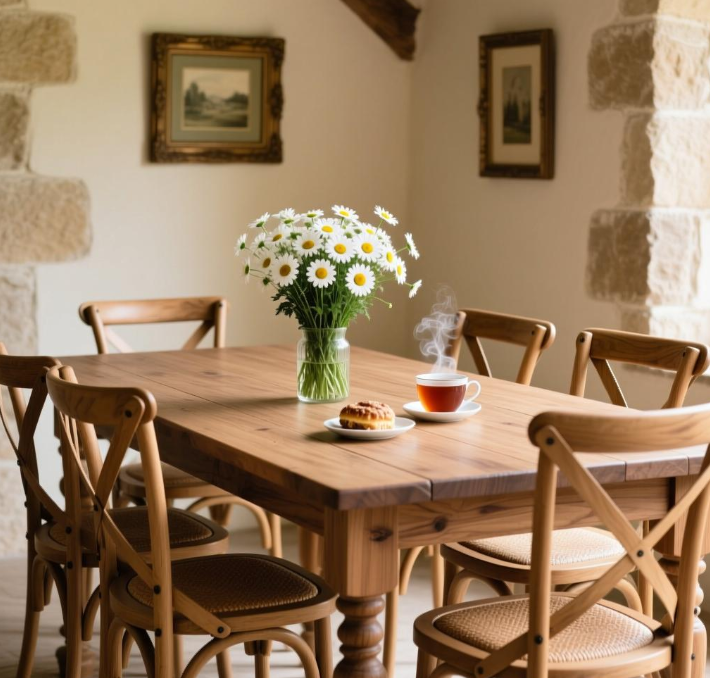
Among the rich tapestry of British furniture, the Windsor chair, with its unique minimalist aesthetic and practical value, stands as one of the most representative British designs. Originating in the 18th-century countryside, this chair not only witnessed the social changes in England but also became a timeless symbol of British lifestyle aesthetics.
Origin: The Wisdom of Rural Craftsmen
Birth in the Thames Valley
The Windsor chair first appeared in the Thames Valley region at the end of the 17th century. Local craftsmen utilized abundant beech, elm, and birch resources to create this lightweight yet sturdy chair. Its name comes from a small town near Windsor Castle, where King George II is said to have discovered it while seeking shelter from the rain and introduced it to the court.
Unique Structural Innovation
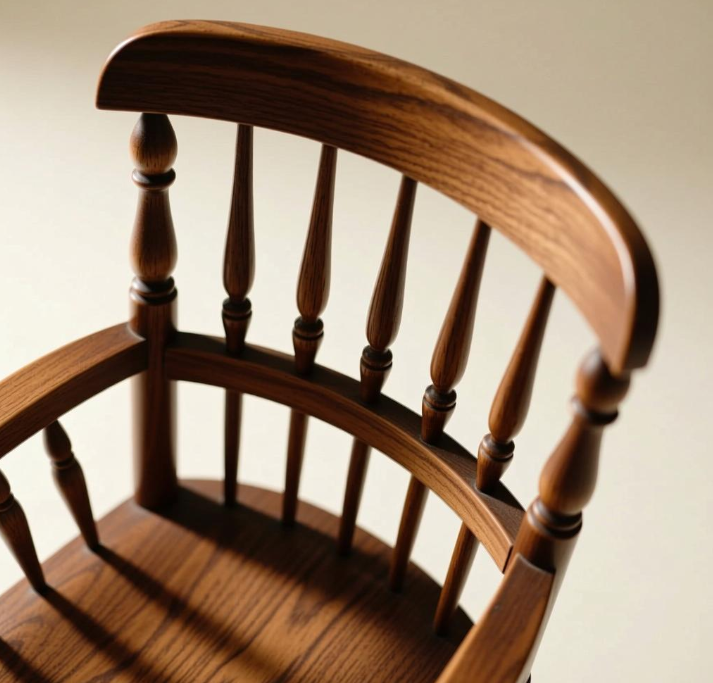
Unlike other chairs of the time, the Windsor chair’s greatest innovation lay in its unique construction: the legs were directly inserted into the heavy seat, and the spindle-shaped posts of the backrest were also directly inserted into the seat. This “direct insertion” technique made the chair exceptionally sturdy and suitable for mass production.
Evolution: Style Changes from Country to Urban
Early Country Style (1700-1750)
Early Windsor chairs were rugged in form, with thick seats and coarse spindle backs. They were primarily made from locally sourced, easily bent wood, usually left to retain their natural color or simply varnished. This unpretentious design perfectly suited the practical needs of rural life at the time.
The Chippendale Influence Period (1750-1800)
In the mid-18th century, influenced by the Chippendale design style, Windsor chairs began to feature exquisite carvings. Backrests became more elegant, with variations such as arched and fan-shaped backs appearing. During this period, Windsor chairs began to enter urban middle-class homes.
The Victorian Era’s Luxurious Transformation (1830-1900)
In the Victorian era, Windsor chairs became more refined and ornate. Spindle backs became more slender, and intricate designs such as openwork backs emerged. Different types of wood began to be used for inlay decoration, and dark varnishes became popular.
Types: A Diverse Design Lineage
Backrest Shape Classification
Arched Back Windsor Chair: The backrest is gracefully arched, the most classic type.
Comb Back Windsor Chair: The backrest is arranged like the teeth of a comb.
Hoop Back Windsor Chair: The backrest has a circular crossbar at the top.
Fan Back Windsor Chair: The spindle-shaped backrest spreads out to both sides like a fan.
Functional Variations
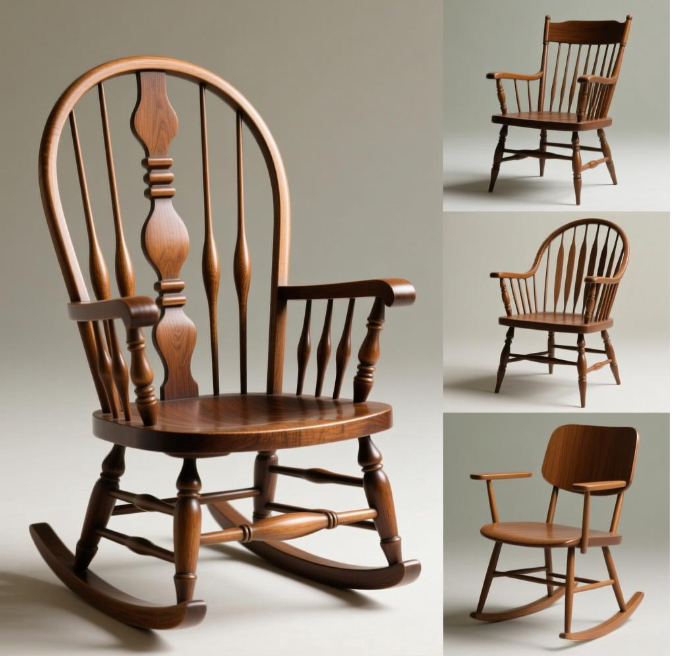
From simple dining chairs to armchairs, rocking chairs, and even garden benches, the Windsor chair has evolved into a rich variety of types. Among them, the “Wheelchair Windsor Chair,” named for its resemblance to a unicycle, is a classic feature of English country pubs.
Craftsmanship: The Preservation of Traditional Techniques
Wood Selection and Treatment
Traditional Windsor chairs use a variety of woods: elm is commonly used for the seat as it is easy to carve; bendable beech is used for the legs and spindles; and other parts may be made of oak or birch. Each type of wood undergoes rigorous drying to ensure the finished product does not crack or warp.
Steam Bending Technique
The most distinctive feature of the Windsor chair’s craftsmanship is its steam bending technique. Craftsmen soften the wood in a steam chamber and then bend it into the desired shape. This technique not only saves wood but also makes the chair more robust and durable.
The Allure of Hand-Carved Details
Despite its simple structure, each Windsor chair incorporates exquisite hand-carving. From the subtle curves of the seat to the meticulous finishing of the spindles, the craftsman’s skill and dedication are evident in every detail.
Cultural Significance: A Microcosm of English Life
Democratized Design** The success of the Windsor chair lies in its universality across class. From farmhouses to castles, from pubs to Parliament, this chair appeared in every corner of British society, becoming a true “national chair.” A paragon of practical aesthetics, the Windsor chair perfectly embodies the pragmatic spirit of British design. It eschews excessive ornamentation, showcasing beauty through its rational structure, comfortable proportions, and exquisite craftsmanship. This “form follows function” philosophy predates the Bauhaus school by two centuries.

Collection and Appreciation
Identifying Period Characteristics
Early Windsor chairs have thicker seats and relatively rougher wood finishes; mid-18th century pieces are more refined and may feature carved decorations; Victorian pieces often have thicker paint and are more decorative.
Key Points for Authenticity Identification
Genuine antique Windsor chairs should show appropriate signs of use, with natural wear at the joints. Imitations are often overly perfect and lack signs of age. Furthermore, the degree of wood aging and the cracking pattern of the paint are also important criteria for authentication.
Maintenance Tips
Windsor chairs are best stored in a stable temperature and humidity environment. Wipe them regularly with a slightly damp, soft cloth and avoid direct sunlight. Antique Windsor chairs should be kept in their original condition; excessive restoration will only reduce their value.
Modern Heritage: The Timeless Charm of Classic Design
Reinterpreted by Contemporary Designers
Today, many designers, including Jasper Morrison, are reinterpreting the Windsor chair. They are incorporating modern aesthetics and new technologies while maintaining its traditional essence, giving this classic design new life.
Pioneers of Sustainable Design
The Windsor chair’s extensive use of wood and efficient construction make it a model of sustainable design. In the context of modern environmental protection, this traditional wisdom becomes even more precious.
Conclusion: A Seated History of Britain The Windsor Chair is more than just a piece of furniture; it’s a tangible piece of British history. For three centuries, it has witnessed the rise and fall of the British Empire and accompanied the daily lives of ordinary Britons. In this seemingly simple chair, we can see the wisdom of British craftsmen, the practical spirit of British design, and the relentless pursuit of comfort and beauty in British life.
Today, when we sit in a Windsor Chair, we are not only enjoying its comfort but also engaging in a dialogue with history. This chair reminds us that true classic design transcends time, continuing to enrich our lives with its timeless charm. As the British proverb says, “The best designs are those that stand the test of time.” The Windsor Chair is undoubtedly such a design.
Related Posts