1 / 12
로트 303307 · 일본 및 중국 예술: 고대 유물, 무기 및 방어구
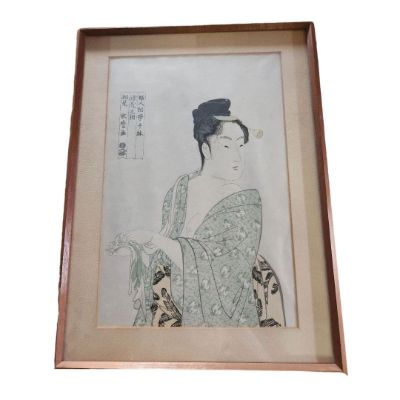
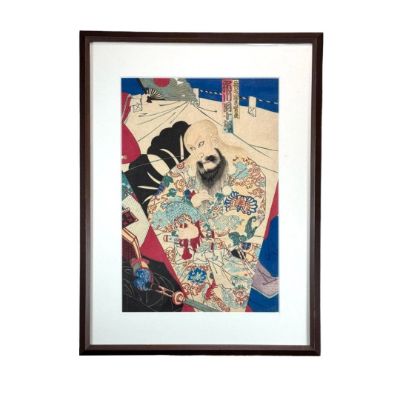
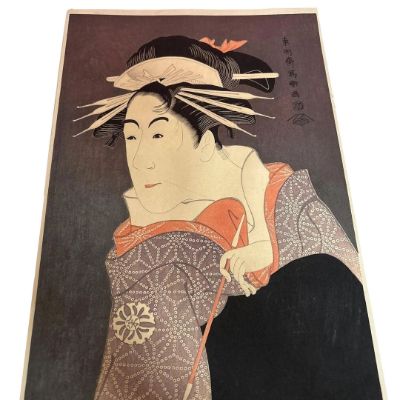
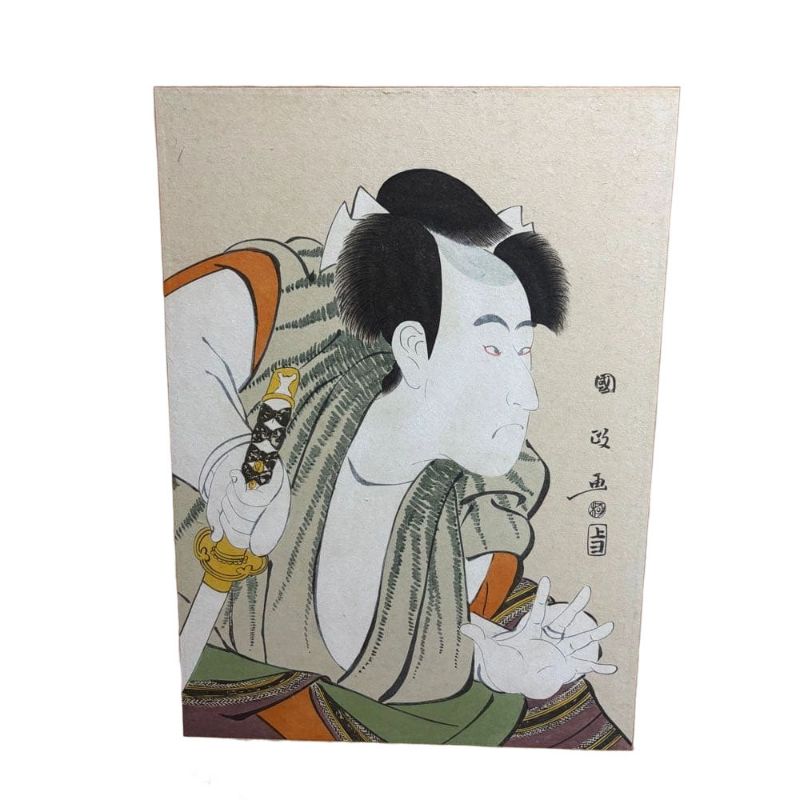
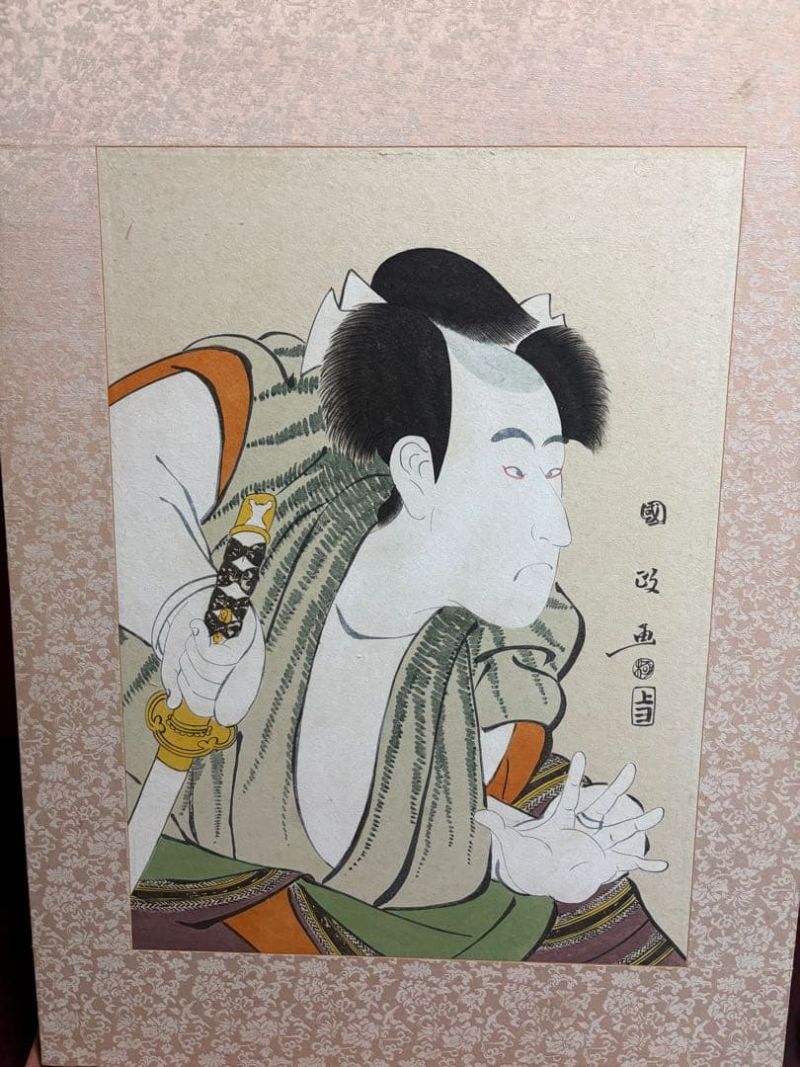
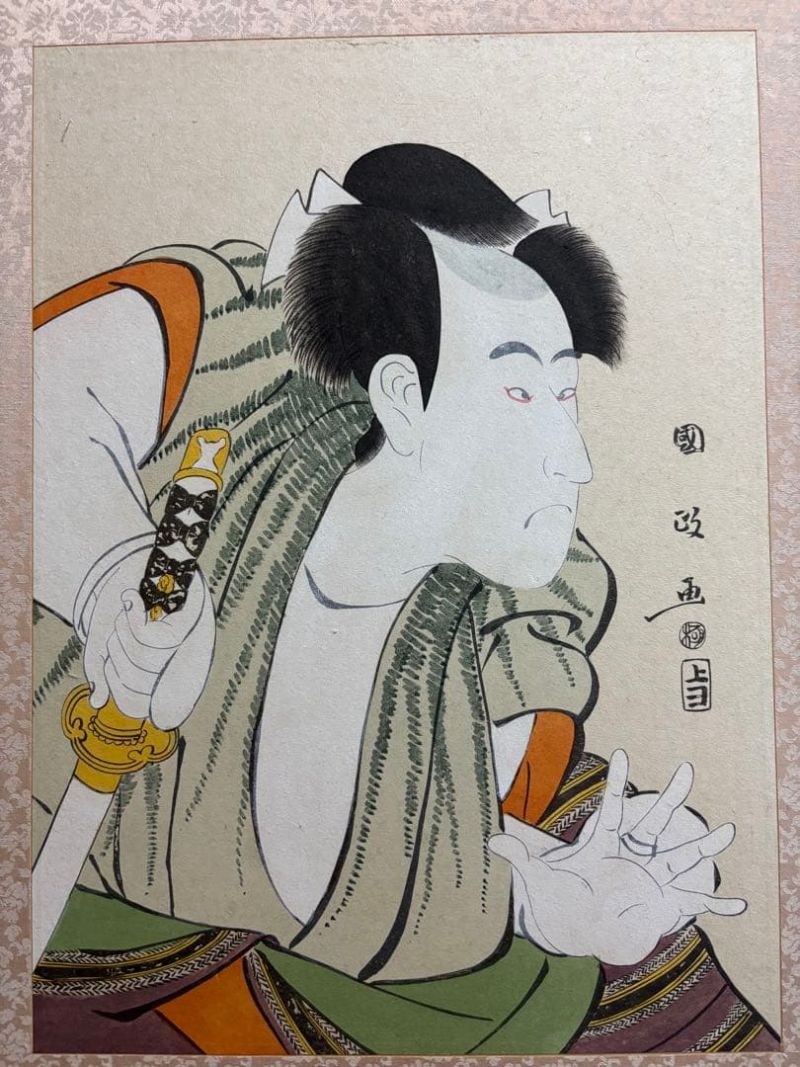
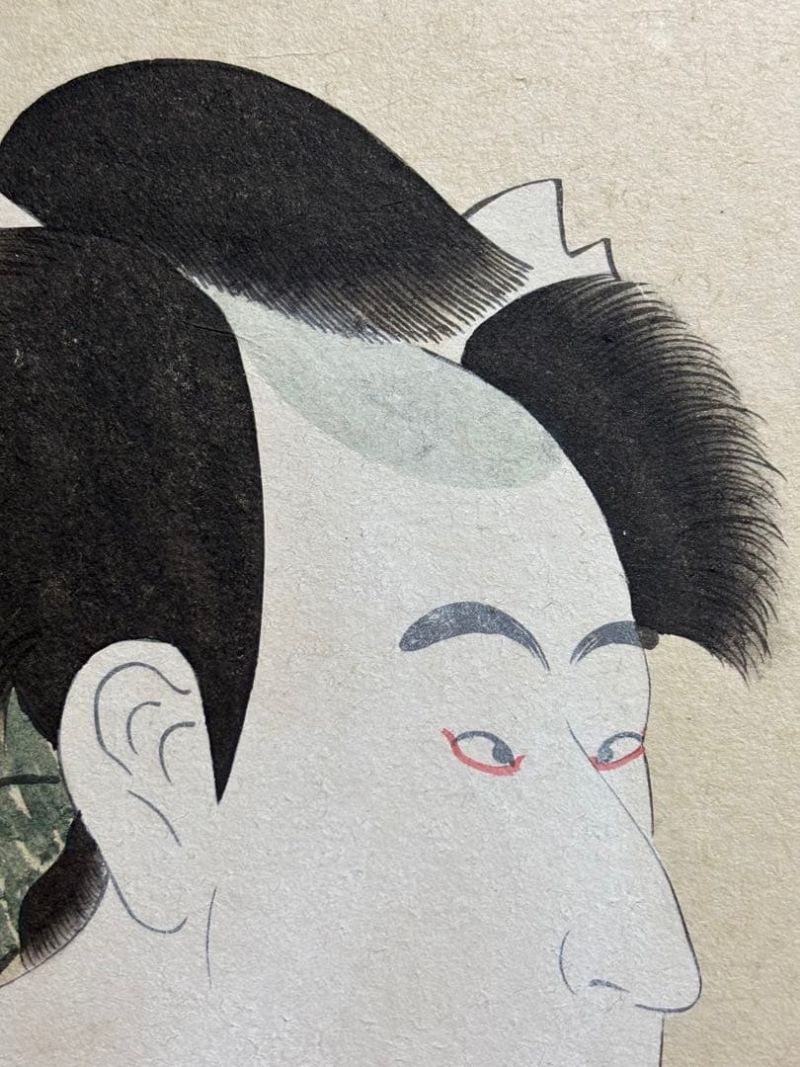
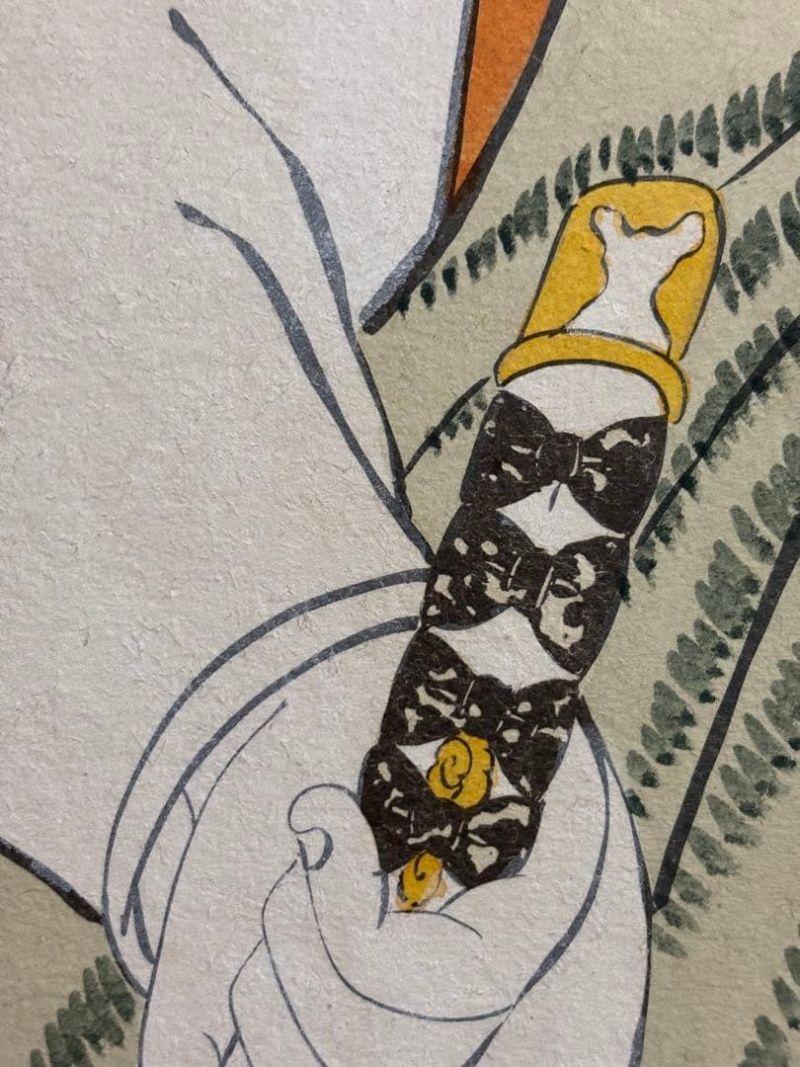
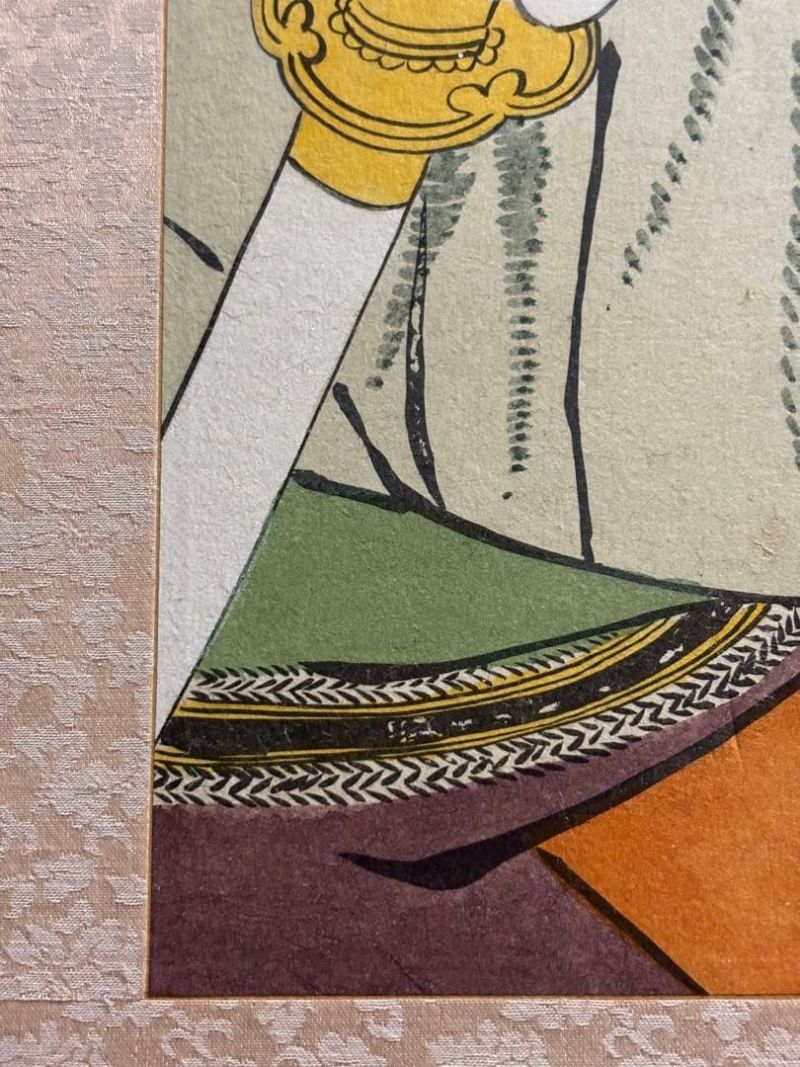
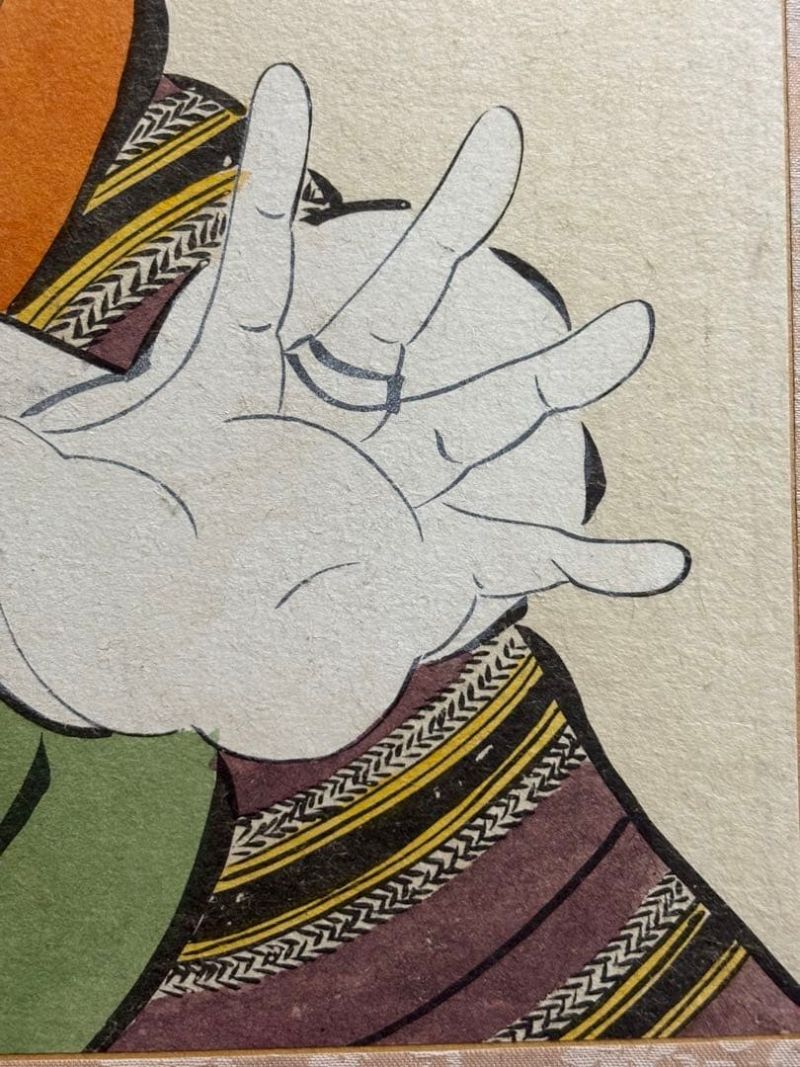
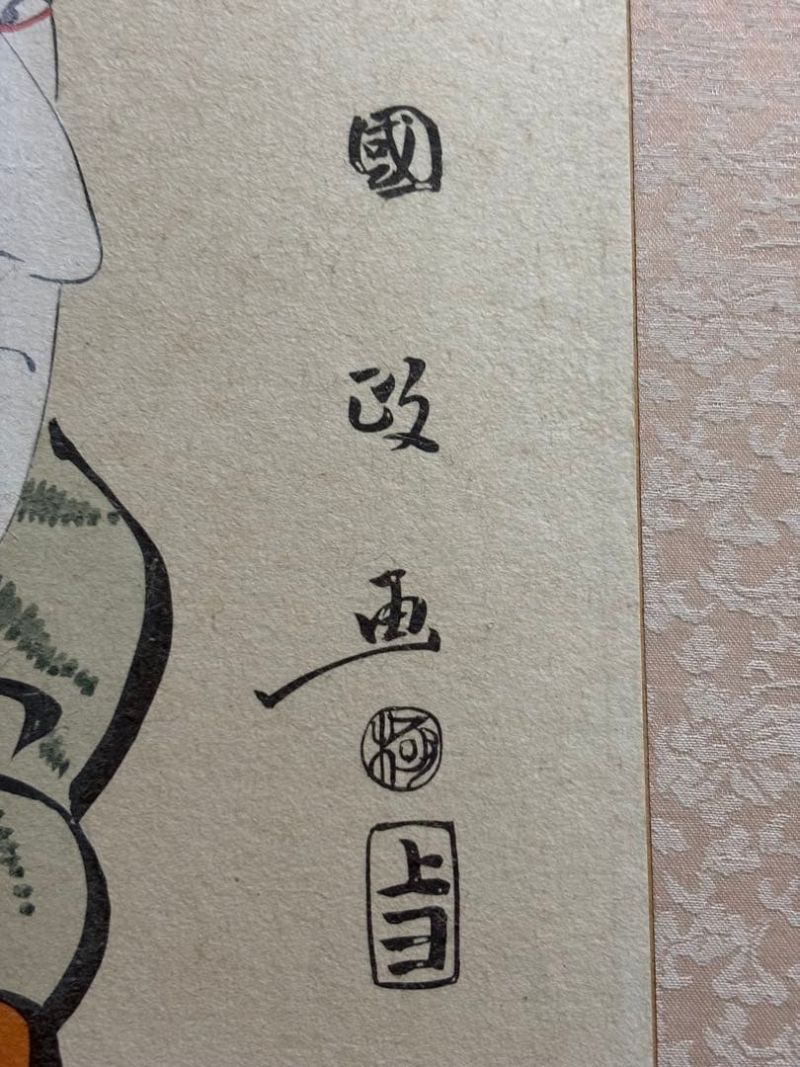
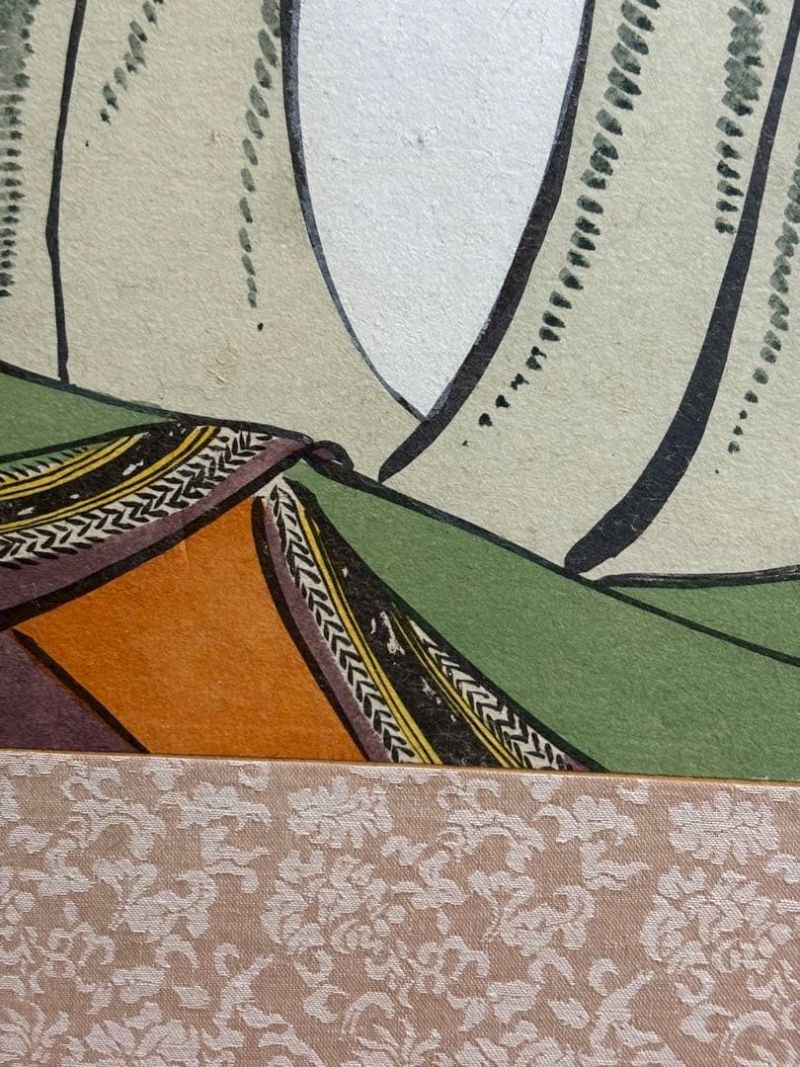
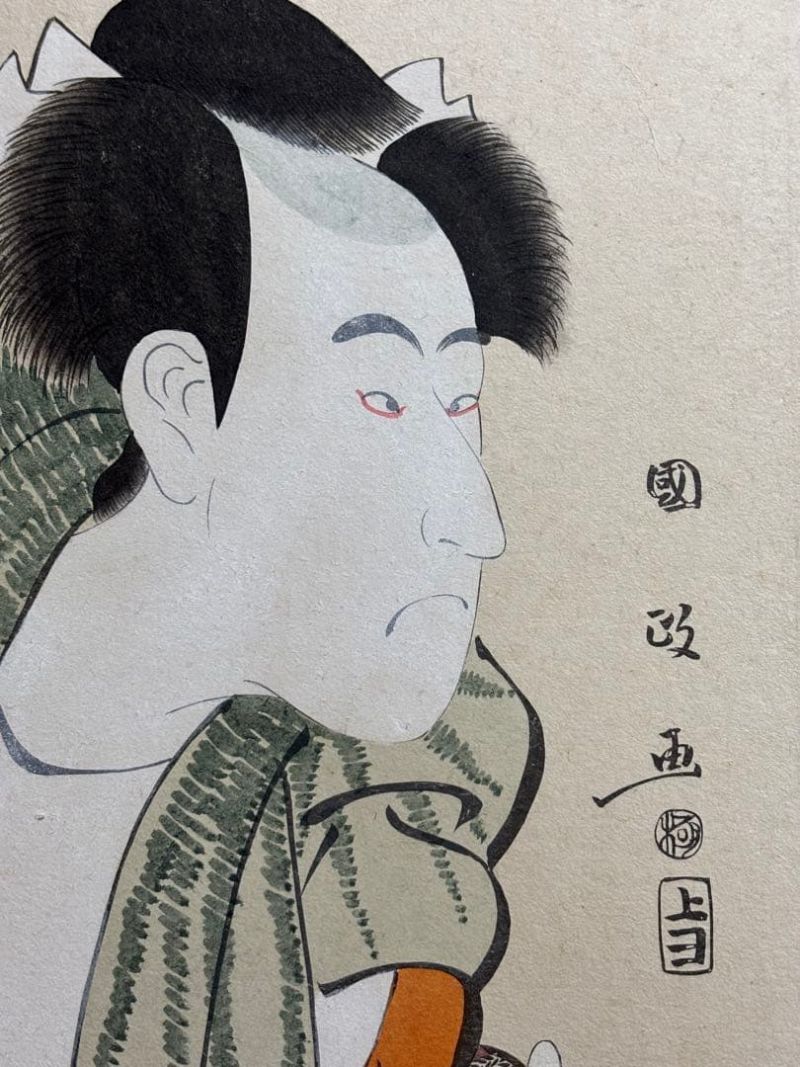
Utagawa Kunimasa, Ichikawa Danjuro. An okubi-e (large-head portrait) ukiyo-e woodblock print.
작품 정보
Utagawa Kunimasa, born Sato Jinsuke, used the artist name Ichijusai. He was born in Oku-Aizu, in present-day Fukushima Prefecture.
Initially employed as an indigo dyer, he developed a keen interest in kabuki and demonstrated a talent for actor portraiture. He subsequently became a pupil of Utagawa Toyokuni I and is traditionally regarded as one of Toyokuni's earliest students.
His earliest published work is generally considered to depict a theatrical performance staged in the eleventh month of Kansei 7 (1795). However, references in the kibyoshi (yellow-covered illustrated book) Mukashi ryori tanuki suimono (Old-Fashioned Cooking: Raccoon Dog Soup) indicate that his actor portraits were already well regarded, suggesting that his artistic career may have begun somewhat earlier. He resided at various times in Yoshicho, Horiecho, and Ichigaya Sanaizaka-ue. In his yakusha-e (actor prints), Kunimasa employed variations in the density and weight of line to delineate his subjects, combining flat areas of color to create a sense of three-dimensional form. These techniques reveal a strikingly modern approach to pictorial expression.
His artistic career lasted approximately ten years, although most of his works were published during the four-year period from Kansei 8 (1796) to Kansei 11 (1799). Despite the assertion in Zoho ukiyo-e ruiko (Expanded Miscellaneous Accounts of Ukiyo-e) that his talent could surpass that of his teacher, he withdrew from artistic production around Bunka 3 (1806) and turned to selling masks depicting kabuki actors. None of these masks is known to survive. He subsequently died at a relatively young age. Approximately 120 of his print designs survive. Particularly well known is Haiyu gakuya tsu (A Guide to Actors' Backstage Life), an illustrated theatrical book compiled by Shikitei Sanba and jointly illustrated by Kunimasa and his teacher Toyokuni in Kansei 11 (1799).
Kunimasa's range of subjects was narrower than that of Toyokuni. His output consisted predominantly of nishiki-e (full-color woodblock prints) depicting kabuki actors, with very few bijin-ga (pictures of beautiful women) or book illustrations. The quality of his work varies considerably, encompassing masterpieces that rank among the finest in the history of Japanese printmaking, as well as works that are ordinary or even technically immature. Nevertheless, the acute sensitivity evident in his okubi-e (large-head portraits) extends beyond the idealization of actors' features, revealing a penetrating insight rarely equaled by his contemporaries.
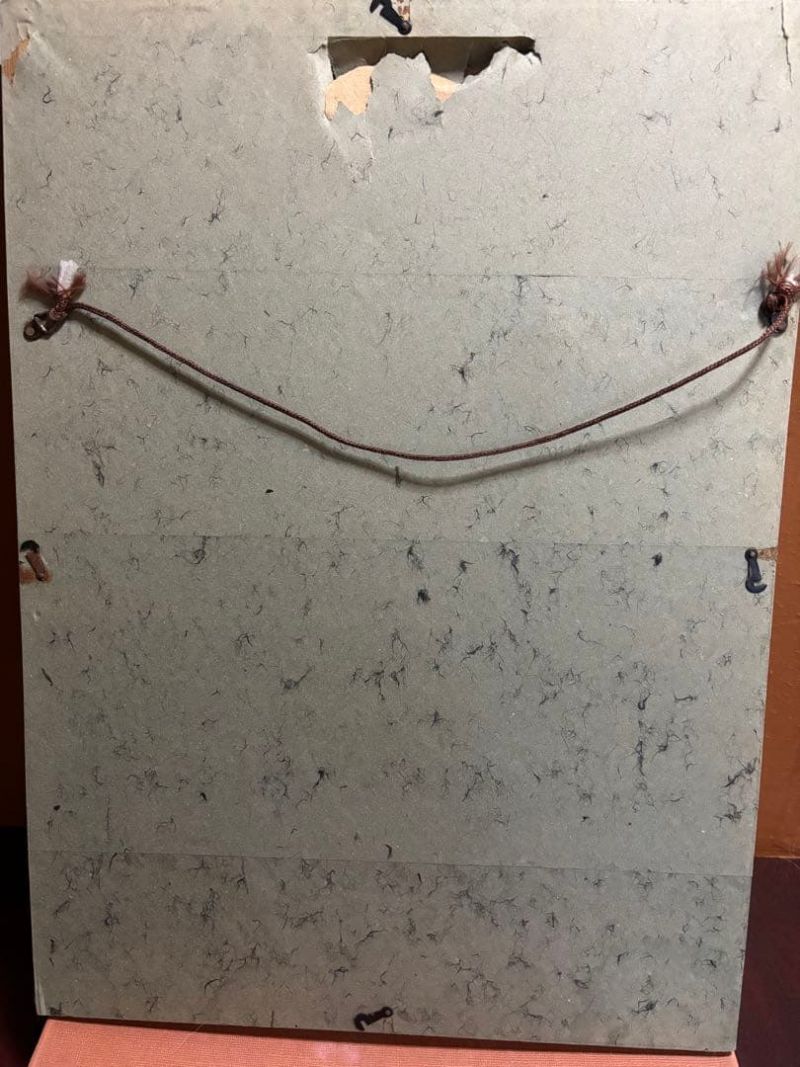
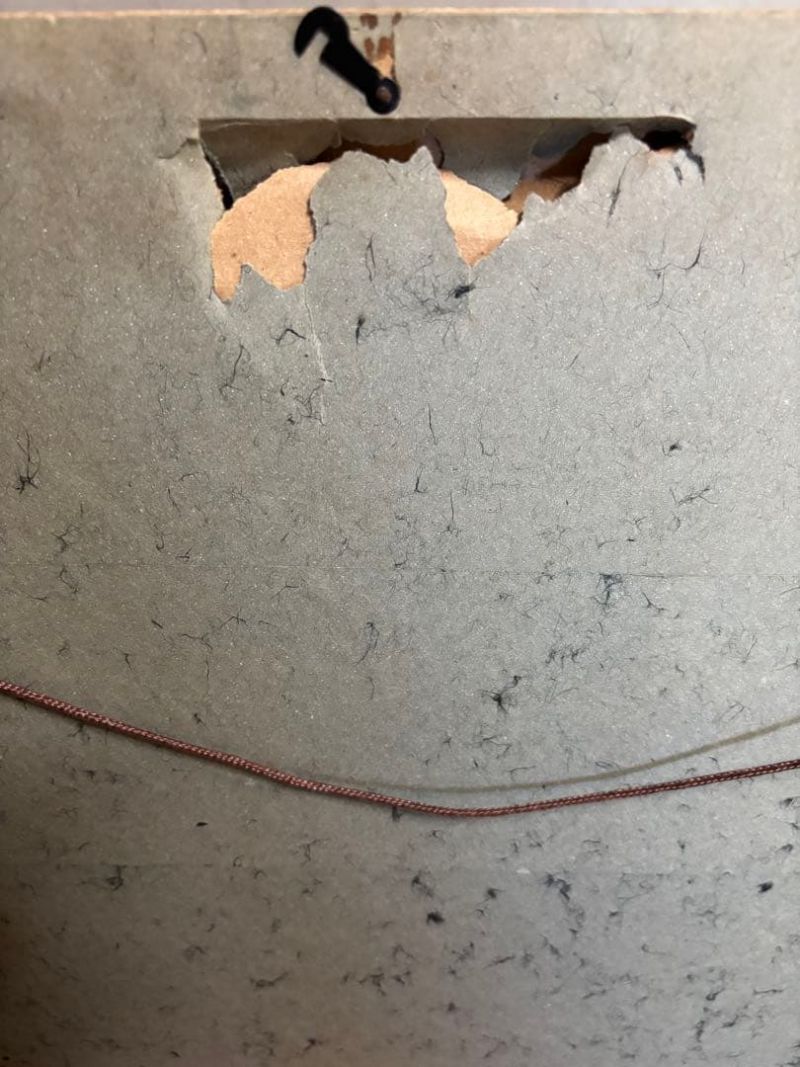
The mounting on the reverse is damaged; the work itself remains in excellent condition.
Dimensions: 43.6 cm high, 32.0 cm wide.
- 로트
- 303307
- 카테고리
- 아시아 골동품
- 구매 수수료
- 20%11월 1–30일 이벤트: 낙찰가 £500 초과 작품은 15% (입찰 사이트 약관 우선)
배송
작품 소재지: 일본 오사카
결제 후 7~10일 이내에 일본에서 발송됩니다. 배송비는 구매자 부담입니다.
결제
낙찰 후 청구서와 결제는 공식 입찰 플랫폼 bid.liveauction.jp에서 진행됩니다.
- 구매 수수료
- 20%11월 1–30일 이벤트: 낙찰가 £500 초과 작품은 15% (입찰 사이트 약관 우선)
경매 정보