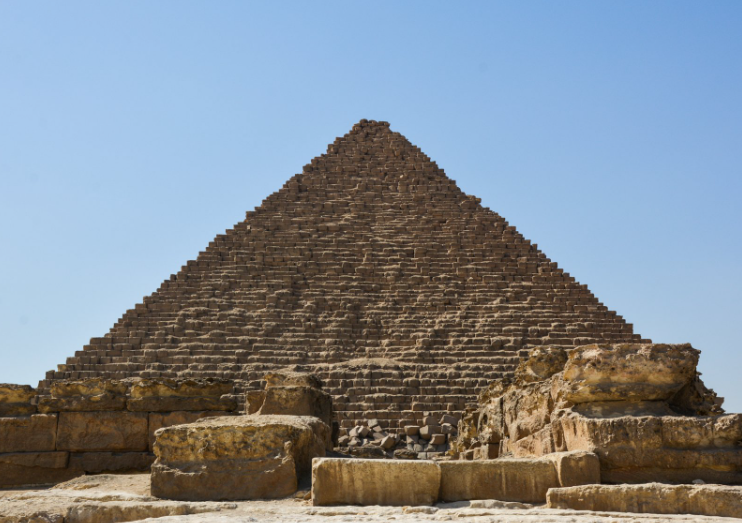
The pyramids: More than just tombs, they are the ladder to heaven for ancient Egyptian civilization.
Before going to Egypt, my understanding of the pyramids was the same as most people’s:…

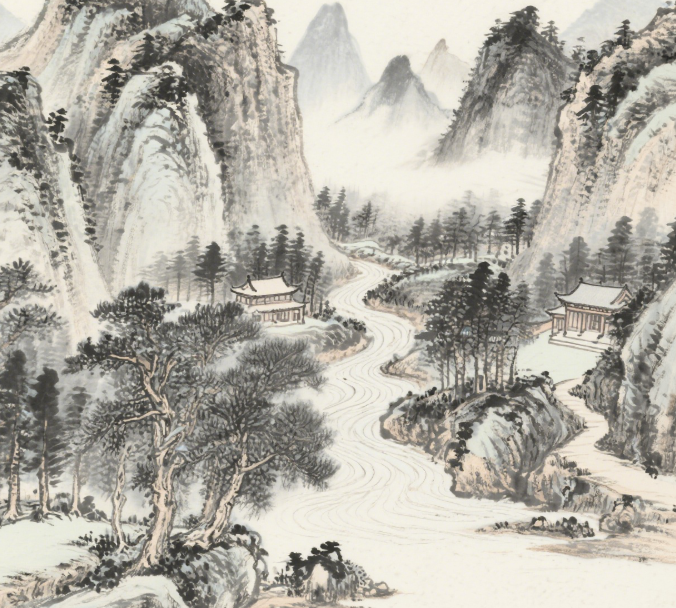
What spreads out on the desk is not mere paper, but mountains and rivers aged by time.
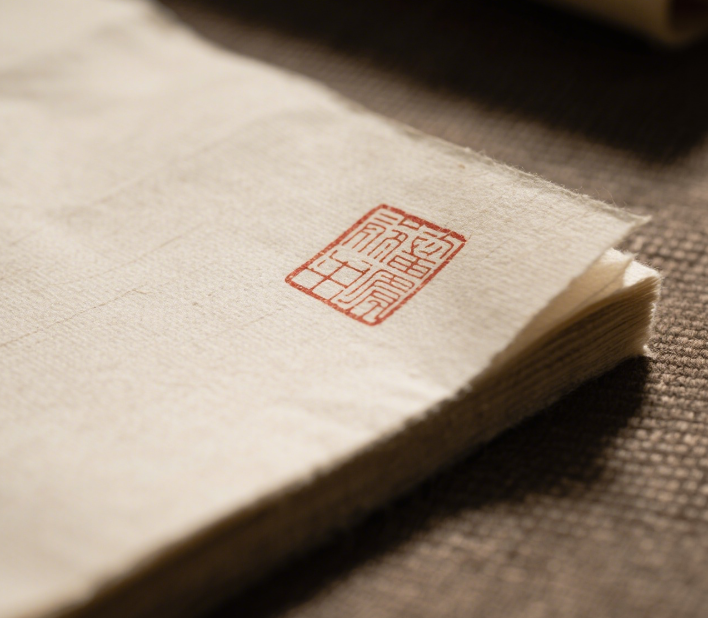
The batch of uncut xuan paper presented today dates back to the Qianlong period of the Qing Dynasty, a relic from an ancient workshop in southern Anhui. Made from sandalwood bark and sand-field rice straw, it was kneaded and processed through seventy-two procedures, then sun-dried for three hundred days. Its fibers still hold the mountain breezes and morning dew of that bygone era.
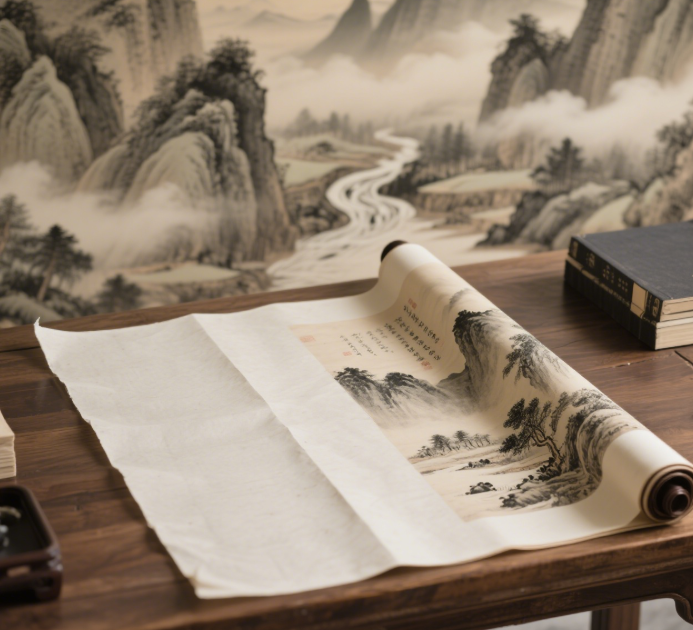
Never touched by ink, yet it comes closer to the origin of art than any ancient painting—Bada Shanren once sketched a lone bird on paper from the same batch; Zheng Banqiao splashed ink to paint bamboo and rocks on this very type of xuan. Even now, the delicate texture between its pages feels like touching the undisturbed misty waters of Jiangnan, or the untrodden cloud-cloaked cliffs of the Qinling Mountains.
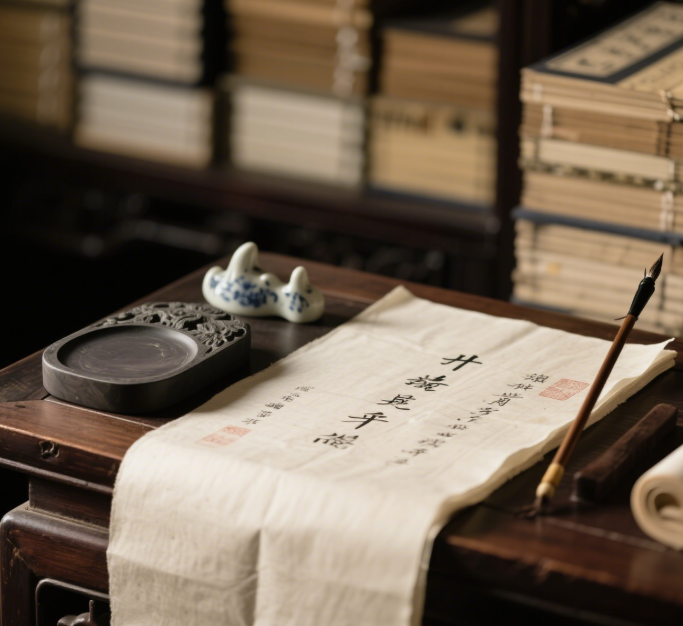
Three bundles, each containing a hundred sheets, all are four-foot single-layer xuan. A dark red workshop seal marks the corner, its faded ink hiding the warmth of a craftsman’s fingertips from a century ago. When cut, it makes a soft “rustle”—the sandalwood fibers conversing with time. When ink touches it, seven layers of gradation bloom, enough to carry the Fuchun Mountains in your heart or the nostalgia of Chibi.
This is no ordinary stationery, but unpolished jade waiting to be awakened, a blank canvas left for the present age. The moment the brush first touches it, the mountains and rivers of a thousand years ago will be reborn beneath your wrist.